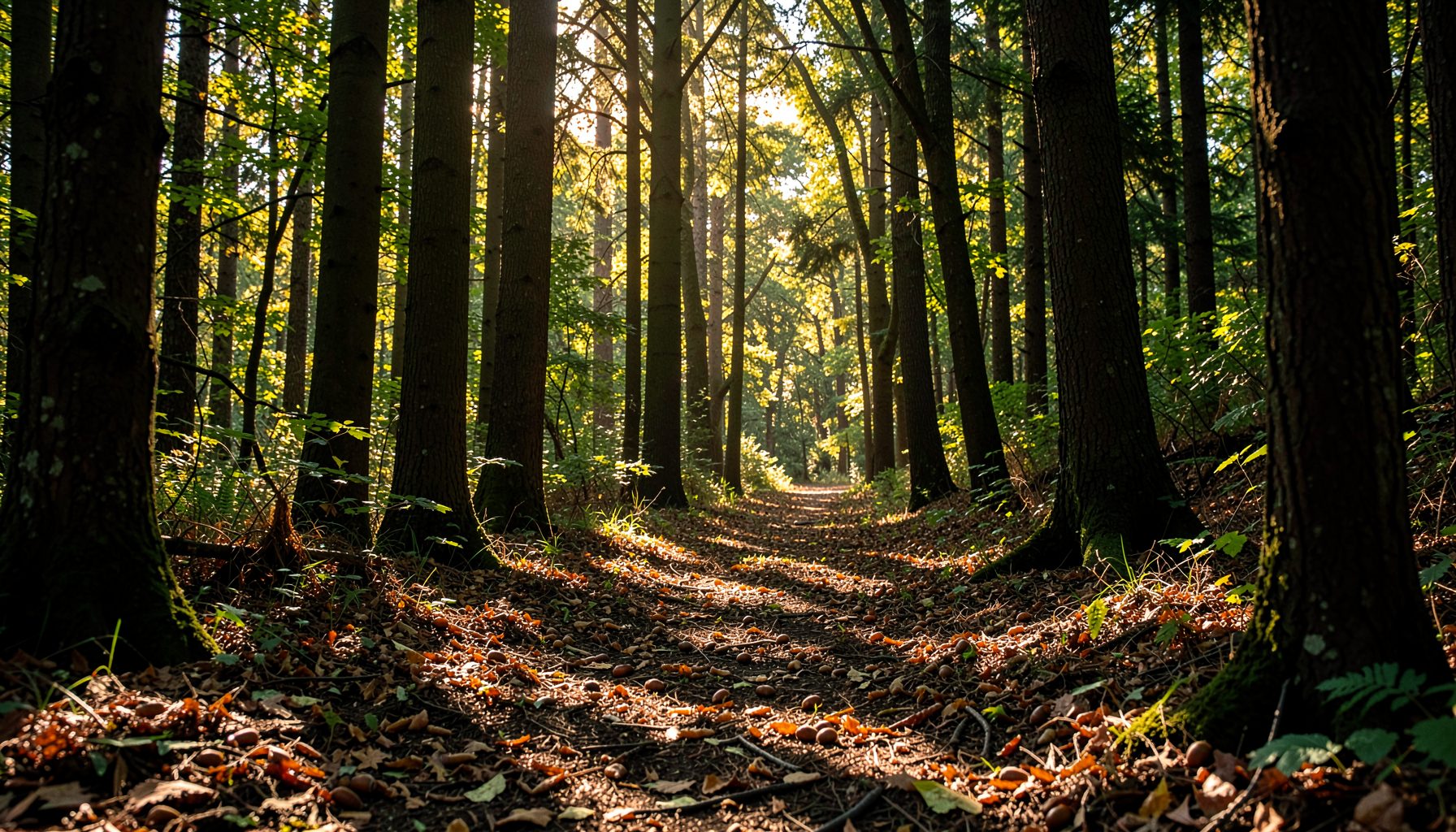
Collecting native seeds along the Potomac River watershed can take volunteers to productive but uneven places. Mature hardwoods often grow beside streams,…
Posts
Volunteer Safety Tips For Steep Stream Banks
How to identify a black gum tree by leaves and fruit
Black gum (Nyssa sylvatica), also called black tupelo, sour gum, or pepperidge, is a native eastern North American tree valued for its wildlife habitat,…
Why Creekside Trees Matter for Fish Habitat
A healthy stream is shaped by everything growing along its banks. Trees beside creeks form a living boundary between land and water, influencing temperature,…
How to Teach Kids to Collect Seeds Responsibly
Collecting seeds can turn an ordinary walk through a park, schoolyard, or streamside forest into a lesson about where trees come from and how ecosystems renew…
What to do when you find a rare or endangered tree seed
Finding an unfamiliar seed beneath a mature tree can feel like discovering a small piece of forest history. Its unusual shape, color, or location may suggest…
The Hidden Impact Of Road Salt On Watershed Trees
Each winter, road salt helps keep highways, bridges, sidewalks, and parking areas passable. Its immediate benefit is easy to see: fewer icy surfaces and safer…
How to Partner With a Local Arboretum for Seed Events
A local arboretum can turn native seed collection into a well-organized community event. Its living collections, horticultural staff, classrooms, and public…
Choosing the Right Seedling Age for Streamside Forests
Streamside planting succeeds when young trees are matched to the conditions they will face after leaving the nursery. Age matters, but it is only one part of…
How to identify a bitternut hickory in the field
Bitternut hickory (Carya cordiformis) is a native hardwood of eastern North America, often found along rivers, wet woods, floodplains, and fertile forest…
A Crash Course in Forest Ecology for New Volunteers
A forest is more than a collection of trees. It is a living network of plants, animals, fungi, soil organisms, water, sunlight, and seasonal processes. Each…