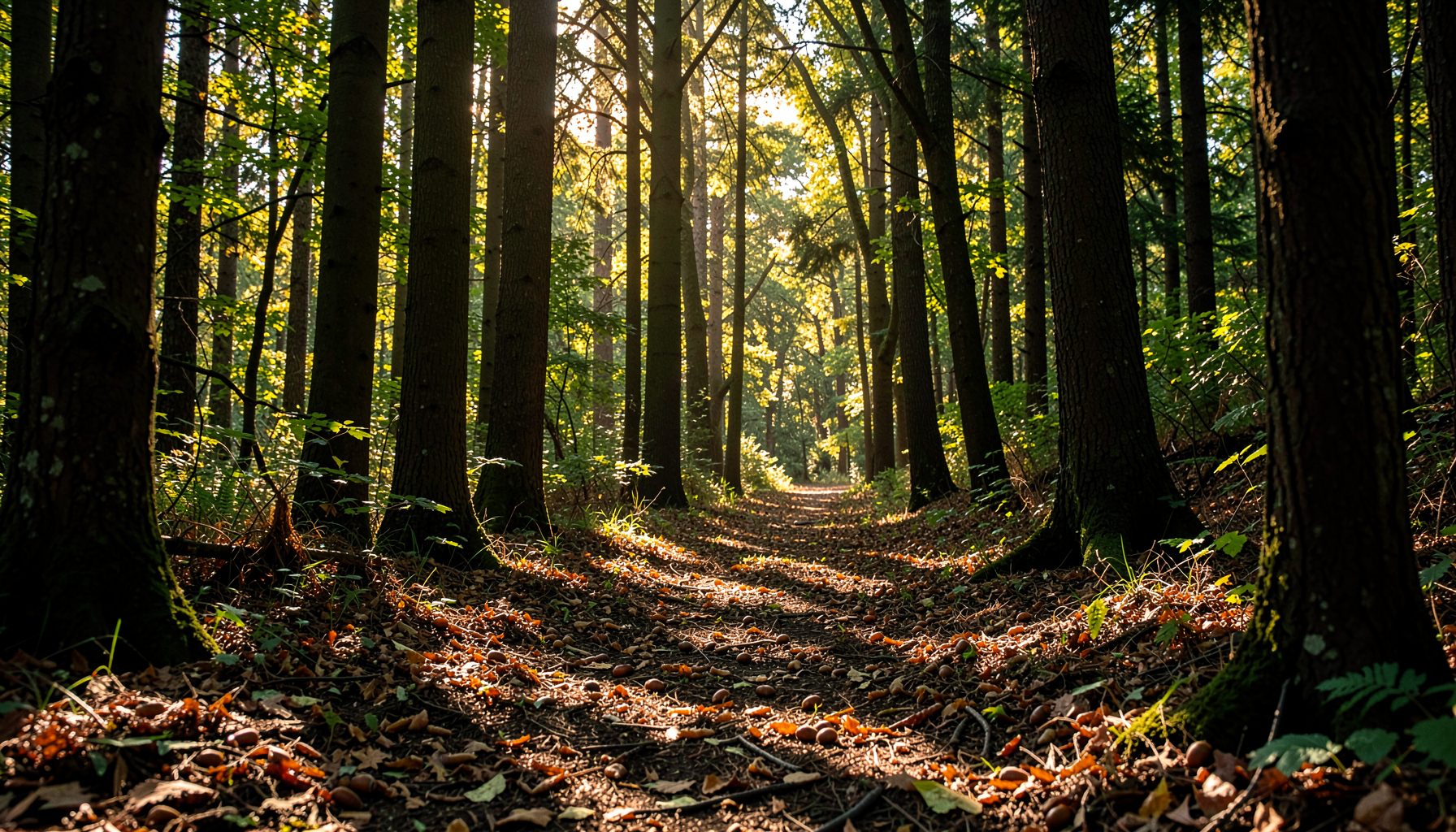
Healthy waterways depend on what happens beyond the water’s edge. When rain falls on bare soil, compacted ground or a poorly vegetated streambank, it can carry…
Posts
Why Seed Collection Volunteers Help Reduce Erosion in Watersheds
How to Create a Seed Wish List for Partner State Nurseries
A seed wish list turns a broad collection effort into a practical restoration plan. Rather than gathering whatever is easiest to find, volunteers can focus on…
Choosing Native Oaks For Streamside Restoration
Healthy stream corridors depend on trees that can tolerate changing water levels, hold soil in place and provide food and shelter for wildlife. In the Potomac…
How to identify an American beech by bark and beechnuts
The American beech (Fagus grandifolia) is one of the easiest mature woodland trees to recognise once its key features become familiar. Its most distinctive…
How Too Many Deer Reduce Native Seed Production
Native forests depend on a quiet chain of events: mature plants flower, produce viable seed, disperse it, and establish new seedlings. When deer numbers rise…
How to Build a Temporary Seed Sorting Station in a Parking Lot
A parking lot can become a practical field base for sorting acorns, walnuts, pods and other native seed, provided the setup is clean, shaded and easy to pack…
Reading fallen leaves to forecast a strong seed crop
A carpet of fallen leaves can reveal much more than the changing season. Beneath a mature tree, leaf litter records the condition of the canopy, the timing of…
How to Use Laminated Tree ID Cards During Outdoor Events
Outdoor events turn tree identification into a shared, practical experience. A small group may begin by comparing leaf shapes, while children look for bark…
Reforestation and local climate resilience
Climate resilience is often discussed through large-scale infrastructure, emergency planning and emissions reduction. Yet some of the most effective protection…
How to Identify a Sassafras Tree by Its Mitten-Shaped Leaves
Sassafras is a deciduous tree of eastern North America, valued for its unusual foliage, spicy fragrance and role in woodland ecology. Its leaves may look like…