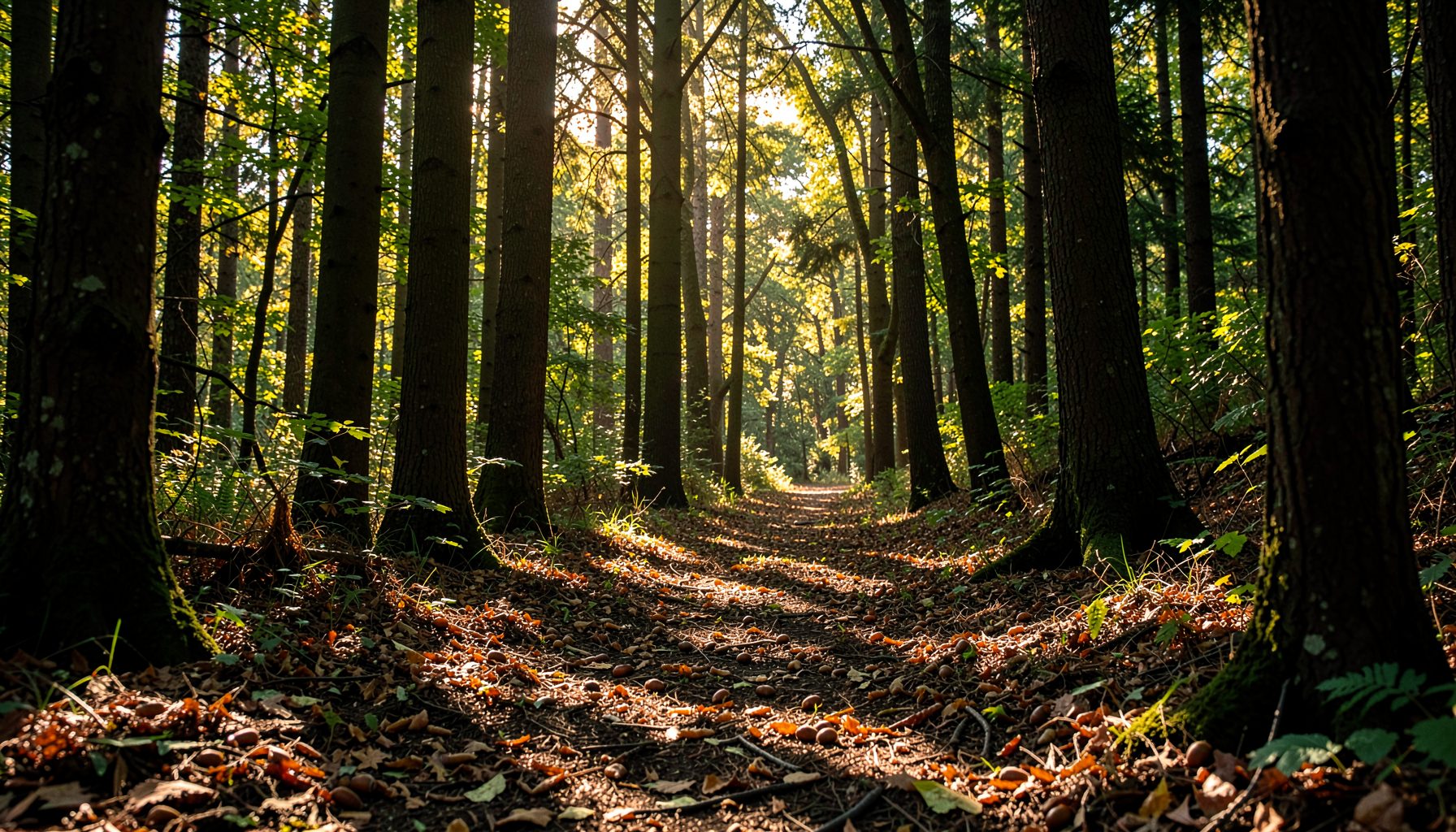
A forest is more than a collection of trees. It is a living network in which leaves feed caterpillars, flowers support pollinators, seeds nourish birds and…
Posts
How Native Trees Sustain Local Food Webs
How to Identify Black Cherry in the Field
Black cherry (Prunus serotina) is one of the most widespread native cherry trees in eastern North America. It grows in forests, woodland edges, old fields,…
When To Collect American Sycamore Seeds
American sycamores are among the most recognizable trees along the Potomac River and its tributaries. Their mottled bark, broad leaves, and round seed balls…
How to lead an accessible seed collection walk
A seed collection walk can connect people with local forests while producing planting material for healthier streams and woodland habitats. For seniors and…
How Air Pollution Shapes Acorn Production in Urban Forests
Oak trees are among the most important native species in the Potomac River watershed. Their acorns feed wildlife, support forest regeneration, and eventually…
Build a Habitat Corridor From Locally Collected Seeds
A habitat corridor connects isolated patches of woodland, streamside vegetation, and shrub cover so wildlife can move, feed, shelter, and reproduce across a…
The Benefits of Collecting Seeds from Native Shrubs Like Viburnum
Healthy forests begin with a surprising amount of patience. Before a seedling can stabilize a streambank, shade a headwater creek, or provide cover for…
How to use a dichotomous key for tree identification
A dichotomous key is a step-by-step guide that helps you identify an unfamiliar tree by comparing visible characteristics. At each stage, it presents two…
How Volunteers Track Seedling Survival Across the Watershed
A seed collected in a forest, nursery-grown into a young tree, and planted beside a stream represents a long-term investment in the Potomac River watershed.…
How to Identify a Swamp White Oak by Its Leaves and Acorns
Swamp white oak, Quercus bicolor, is a native hardwood of wet forests, floodplains, stream corridors, and poorly drained lowlands. Its name points to two…