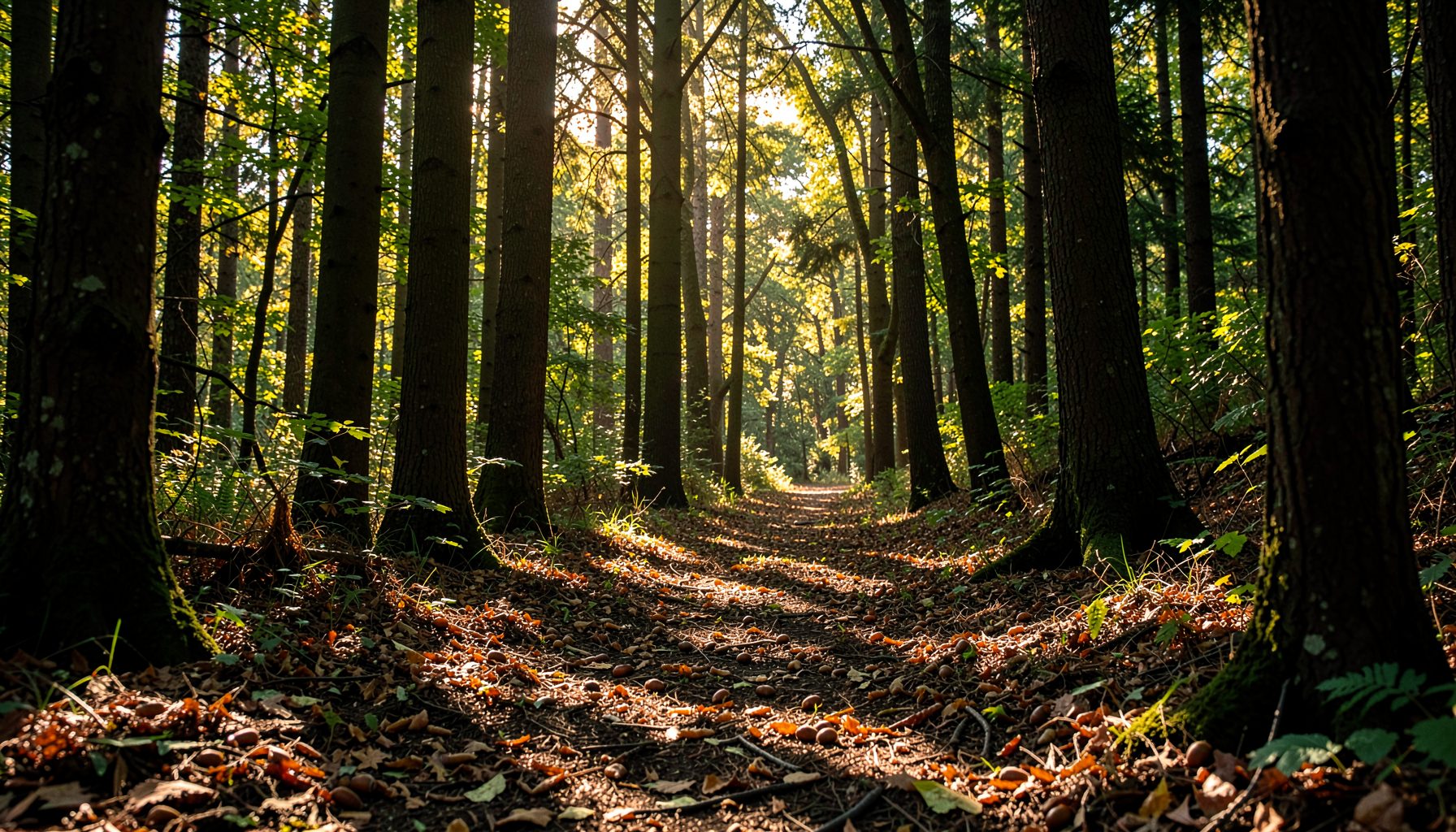
A seed can appear lifeless through the coldest months while undergoing a carefully timed biological process. For many native trees and shrubs, winter is not an…
Posts
How winter prepares native seeds for spring growth
How Native Hardwoods Filter Stormwater Runoff
Rain does more than fall onto a forest. It lands on leaves, branches, bark, moss, and soil before reaching a stream. Each surface delays water, changes its…
Mapping the Potomac’s Most Depleted Riparian Zones
A healthy riparian zone is more than a strip of trees beside a river. It is a living transition between land and water, where roots stabilize soil, branches…
A beginner’s guide to hosting a seed collection event
A seed collection event turns a walk through a park, schoolyard, neighborhood, or woodland edge into practical conservation work. By gathering mature seeds…
From forest floor to future streamside tree
An acorn or walnut gathered during a Growing Native volunteer event may look like a small, ordinary piece of woodland debris. At a state nursery, however, it…
Five Native Trees That Shape the Potomac Watershed
A walk through the Potomac River watershed can reveal much about forest health. The trees along a streambank, on a wooded slope, or beside a farm field each…
Native shrubs and stronger riverbanks
Riverbanks are living boundaries between land and flowing water. They must absorb changing water levels, withstand storms, hold soil during high flows, and…
Black walnuts and butternuts: a practical field guide
Black walnut and butternut trees belong to the same walnut family, so they can look remarkably similar at first glance. Both produce compound leaves, aromatic…
A Day Collecting Walnuts Along the Rappahannock
Before sunrise, the Rappahannock River corridor is quiet except for water moving over gravel, wind passing through branches, and the occasional call of a bird.…
Why Streamside Forests Are Critical for Erosion Control
Along the banks of rivers, creeks, and small drainage channels, trees and shrubs form a living barrier between moving water and vulnerable soil. These…