Welcome to Growing Native
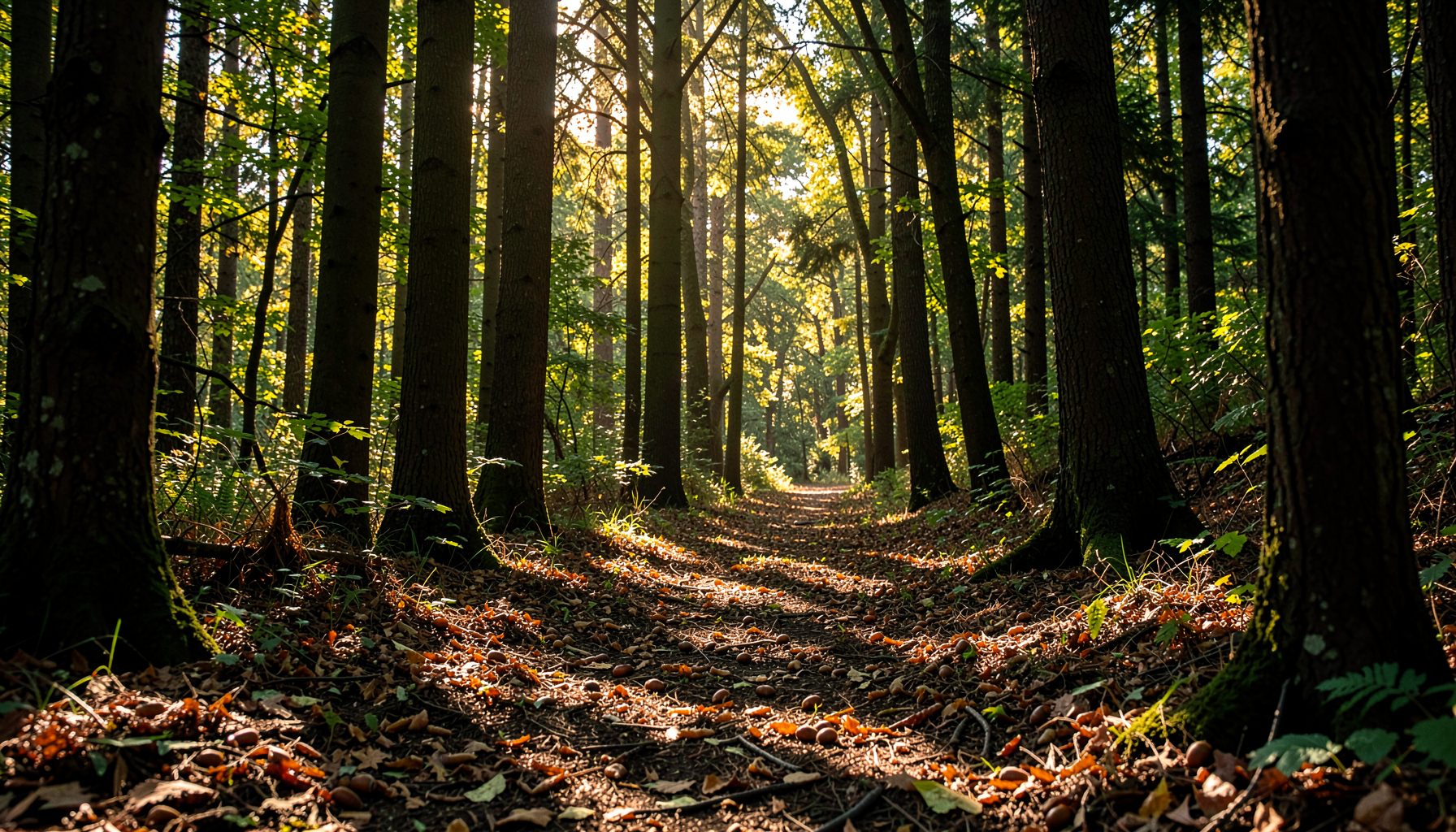
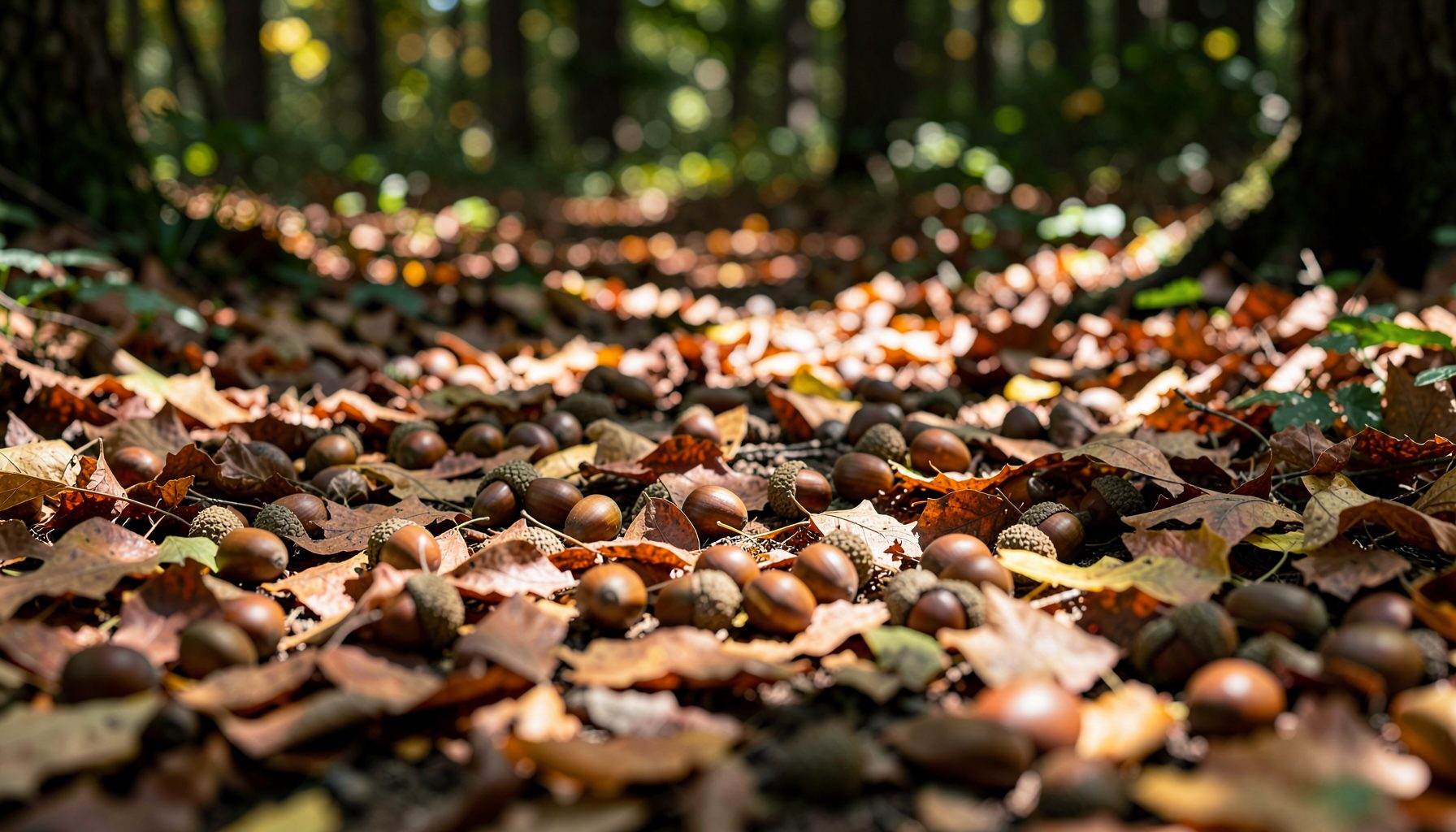
Growing Native engages volunteers of all ages and backgrounds across the Potomac River region to collect native hardwood and shrub seeds each fall. Seeds — including acorns and walnuts — are donated to state nurseries in Maryland, Pennsylvania, Virginia, and West Virginia, where they are grown into seedlings and planted along streams throughout the 15,000-square-mile watershed. Since 2001, nearly 56,000 volunteers in four states and the District of Columbia have collected more than 164,000 pounds of seed. Spot a flash of scarlet along a stream bank this fall? Learn to tell a red maple apart from its winged seeds and brilliant autumn colour in our latest guide How to Identify a Red Maple by Its Winged Seeds and Autumn Colour.
Volunteer
Individuals, families, community groups, and schools can participate as seed collectors, ambassadors, or drop-off site coordinators. Every contribution helps restore the watershed.
How to Collect
Learn to identify native hardwoods like oaks and walnuts, gather seeds from approved locations, and deliver them to state nurseries. State-specific species lists are available.
Education
Teachers and scout leaders can access lesson plans, games, tree ID materials, the Growing Native Education Guide, and grow-out station resources for classroom and community projects.
Get Involved
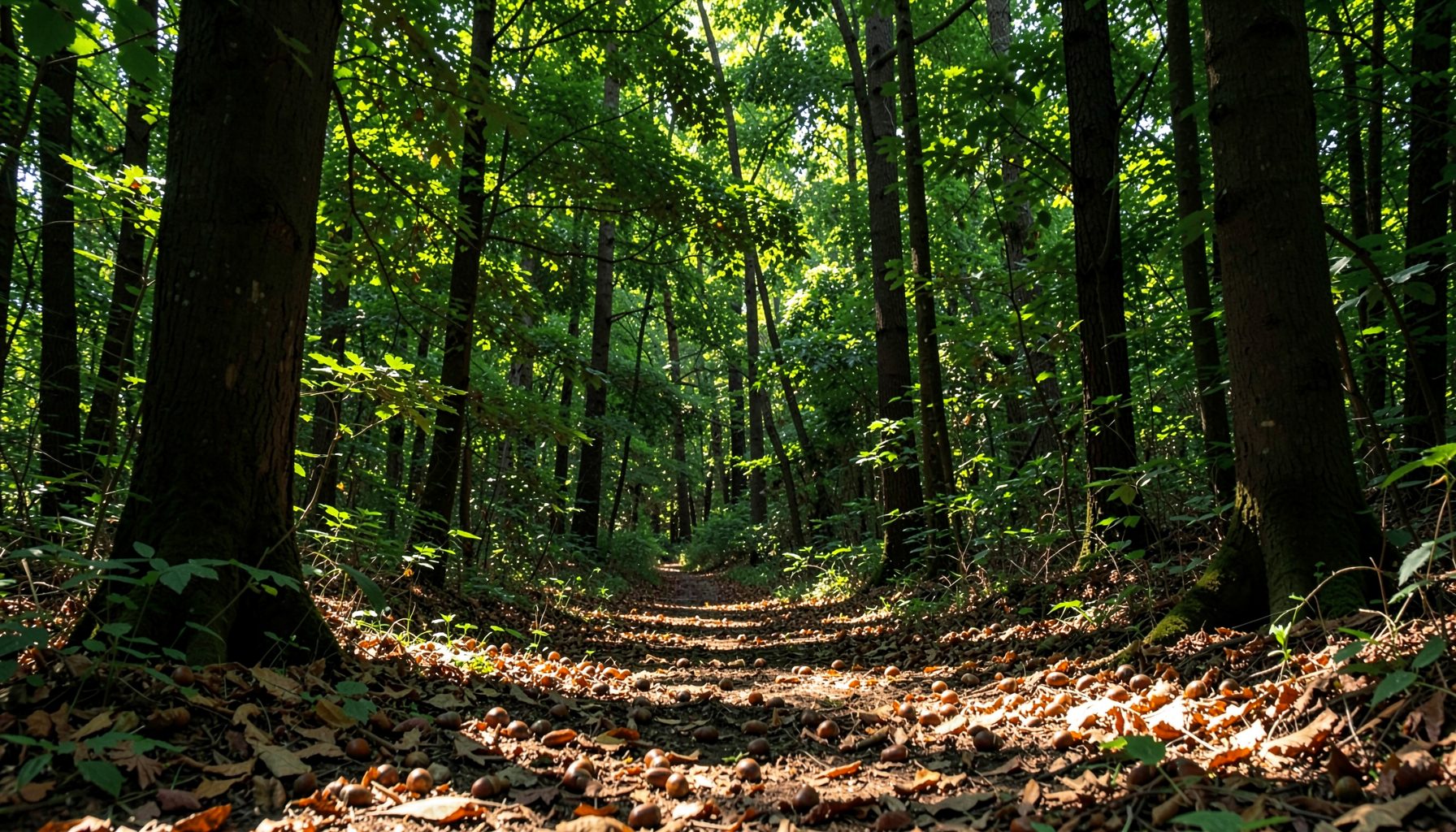
Growing Native is made possible by the efforts of volunteers and partners throughout the Potomac River watershed. Whether you collect seeds in your backyard, organize a community group, or serve as a drop-off site coordinator, your work helps build healthy forests and clean water for everyone downstream.
For more information, contact coordinator@growingnative.org.
Growing Native brings together people from across the Potomac River region with a shared purpose: restoring the health of forests and waterways. Each autumn, volunteers fan out into parks, neighborhoods, and public lands to collect seeds from native hardwood trees and shrubs. These seeds, including acorns and walnuts, represent the genetic heritage of the region's woodlands and serve as the foundation for future forests. The collection season runs through October, offering a narrow but meaningful window when the forest is ready to share its next generation. Every seed gathered is a small act of stewardship that contributes to a much larger restoration effort. Discover how deep-rooted trees strengthen our landscapes against drought and support healthier waterways. Deep-rooted trees offer a stronger path through drought
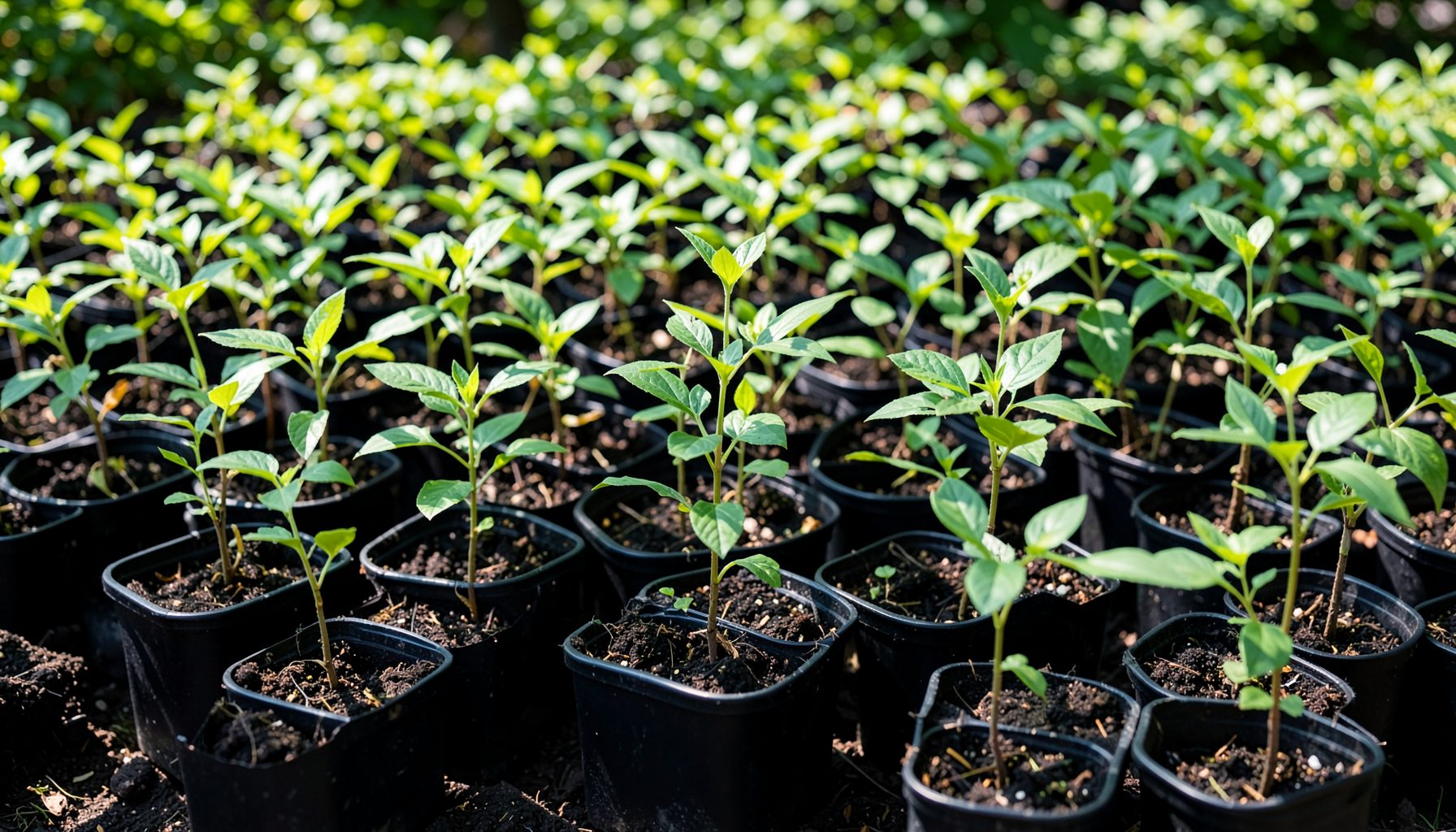
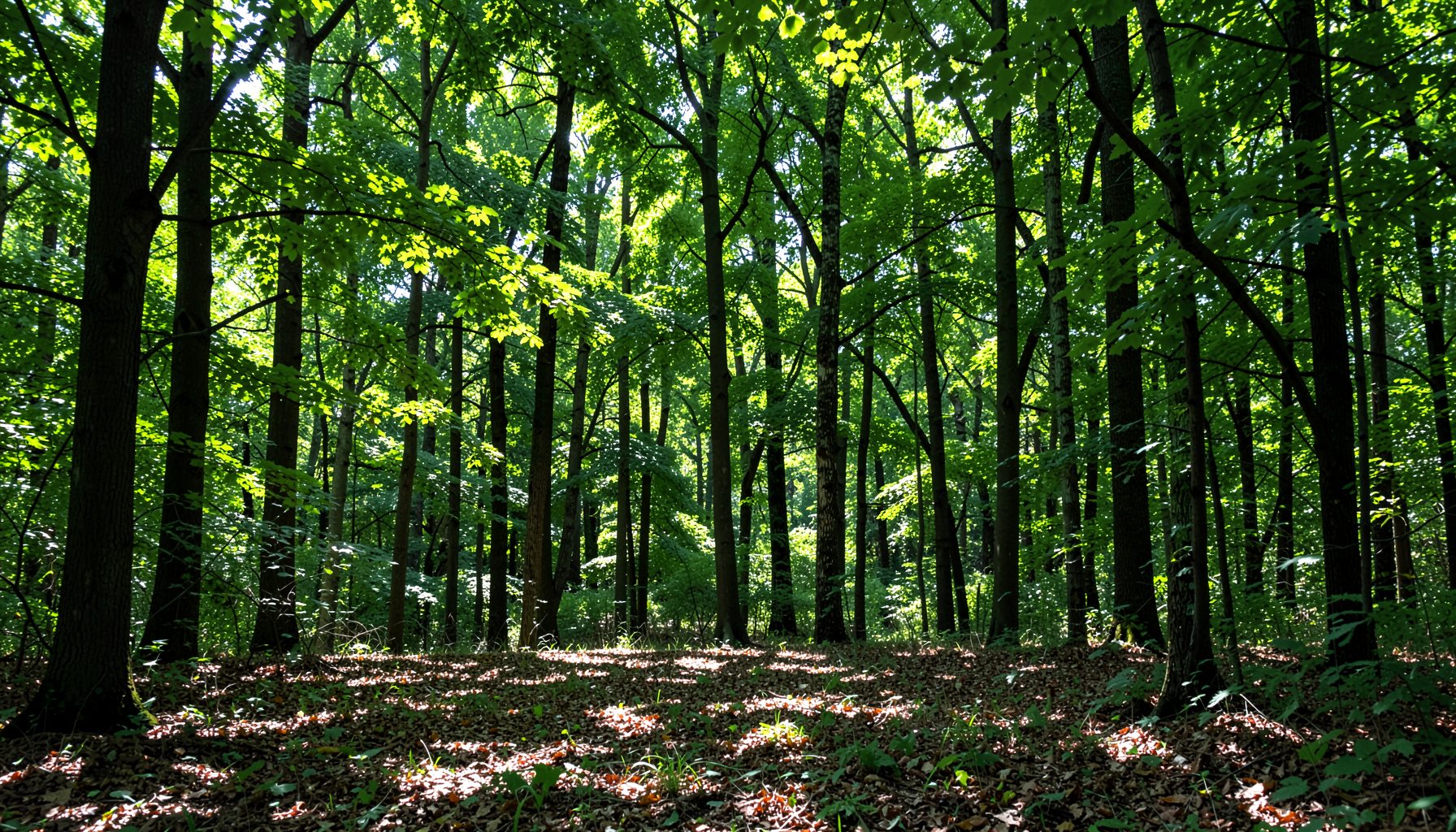
The seeds collected by Growing Native volunteers are donated to state nurseries in Maryland, Pennsylvania, Virginia, and West Virginia. There, trained staff grow the seeds into healthy seedlings suited to the local climate and soil conditions. Once mature, these young trees are planted along streams throughout the 15,000-square-mile watershed. This process restores streamside forests that filter runoff, stabilize banks, and provide shade that keeps water temperatures cool for fish and other aquatic life. By connecting collection to planting, the program creates a complete cycle of care, from a single acorn in a volunteer's hand to a thriving tree standing beside a river.
Volunteers are the heart of Growing Native. Individuals, families, community groups, and schools all find meaningful ways to participate in the seed collection effort. The program is designed to be accessible, welcoming people of every age and background to take part in hands-on conservation work. Whether a first-time collector or a seasoned participant, every volunteer contributes to a growing legacy of environmental stewardship. The shared experience of gathering seeds in the crisp autumn air builds community bonds while giving participants a tangible connection to the natural world and the health of the rivers and forests they call home.
Growing Native offers a range of volunteer opportunities throughout the collection season. Drop-in seed collection sites are set up at convenient public locations, allowing volunteers to stop by and contribute seeds at their own pace. Kiosks provide instructions and materials, making it easy for newcomers to understand what to collect and how. For those who prefer a more structured experience, coordinators organize group collection events at select sites across the region. Workplace volunteering options allow companies and organizations to bring teams together for a shared day of service, strengthening employee engagement while supporting the health of the local watershed.
Educational resources are a cornerstone of the Growing Native experience. The program provides curriculum materials and learning games that help schools integrate seed collection into their classrooms and outdoor learning. Students learn about tree species identification, forest ecology, and the importance of healthy watersheds while participating in real conservation work. Webinars and informational videos offer deeper learning opportunities for volunteers and the general public alike. An ambassador program trains dedicated volunteers to share the mission with their communities, expanding the reach of the project and inspiring others to get involved in protecting the region's natural resources.
The impact of Growing Native reaches far beyond the seeds themselves. Since the project began in 2001, tens of thousands of volunteers have devoted their time to collecting seeds, and the resulting seedlings have been planted throughout the Potomac watershed. This effort has restored streamside forests across thousands of acres, improving water quality and wildlife habitat for generations to come. The program demonstrates that collective, community-driven action can produce meaningful environmental change. What began as a simple idea, gathering seeds from local forests, has grown into a regional movement that engages people across state lines in a shared mission of restoration and care.
Getting involved with Growing Native is straightforward and rewarding. Volunteers can register for the program online and receive information about collection locations, seasonal timing, and what materials they will need. Collection bags and tags are provided at participating sites, so volunteers can simply arrive and begin working. The project publishes reports and updates that keep participants informed about the season's progress and overall impact. Those with questions can reach out to the program team, who are happy to help new volunteers get started. Whether you have an hour or an entire weekend to give, there is a place for you in this effort.
The Growing Native website serves as a central hub for information about the project. Visitors can learn about the science behind seed collection, explore FAQs, and access publications that document the program's achievements over the years. Press materials and links provide additional context for journalists and community partners. The site also includes information about privacy policies, refund policies, and copyright, ensuring transparency in how the organization operates. By making this information freely available, Growing Native invites the public to understand the full scope of the work and to see how their participation contributes to measurable improvements in the health of the Potomac River watershed.
Growing Native embodies a simple yet powerful idea: that ordinary people, working together, can protect and restore the natural world around them. The program engages thousands of volunteers each year, connecting urban and rural communities across four states and the District of Columbia. The collected seeds represent hope for the future, a promise that the forests which sustain the region will continue to thrive. As the project looks ahead, it continues to expand its reach, welcoming new volunteers and exploring new ways to educate and inspire. Every seed collected is a vote of confidence in the resilience of nature and the generosity of community.