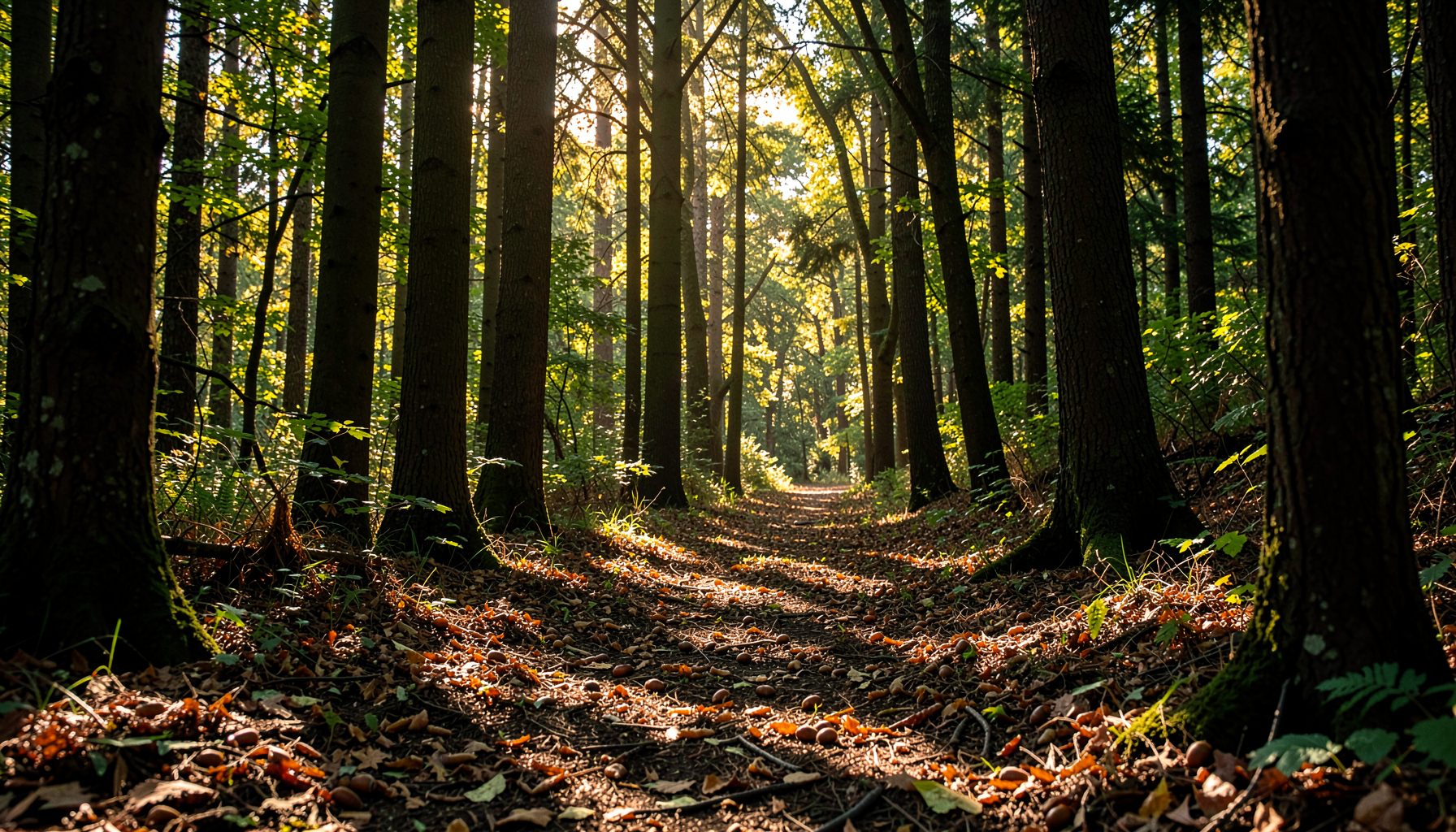
The Life Cycle Of A Streamside Seedling From Nursery To Riverbank
A streamside seedling begins its life long before anyone places it in the soil. Its story may start with an acorn gathered beneath a mature oak, a walnut collected from a neighborhood tree, or a shrub seed saved during an autumn field outing. Each seed carries genetic material from a living forest and the possibility of strengthening a watershed for decades.
The journey connects seasons, people, nurseries, forests, and waterways. Volunteers collect and sort native seeds, nursery staff nurture young trees, and restoration crews plant them where roots can stabilize streambanks and shade the water. Programs such as the Growing Native program help turn these separate steps into a coordinated conservation effort across the Potomac River watershed.
A seedling’s progress is measured in more than height. It develops a root system, adapts to local conditions, supports insects and birds, and eventually becomes part of a forest corridor. Understanding each stage helps volunteers see why careful collection and patient stewardship matter.
From Forest Seed To Conservation Crop
The cycle often begins in late summer or fall, when native trees produce mature fruit and seeds. Acorns, walnuts, hickory nuts, berries, and other forms of woodland seed are collected from healthy parent plants. Timing matters: immature seed may fail to germinate, while seed left too long on the ground can dry out, mold, or become food for wildlife.
Collectors look for local species suited to the watershed. Native genetics are valuable because trees descended from regional populations are more likely to cope with the area’s soils, rainfall, seasonal temperatures, and pests. A seed drive also turns ordinary observations into ecological knowledge as participants learn to recognize trees by leaves, bark, fruit, and growth habit.
Good identification prevents unwanted species from entering a restoration project. For example, volunteers can use this guide to identify a pin oak before gathering acorns. Correct labeling preserves the integrity of each seed lot and gives nurseries the information needed to raise appropriate plants.
After collection, seeds are kept cool, protected from excessive moisture, and delivered promptly. Some species need special storage or a period of cold, damp conditions called stratification before they will germinate. This natural dormancy-breaking process imitates winter and prepares the embryo for spring growth.
Community Collection Builds A Living Supply
A successful seed collection depends on many small contributions. One household may gather a few dozen acorns, while a school class, civic association, or workplace can collect hundreds. Together, these efforts provide the volume needed for nursery production and build a shared sense of responsibility for local forests.
Organizers can make collection accessible by offering clear species guides, labeled bags, collection dates, and simple instructions. A neighborhood event becomes more effective when participants know which trees to seek, how much fruit to gather, and where to bring it. Practical advice on engaging neighbors can help turn a single volunteer day into a recurring community tradition.
Seed collection also creates an outdoor classroom. Children can compare acorn caps, examine winged walnut husks, map parent trees, and discuss how water moves through a watershed. Adults may discover that the large tree beside a sidewalk is connected to stream health many miles away through its seeds and future descendants.
Ethical gathering protects the forest that supplies the seed. Volunteers should leave enough fruit for birds, mammals, and natural regeneration, avoid damaging branches, and collect only from healthy trees. A diverse mix from multiple parent trees gives restoration projects broader genetic representation and reduces dependence on a single source.
Nursery Care Turns Dormancy Into Growth
At a state or partner nursery, seed lots are cleaned, counted, labeled, and assessed. Staff may remove damaged seeds, test viability, and record the collection location and species. These records establish traceability, allowing conservation partners to understand where planting material came from and how it performs after planting.
Seeds are then sown in beds or containers filled with a carefully managed growing medium. Moisture must be consistent, though saturated conditions can suffocate roots or encourage fungal disease. Light, temperature, and spacing are adjusted as seedlings emerge and begin producing their first true leaves.
A nursery seedling develops under close observation, but it is still being prepared for a demanding outdoor life. Staff manage weeds, protect plants from pests, and gradually expose them to changing conditions. Root development receives particular attention because a strong, balanced root system helps the young tree withstand transplanting, drought, flooding, and competition.
The timeline varies by species. Some hardwoods may be ready for restoration planting after one growing season, while others need additional time. The goal is not to produce the largest possible tree. A compact seedling with healthy roots and a sturdy stem often establishes more successfully than an oversized plant whose roots have become crowded.
| Life stage | What happens | Why it matters |
|---|---|---|
| Seed collection | Mature native fruit is gathered from healthy local trees and shrubs | Preserves regional genetics and supplies restoration nurseries |
| Sorting and storage | Seeds are cleaned, labeled, protected, and given species-specific treatment | Improves germination and maintains accurate records |
| Germination | Dormant seeds sprout under controlled moisture, temperature, and light | Begins root and shoot development |
| Nursery growth | Seedlings receive water, weed control, spacing, and disease monitoring | Builds transplant-ready plants with healthy root systems |
| Site preparation | Crews assess streambanks, remove competing vegetation, and plan spacing | Gives each plant a better chance to establish |
| Riverbank planting | Seedlings are placed, watered, mulched, and protected | Starts long-term erosion control and habitat restoration |
| Establishment | Roots expand and shoots respond to local weather and soil conditions | Connects the plant to the recovering riparian ecosystem |
Choosing A Place Along The Water
The riverbank is not a uniform planting environment. Elevation, soil texture, sunlight, flood frequency, deer pressure, and existing vegetation all influence whether a seedling can survive. Restoration planners match species to these conditions rather than treating every open patch beside a stream as interchangeable.
Riparian forests commonly include oaks, maples, sycamores, river birches, walnuts, willows, and native shrubs. Some tolerate periodic flooding, while others perform better on higher terraces. A mixture of species and ages creates a more resilient plant community and provides food, cover, and nesting structure throughout the year.
Before planting, crews may identify invasive vines, compacted soil, bare slopes, and areas vulnerable to runoff. They also consider utilities, access routes, floodplain movement, and the location of existing native trees. Site preparation should improve conditions without disturbing the streambank further.
The best planting design follows the natural shape of the waterway. Trees and shrubs are arranged in clusters or irregular rows that reflect the future forest rather than a rigid landscape pattern. This arrangement allows sunlight to reach some areas while mature canopies eventually cool the stream and reduce evaporation.
Roots Anchor The First Growing Season
Planting usually takes place during dormancy, when deciduous seedlings have lost their leaves and demand less water. The ground must be workable, and the site should be moist without being frozen or saturated. Crews place each seedling at the correct depth, keeping the root collar level with the surrounding soil.
Roots need firm contact with the soil, while the stem and emerging buds need protection from burial. After backfilling, workers gently settle the soil around the roots and add mulch in a broad, shallow ring. Mulch retains moisture and suppresses weeds, but it should not touch the trunk because constant dampness can encourage decay.
Watering is especially important during the first weeks and during hot, dry periods. A newly planted tree has a small root system and cannot yet draw moisture from a wide area. Slow, deep watering is more useful than frequent light sprinkling because it encourages roots to move downward and outward.
Wildlife protection may include tree shelters, fencing, or repellents, depending on local conditions. Deer, rabbits, rodents, and insects can damage a young plant before it has time to recover. Crews inspect planted areas after storms and replace failed seedlings when necessary, treating early losses as information rather than a reason to abandon the project.
A Riparian Forest Emerges Over Time
During the first year, the seedling’s visible growth may be modest because much of its energy goes into root establishment. In later years, the plant begins to compete more effectively for light and moisture. Its leaves capture carbon, its roots bind soil, and fallen organic matter starts contributing to the streamside food web.
As the planting matures, a vegetated buffer intercepts rainfall before it reaches the stream. Roots help hold banks in place, while stems and leaf litter slow surface runoff. These processes can reduce sediment movement and help keep excess nutrients out of the water, supporting clearer, healthier aquatic habitat.
A developing forest also changes temperature and habitat conditions. Shade from a growing canopy can cool shallow water, which benefits fish and aquatic organisms sensitive to heat. Branches, leaves, flowers, fruits, and cavities provide resources for pollinators, songbirds, amphibians, and mammals.
Monitoring continues well beyond planting day. Volunteers may count surviving trees, measure height, photograph fixed locations, check shelters, and record invasive plant growth. These observations show which species are thriving and where additional care is needed. Over time, the monitoring record becomes evidence of how community-collected seed can shape watershed recovery.
Practical Ways To Support The Seedling Journey
Every stage benefits from dependable participation. People who cannot plant trees can still help collect seed, sort supplies, teach identification, maintain records, or care for restoration sites. Schools and workplaces can connect service days with lessons about groundwater, erosion, biodiversity, and the movement of water through the Potomac watershed.
Useful habits for volunteers include:
- Collect native seeds only when they are mature and from approved local sources.
- Leave enough fruit for wildlife and natural forest regeneration.
- Keep each species and collection location clearly labeled.
- Follow nursery and planting instructions for storage, handling, depth, and watering.
- Return to restoration sites for monitoring, watering, invasive plant removal, and shelter checks.
The most valuable contribution is consistency. A single collection event can fill bags, but repeated participation creates a reliable pipeline from woodland seed to nursery crop to streamside forest. It also helps communities recognize restoration as ongoing care rather than a one-day project.
The life of a streamside seedling is a chain of thoughtful decisions. Collectors protect the quality of the seed, nurseries support its first roots, planting crews match it to the right riverbank, and volunteers help it survive its vulnerable early years. With time, that small plant becomes part of a living buffer that protects water, soil, wildlife, and future generations.
Visit Growing Native to find ways to collect native seed, join a planting effort, or bring watershed education into a school, family, community group, or workplace. A healthy riverbank begins with many hands caring for one seedling at a time.