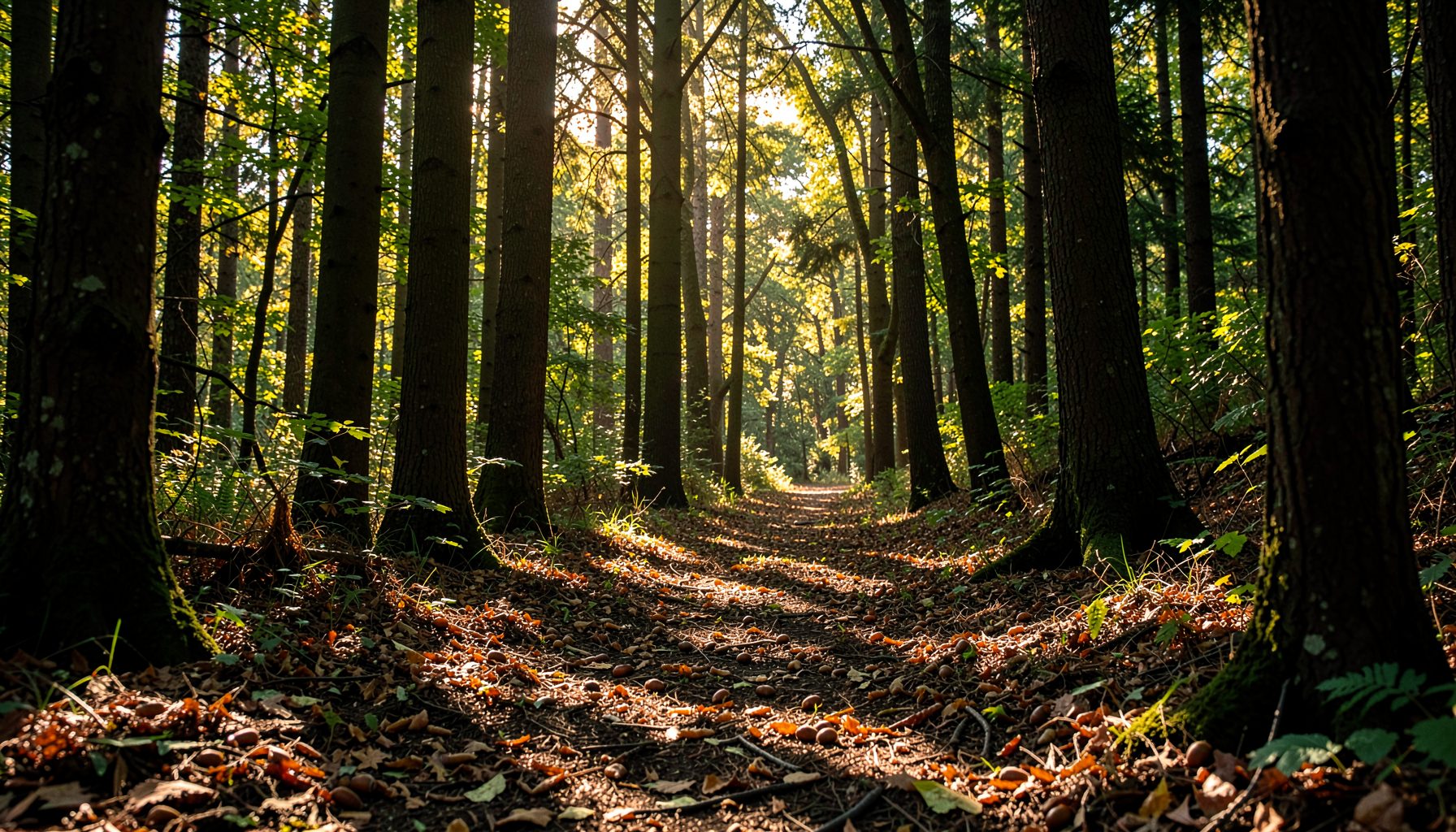
A forest edge is more than a line between trees and open ground. It is a changing ecological zone where sunlight, wind, temperature, soil moisture, flowering…
Posts
How Forest Edges Influence Seed Production
How to Use a Drone to Scout Seed-Rich Tree Canopies
A drone can reveal patterns that are difficult to see from the ground: clusters of mature oaks, walnut crowns along a stream, gaps where invasive plants…
Why Flowering Dogwood Shares the Early Pollinator Season
When the first warm days arrive in the Potomac River watershed, pollinators emerge before many gardens and forests look fully awake. Native bees, flies,…
Designing a Seed Collection Game for Volunteer Orientation
A seed collection game can turn a short volunteer orientation into an active lesson about native plants, forest renewal, and watershed health. Instead of…
Why Diverse Seed Collections Strengthen Native Forests
Healthy forests begin long before a seedling reaches a restoration site. They begin with the genetic material gathered from mature trees and shrubs, including…
Reading White Ash Through Its Compound Leaves And Samaras
White ash (Fraxinus americana) is a native hardwood of eastern North America, often found in rich forests, floodplains, stream corridors, and older…
Productive Native Trees for Fall Seed Collection
Fall is one of the most rewarding seasons for gathering native tree seed in the Potomac River watershed. Acorns drop under mature oaks, winged nuts loosen from…
How to Collect Seeds from Trees Growing on Slopes and Hillsides
Collecting seeds from trees on slopes requires more care than gathering from level ground. Uneven terrain affects footing, drainage, access, and the way seeds…
How Logjams Create Nurseries for Streamside Trees
A logjam is more than a pile of fallen branches in a river. Where woody debris collects across a channel, it can slow water, trap leaves and sediment, and…
How to Create a Tree Seed Identification Quiz for Kids
A tree seed identification quiz can turn a walk through a park, schoolyard, or stream corridor into an engaging lesson about native plants. Children learn to…