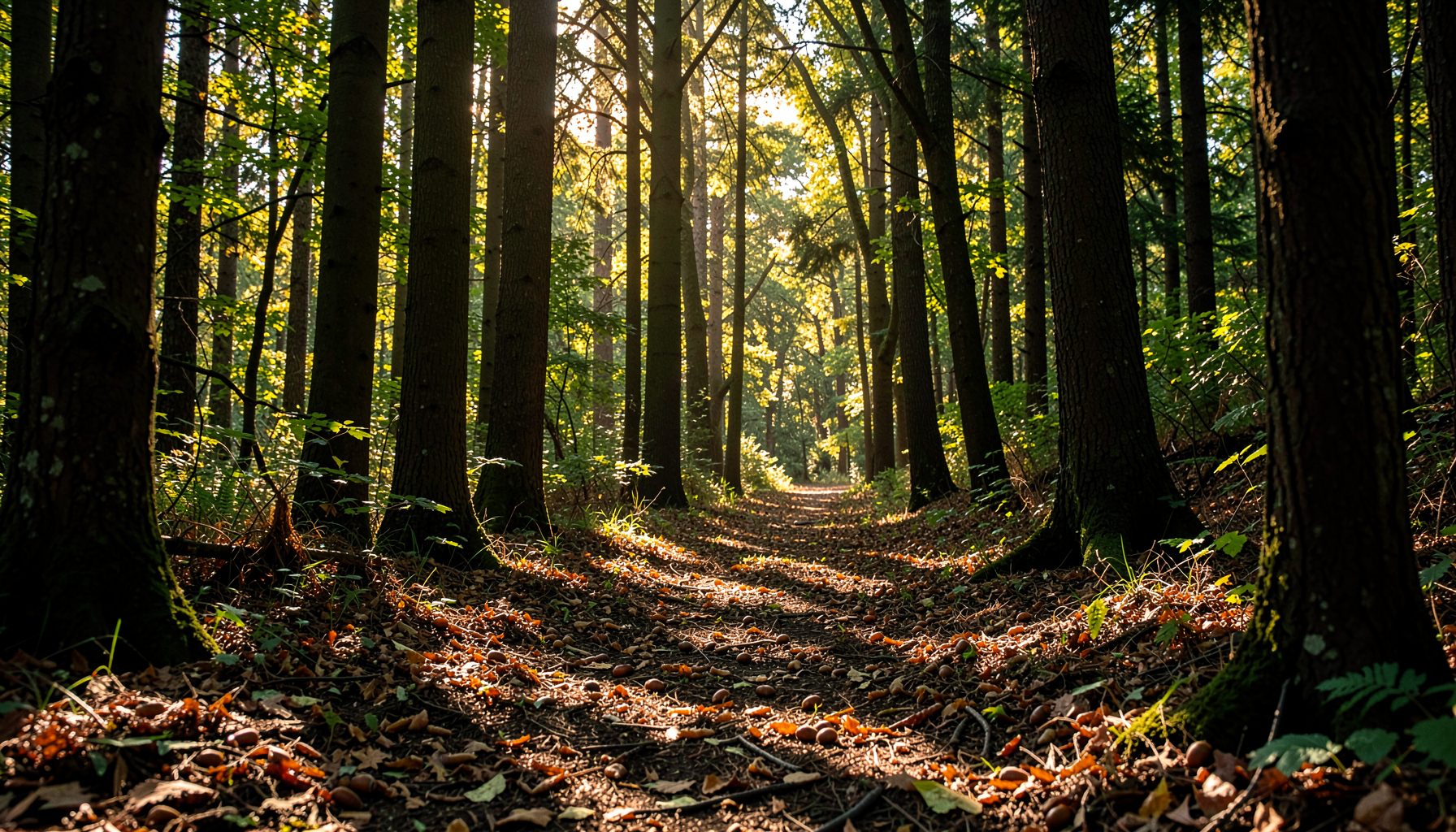
A city tree can look like a small patch of nature surrounded by roads, buildings and traffic, yet its seeds carry genetic information shaped by seasons, soils…
Posts
Why urban seed collecting matters for biodiversity
Planning Seed Collection Routes Across Multiple Park Properties
A successful seed collection day begins long before volunteers arrive at the first gate. When a route crosses several parks, reserves, school grounds or…
How to Identify a Black Cherry Tree by Bark and Fruit Clusters
Black cherry (Prunus serotina) is a widespread eastern North American hardwood valued for wildlife habitat, timber and forest regeneration. Its identity…
How to Clean and Process Hickory Nuts for Donation
Collecting hickory nuts can turn a seasonal walk into useful conservation work. Sound seed may help raise future trees for streambanks, wildlife habitat and…
Reading Forest Health Through Seed Collection Data
Seed collection is often treated as a practical task: find ripe fruit, gather viable seed, record the location and deliver the material to a nursery. Yet each…
Native Shrubs Worth Collecting for Wildlife Habitat
Healthy wildlife habitat often begins with a seed gathered at the right time from a plant that already belongs to the local landscape. Native shrubs provide…
Why spotting invasive plants matters during seed collection
Collecting native seeds can feel like a simple act of helping forests regenerate: find mature trees, gather healthy acorns or nuts, and pass them on for…
How to Identify Bitternut Hickory by Buds and Nut Shells
Bitternut hickory (Carya cordiformis) is a valuable eastern North American hardwood, especially in moist forests and streamside corridors. Its name comes from…
Leftover Seeds Can Still Support Healthy Native Forests
A seed donation drive rarely ends with every acorn, walnut, berry or winged seed in a collection box being ready for planting. Some are damaged, immature,…
Leading a School Seed Collection Event That Makes a Difference
A school seed collection event gives students a practical way to connect forests, waterways and everyday stewardship. Instead of learning about regeneration…