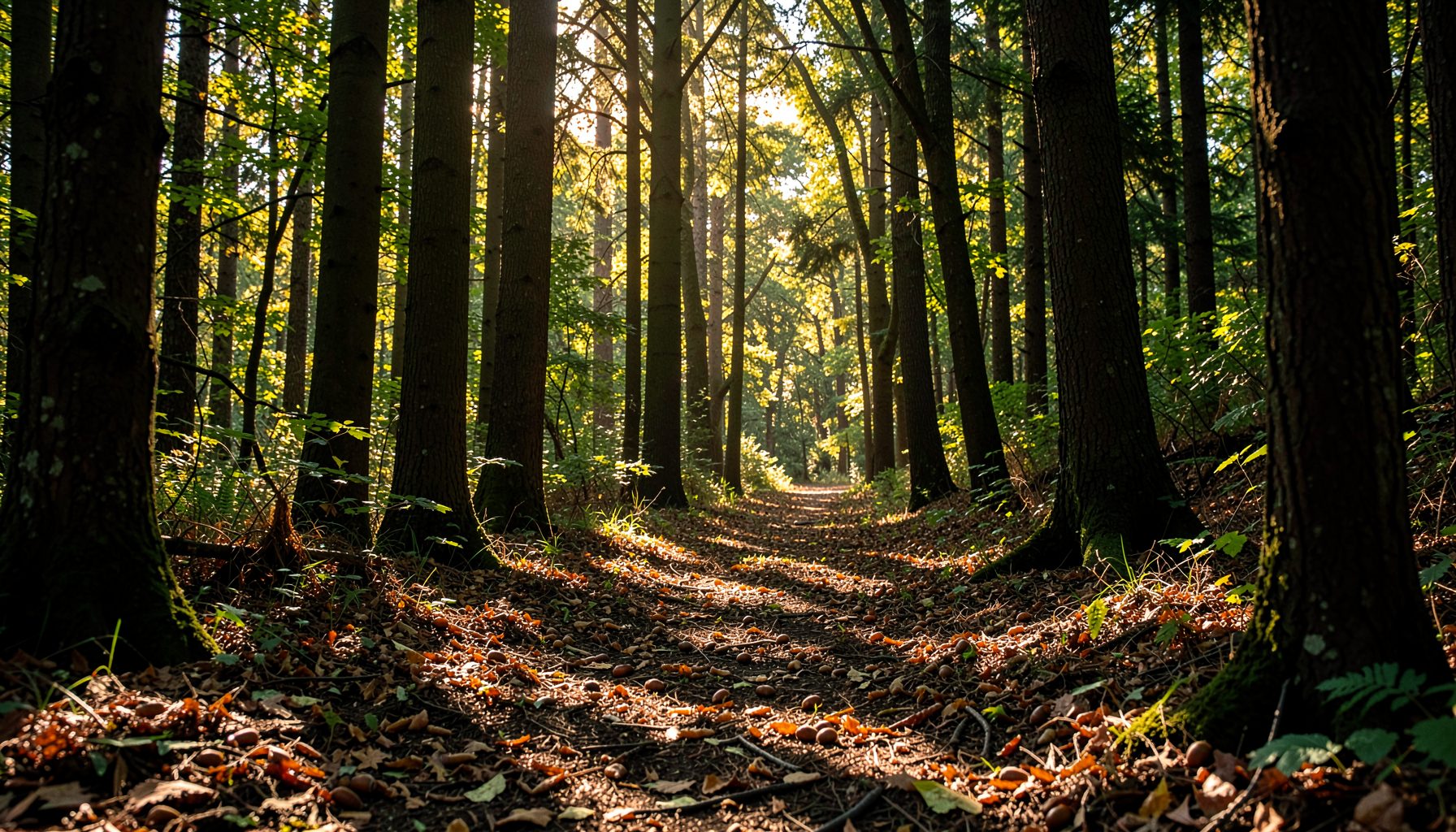
A stream’s temperature is governed by a balance between incoming solar radiation, air temperature, groundwater exchange, channel shape, and the amount of shade…
Posts
How forest canopy cover shapes stream temperature
How to Build a Simple Seed Cleaning Station at Home
Collecting native seeds is a practical way to support forest restoration, watershed health, and local biodiversity. Acorns, walnuts, hickory nuts, maple…
Why Spicebush Supports Birds Along the Potomac
A healthy watershed depends on more than tall canopy trees. The shrubs growing beneath them create a living middle layer where insects, berries, nesting…
Volunteer Stories: A Day of Seed Collection Along the Potomac
Before the first kayaker appears on the Potomac and before sunlight reaches the lowest branches, volunteers are already moving beneath the trees. Their task is…
How to tell a sugar maple from a red maple in winter
Maple trees can be surprisingly difficult to identify after their leaves have fallen. The familiar lobed foliage is gone, flowers are months away, and both…
The Role Of Beavers In Restoring Wetland Forests
Healthy forests and healthy waterways are closely connected. Along streams, woodland soils, roots, fallen branches, and wetlands work together to slow…
From Forest Floor to Future Streamside Tree
A donated acorn, walnut, or native shrub seed may look like a small contribution, but it begins a carefully managed journey once it reaches a state nursery.…
How to Host a Family-Friendly Seed Sorting Party
A seed sorting party is a simple way to turn a seasonal harvest into practical conservation. Families gather native seeds, inspect and organize them, and…
The Best Time of Day to Collect Native Seeds in Autumn
Autumn seed collection is a small action with a long ecological reach. A handful of acorns, walnuts, or native shrub fruits can become seedlings for streamside…
Sycamores Anchor Healthy Stream Corridors
Sycamore trees are among the most recognizable hardwoods along rivers and creeks in the eastern United States. Their mottled bark, broad crowns, and tall, pale…