Volunteer Stories: A Day of Seed Collection Along the Potomac
Before the first kayaker appears on the Potomac and before sunlight reaches the lowest branches, volunteers are already moving beneath the trees. Their task is simple to describe: find mature native seeds, collect them carefully, and deliver them for future planting. The meaning of the work becomes clearer with every full bucket.
A seed collection day connects an ordinary walk through the woods with a long-term effort to restore streamside forests. Acorns, walnuts, and other native hardwood and shrub seeds can become seedlings that shade waterways, stabilize soil, provide wildlife habitat, and strengthen the health of the Potomac River watershed.
The people who show up bring different reasons for spending a morning outdoors. Some come with children, some with colleagues, and others arrive alone because they want to learn the trees around them. Together, they turn observation, patience, and a little muddy work into a practical form of conservation.
Gathering Before The Forest Wakes
A volunteer day often begins with a short briefing rather than a dramatic starting line. Participants learn which species are being collected, how to recognize healthy seed, where to work, and how to avoid damaging plants or disturbing wildlife. Leaders may also explain how weather, elevation, and the timing of autumn fruiting affect the day’s search.
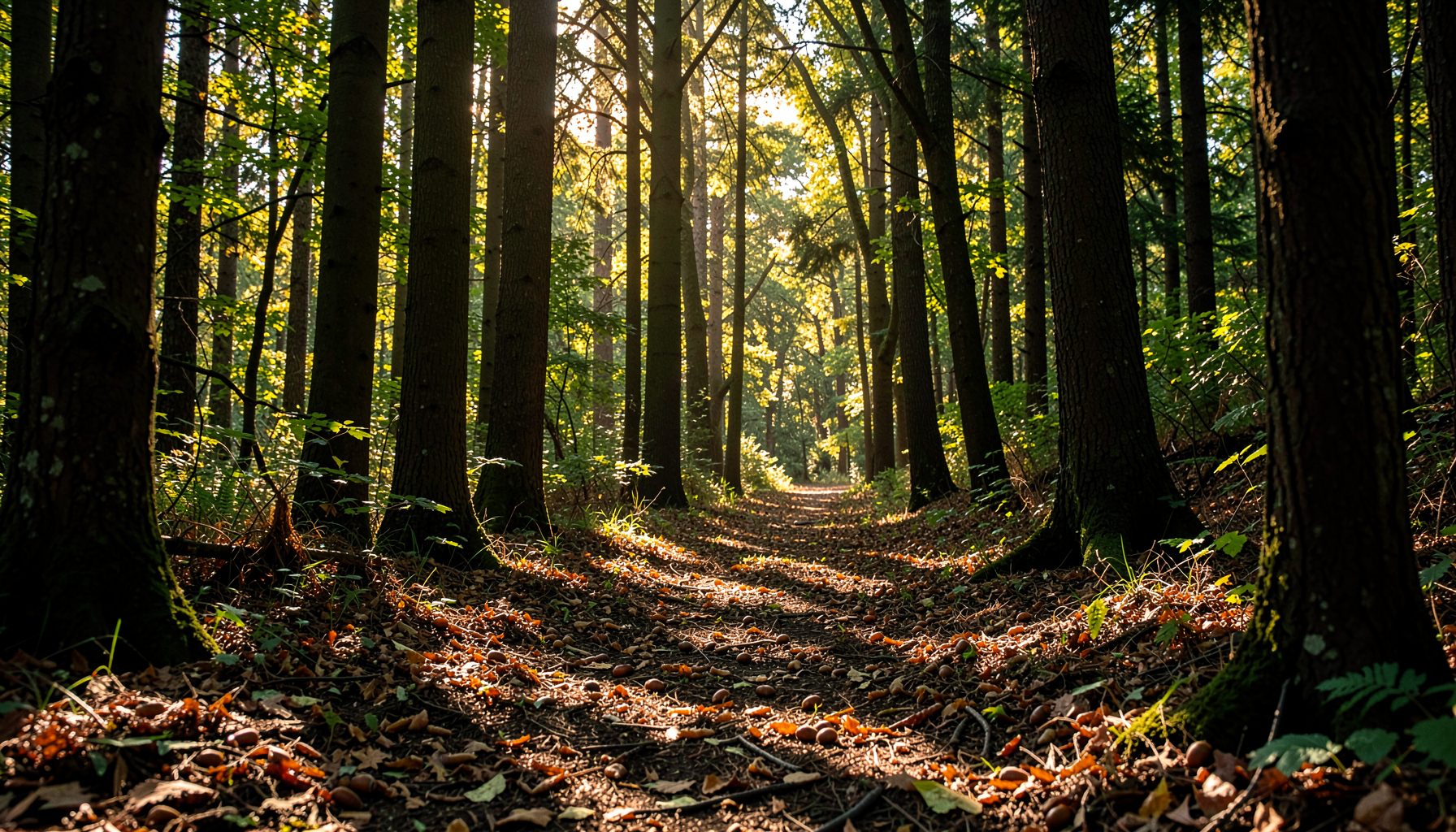
The early hours have their own atmosphere. The river moves quietly nearby, while damp leaves soften footsteps along the trail. Volunteers scan the ground beneath oak, hickory, walnut, and other native trees, looking for signs that seeds have recently fallen. A child may spot the first acorn, an experienced forager may identify a promising tree, and soon the whole group is comparing finds.
The work is steady rather than rushed. Volunteers bend, reach, sort, and carry. They notice details that are easy to miss during a regular hike: a cracked acorn, a walnut husk, a cluster of seeds caught beside a root, or a canopy with unusually abundant fruit. This close attention is one of the quiet rewards of participating in a watershed restoration program.
Learning To Read A Living Landscape
Seed collection is also a lesson in tree identification. Volunteers begin to connect a tree’s bark, leaves, shape, and fruit with the species name. An oak is no longer just part of the background; its branching pattern and acorns become clues. A walnut tree can be recognized through its compound leaves and green husks, while smaller shrubs reveal how much diversity can exist along a forest edge.
The forest floor offers information about the wider ecosystem. Bare patches may point to foot traffic or erosion. A thick layer of leaves helps protect soil and return nutrients. Fallen branches create shelter for insects and small animals. Near the Potomac, these observations help participants see how upland woods, streamside buffers, and waterways are connected rather than separate pieces of scenery.
There is an important difference between collecting and simply gathering. Volunteers choose sound seeds and follow guidance about quantity and location, leaving enough behind for natural regeneration and wildlife. They work with the forest’s seasonal rhythm instead of treating it as a limitless supply. That restraint is part of responsible stewardship.
Small Seeds With A Long Journey
Once a bucket is full, the day’s work shifts from searching to checking. Seeds may be sorted by type, inspected for damage, and kept in conditions that protect their viability. The process varies by species and nursery requirements, but the central idea remains consistent: careful handling gives native seeds a better chance to become strong planting stock.
The journey from forest floor to restored streambank can take time. A seed collected in autumn may be cleaned, stored, germinated, and raised at a nursery before it is planted. Later, the young tree may spend years developing roots and a protective canopy. Volunteers rarely see the entire chain on collection day, yet their contribution begins it.
| Collection-day moment | What volunteers do | Future watershed benefit |
|---|---|---|
| Species search | Identify native trees and shrubs by their leaves, bark, fruit, and location | Builds knowledge of local forest diversity |
| Careful gathering | Collect viable seeds while leaving adequate natural food and regeneration | Supplies native material suited to regional conditions |
| Sorting and handling | Remove damaged material and follow storage or delivery guidance | Improves the likelihood of healthy nursery growth |
| Nursery production | Support the pathway from seed to streamside seedling | Expands planting options for restoration projects |
| Forest recovery | Help create future tree cover along waterways | Reduces erosion, cools streams, and supports habitat |
These outcomes explain why acorns and walnuts matter beyond their size. Streamside trees intercept rainfall, hold soil in place, filter runoff, and shade water during hot weather. Their roots can reduce the amount of sediment entering a creek, while their branches and fallen leaves contribute to aquatic and terrestrial food webs. A single seed is modest; a coordinated collection effort can support restoration across many sites.
A Shared Day For Every Kind Of Volunteer
A family may turn collection into a scavenger hunt for different tree fruits. A school group may pair the outing with a lesson on seed dispersal, forest succession, or water quality. Coworkers may arrive looking for a service project and leave with a shared story about muddy boots and the biggest acorn of the morning. The activity adapts well to different ages and levels of outdoor experience.
The work also creates a natural balance between individual discovery and group effort. One person may be especially good at identifying trees, while another notices damaged seeds or keeps the collection organized. Someone who knows the trail can help with navigation, and a first-time volunteer may bring fresh curiosity. No single skill defines a successful collection day.
That openness is central to the mission described on the program’s about page. Conservation becomes more durable when people can participate directly, understand why the work matters, and see how a small local action contributes to a larger landscape.
What The River Teaches After The Buckets Are Filled
By the end of the outing, volunteers often notice the watershed differently. A shaded bank suggests future habitat. A bare, eroding slope raises questions about how trees could help. A line of young saplings becomes evidence that restoration is a process measured in seasons and decades, not in one planting event.
The experience can also change how people think about time. Seed collection asks participants to work for a result they may never personally witness at full maturity. The oak or walnut planted years later will belong to a future group of hikers, birds, anglers, and river communities. That long view is one of the strongest forms of environmental education.
For children, the lesson can be especially tangible: trees make seeds, seeds become seedlings, and seedlings can protect water. Adults may leave with a deeper understanding of native plants, invasive species, or the connection between land use and stream health. Learning resources from forest education materials can help extend that discovery beyond the volunteer day.
Ways To Prepare For A Meaningful Collection Day
A little preparation makes the outing safer, more comfortable, and more useful. Volunteers should follow the event organizer’s specific instructions, since collection targets, locations, and handling procedures can change with the season. The most important preparation is a willingness to observe carefully and work at the pace of the group.
Useful habits include:
- Wear sturdy shoes, long pants, and layers suited to changing weather.
- Bring water, gloves, and a small bag for personal items.
- Learn a few common native trees before arriving, while relying on event leaders for final identification.
- Examine seeds for damage and follow directions about what to collect and where to place it.
- Leave plants, wildlife, and enough natural seed for the forest’s own regeneration.
A successful day does not depend on filling the largest container or identifying every species. It depends on careful participation: showing up, asking questions, respecting the site, and helping the collected material move toward nursery production. Those habits make volunteer service practical rather than symbolic.
The next collection season offers a chance to step into that process. Visit the Growing Native program to learn about volunteer opportunities, gather with a family, school, community group, or workplace, and help give native forests along the Potomac a stronger future.