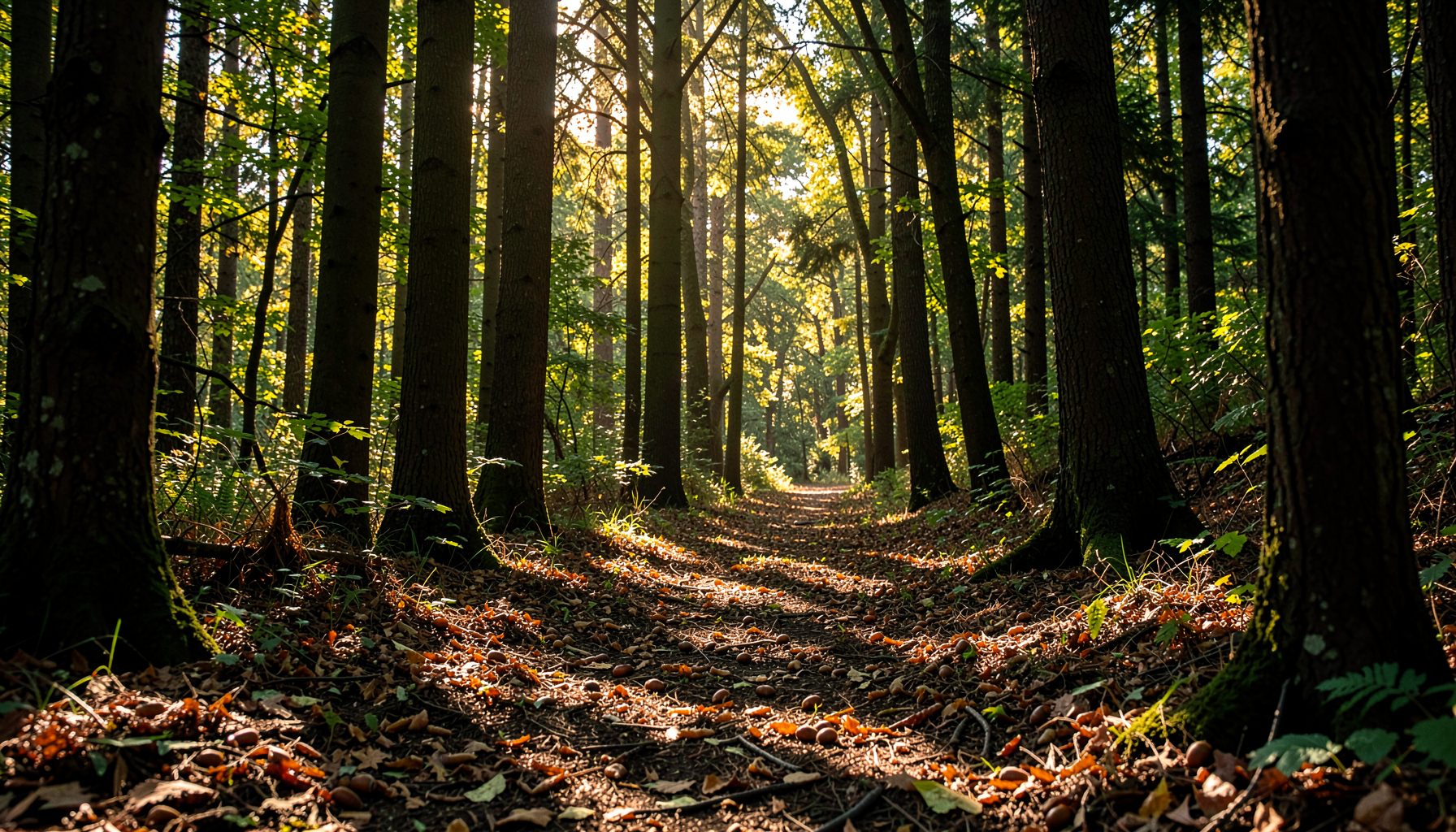
Why Flowering Dogwood Matters to Early Spring Pollinators
When winter loosens its hold across the Potomac River watershed, flowering dogwood begins a quiet but important transformation. Its pale bracts open among still-bare branches, signaling the arrival of a dependable food source at a time when many native plants have not yet begun to bloom.
The tree is often celebrated for its beauty, but its ecological value reaches far beyond spring scenery. The small flowers gathered at the center of each showy display provide pollen and nectar for bees, flies, beetles, and other insects emerging from winter shelter.
For pollinators, timing can matter as much as abundance. A flowering dogwood in a healthy forest edge or streamside corridor helps fill a seasonal gap, supporting insects when energy reserves are low and few other food sources are available.
A Timely Food Source After Winter
Flowering dogwood, or Cornus florida, typically blooms from early April into May in the Mid-Atlantic, although weather and elevation can shift the season. The large white or pink structures that attract attention are modified leaves called bracts. The true flowers are the tiny yellow-green blooms clustered in the center.
Those small flowers produce pollen and nectar that can be reached by a range of early-season visitors. Native bees, including small mining bees and sweat bees, may forage among the clusters. Syrphid flies, beetles, and other insects also visit, making dogwood a useful generalist resource rather than a plant tied to a single pollinator species.
Early spring insects face a difficult balance. They need enough food to fuel flight, temperature regulation, and reproduction, yet cool nights can limit the number of flowering plants available. A mature dogwood offers hundreds of flower clusters throughout its crown, giving pollinators a visible and concentrated destination.
How Its Flowers Support Native Insects
Dogwood flowers are relatively open and accessible, so insects with different body shapes and feeding behaviors can use them. Bees collect pollen for developing larvae, while nectar provides quick carbohydrates for adult insects. Flies and beetles may also feed on pollen, nectar, or both.
A tree’s value increases when it grows near other native flowering plants. Serviceberry, redbud, spicebush, blueberry, and spring-blooming herbaceous plants can extend the feeding season before and after dogwood flowers fade. This sequence creates a more reliable pollinator corridor than a landscape with one isolated bloom period.
The tree also contributes after its flowers disappear. By late summer and fall, flowering dogwood develops bright red fruits that feed birds and mammals. Those animals help move seeds through the forest, while the tree’s branching form provides cover and nesting structure. One native species therefore supports several layers of the food web across multiple seasons.
A Forest Tree With Watershed Benefits
Flowering dogwood naturally occupies forest edges, open woodland, and understory habitats. Its moderate size allows it to grow beneath taller trees, where filtered sunlight supports a layered forest rather than a single, uniform canopy. That structure gives insects more shelter from wind and temperature extremes.
Near streams, native trees and shrubs help stabilize soil with their roots. Their leaves shade the water, helping maintain cooler temperatures for aquatic organisms, while fallen organic matter contributes to the food web in the stream channel. Dogwood is one part of this larger plant community, working alongside larger hardwoods, shrubs, and herbaceous ground cover.
Healthy streamside forests also slow stormwater and reduce the movement of sediment and nutrients into waterways. A single dogwood cannot accomplish these tasks alone, but a diverse riparian buffer can. Protecting and restoring native plant communities supports pollinators above ground while improving water quality below the canopy.
Early Blooms in a Native Planting
Flowering dogwood is especially valuable when viewed as part of a seasonal succession. Different native plants bloom at different times, reducing the risk that pollinators will encounter a landscape with food available for only a few weeks. The comparison below shows how several Mid-Atlantic species can contribute at different points in the year.
| Native plant | Approximate bloom period | Pollinator value | Additional habitat benefit |
|---|---|---|---|
| Red maple | Late winter to early spring | Pollen for early bees and flies | Seeds feed birds and small mammals |
| Flowering dogwood | Early to mid-spring | Nectar and pollen for bees, flies, and beetles | Red fruits support birds and mammals |
| Serviceberry | Early to mid-spring | Nectar for bees and other early insects | Fruits support birds and wildlife |
| Buttonbush | Summer | Abundant nectar for bees, butterflies, and hummingbirds | Dense wetland cover and streamside support |
| Goldenrod | Late summer to fall | Nectar and pollen during a seasonal shortage | Seeds feed birds; stems shelter insects |
Planting for continuity is more effective than choosing species based only on flower color. A combination of spring trees, summer shrubs, and late-season perennials can provide food from the first warm days through autumn. Native plants adapted to local soils and climate also tend to require less supplemental care once established.
Protecting Pollinator Food Sources
Many flowering dogwoods grow in places that are vulnerable to development, invasive plants, browsing, drought, and compacted soil. Protecting existing trees is often more effective than replacing them after a mature forest has been cleared. Their ecological relationships develop over years, not weeks.
Land managers and homeowners can support flowering dogwood by preserving leaf litter, avoiding unnecessary soil disturbance, and keeping competing invasive vines and shrubs under control. Mulch should be kept away from the trunk, and young trees need protection from mowing equipment and heavy foot traffic.
Practical steps include:
- Preserve mature dogwoods and nearby native understory plants whenever possible.
- Plant locally appropriate dogwood seedlings in spring or fall, using healthy soil and adequate moisture.
- Avoid broad-spectrum insecticides during bloom, when visiting pollinators may be exposed.
- Add native plants with staggered bloom periods to create continuous forage.
- Leave some natural leaf litter and woody material for overwintering insects and soil organisms.
Planting location matters as much as plant choice. Flowering dogwood prefers moist, well-drained, acidic soil and partial shade, though established trees can tolerate brighter conditions when moisture is adequate. A site assessment can prevent the common mistake of placing a woodland species in hot, dry, exposed ground.
Turning Seed Collection Into Restoration
The future of native dogwood and other hardwoods depends on a steady supply of locally suitable plants. Seed collection connects seasonal observation with long-term restoration. When volunteers learn to recognize native fruits and mature seeds, they become active participants in rebuilding forest communities.
Collection should be thoughtful and limited. Seeds need to remain available for wildlife, and collectors should avoid damaging branches or gathering from threatened populations. Clean tools, accurate identification, and attention to local collection rules help ensure that volunteer efforts strengthen rather than disturb natural systems.
The timing of collection can affect seed quality, viability, and handling. Volunteers can review this guidance on the best collection window before gathering native seeds in autumn. Although flowering dogwood fruits are not the same as acorns or walnuts, the same principles of careful observation and responsible collection apply.
Seeds donated to state nurseries can become seedlings for streamside buffers, reforestation projects, and community plantings. Over time, those seedlings create shade, stabilize soil, support wildlife, and expand the network of native flowering trees available to pollinators.
Learning Builds Lasting Stewardship
Education helps people understand why a small flower cluster deserves protection. Tree identification lessons can reveal the difference between dogwood’s showy bracts and its true flowers, while forest ecology activities show how pollinators, birds, soil, and clean water are connected.
These lessons work well in schools, families, workplaces, and community groups. A walk through a local forest can become an exercise in phenology: participants record when buds swell, flowers open, insects arrive, and fruits mature. Repeated observations build a practical understanding of seasonal change and may reveal how weather affects local food supplies.
Growing Native provides forest and watershed learning materials that can help volunteers connect native seed collection with broader conservation goals. Education becomes especially powerful when paired with action, such as collecting seeds, raising seedlings, planting buffers, or monitoring young trees after restoration.
When people recognize the ecological role of a native tree, they are more likely to protect it and advocate for diverse plantings. That awareness can influence choices in yards, school grounds, parks, farms, and construction projects across the watershed.
Help Restore the Next Season of Blooms
Flowering dogwood gives early pollinators a valuable source of pollen and nectar, but its importance grows when it stands within a diverse, connected forest. Protecting mature trees, restoring streamside habitat, and adding locally native species can create feeding opportunities that continue throughout the year.
Volunteers can help collect native seeds, learn tree identification, support nursery production, and plant the next generation of watershed trees. Join Growing Native’s conservation work to help restore the forests, waterways, and seasonal food networks that pollinators and communities depend on.