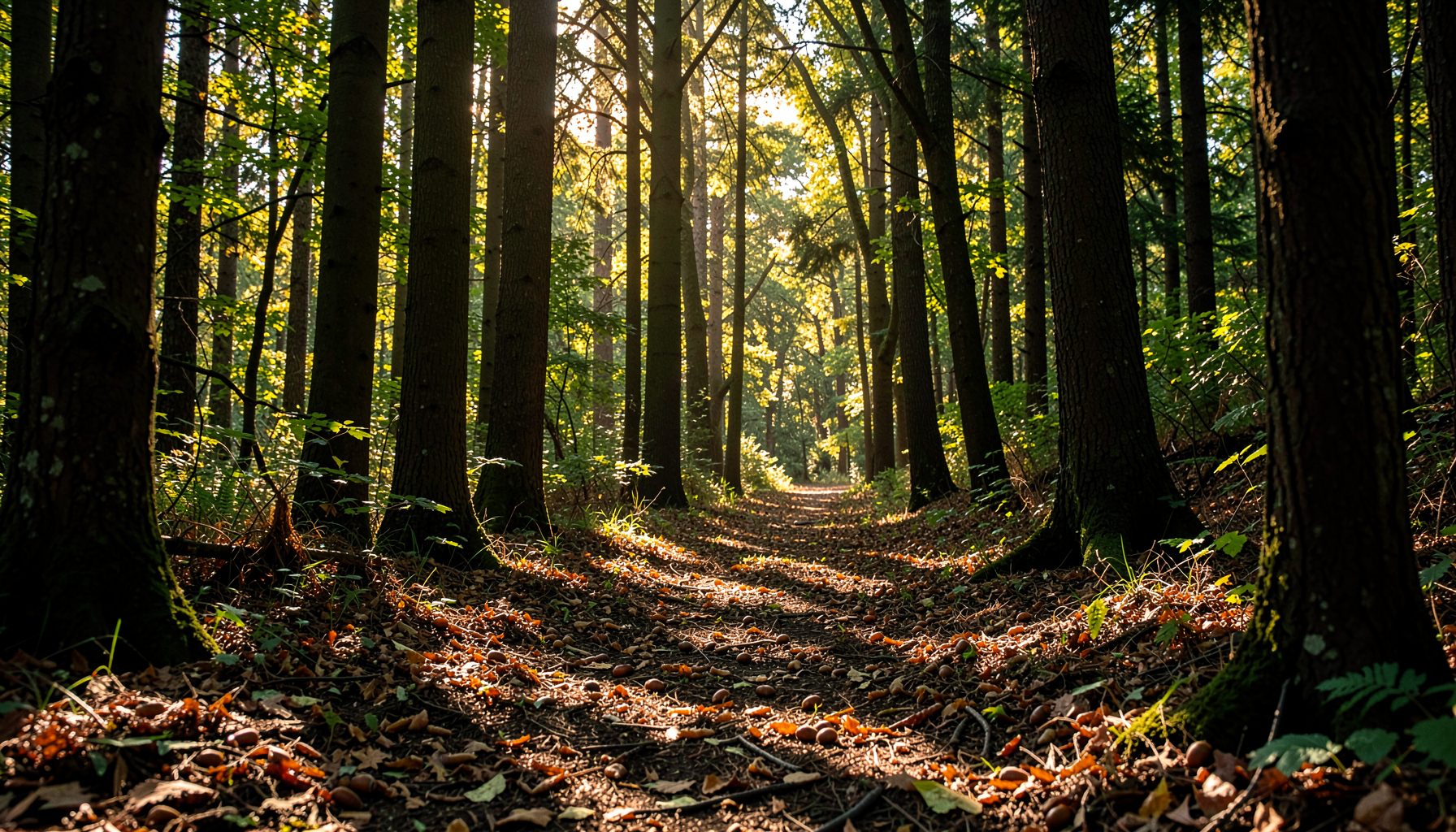
When seed collection yields more than expected
A successful native seed collection can quickly become a storage problem. A few baskets of acorns, walnuts, hickory nuts, or shrub fruits may seem manageable in the field, yet the volume grows once schools, families, workplaces, and community groups collect together. The right response is not to keep everything indefinitely. It is to sort the harvest, protect viable seed, and move it toward a use that benefits local forests and waterways.
Native seeds are living material, and each species has its own timing, moisture needs, dormancy pattern, and tolerance for handling. Some should be planted soon after collection, while others can be cleaned and stored for later sowing. A thoughtful process helps prevent mold, wasted effort, and accidental spread of poorly matched or invasive plants.
An overabundant harvest can also become an educational opportunity. Volunteers can practice tree identification, learn how forests regenerate, and see how a handful of local seeds may eventually become streamside trees. When extra seed is directed to a restoration program or nursery, collection becomes part of a larger watershed cycle.
Sort the harvest before deciding what to do
Begin by separating seeds by species, collection date, and collection location. Do not combine acorns from several oak species or mix walnuts with hickory nuts simply because they look similar. Accurate identification matters because nurseries and restoration projects need to know what they are growing, and different seeds require different treatment.
Remove visibly cracked, hollow, insect-damaged, or moldy seeds. A small amount of surface debris is normal, but wet leaves, pulp, and soil can trap moisture around the seed and encourage decay. Handle the harvest gently, since damaged shells and scraped seed coats provide entry points for fungi.
Label every container with the common name, scientific name if known, date, site, and collector. If a group gathered from several parks or stream corridors, keep those sources separate until a receiving nursery or conservation program confirms that combining them is appropriate. Good records make surplus easier to distribute and give future planters useful information about local genetic material.
Match each seed with a practical destination
The best destination depends on condition, quantity, season, and local need. A small amount of fresh seed may be ideal for a school demonstration or community planting activity. A large, well-labeled batch may be more valuable when donated to a nursery that has the facilities to clean, stratify, sow, and monitor it.
Before transporting a large harvest, contact the intended recipient. Ask whether the organization accepts that species, whether it has a current need, and how the seed should be packaged. A nursery may already have enough of one species but welcome another, or it may need seed delivered within a narrow window.
When considering where the surplus should go, use the following guide:
| Condition or situation | Suitable next step | Important care |
|---|---|---|
| Fresh, healthy acorns or nuts | Deliver to a native plant nursery or restoration program | Keep cool, labeled, and protected from drying |
| Small quantity from a known local tree | Use for a learning activity or local planting | Confirm the site and species are appropriate |
| Mixed or uncertain seed | Ask an expert to identify and assess it | Do not distribute unidentified material |
| Seed showing mold or heavy damage | Compost or discard it responsibly | Keep compromised seed away from healthy batches |
| Large harvest from several volunteers | Divide, document, and coordinate a shared donation | Preserve collection records and species separation |
A conservation organization may also help match seed with projects that need particular native hardwoods or shrubs. Growing Native, for example, coordinates volunteer collection and directs suitable material toward state nurseries, where it can become seedlings for streamside restoration. Sending surplus through an established process can be more effective than scattering it without a planting plan.
Protect viable seed during short-term storage
Storage should be temporary unless the species and equipment support longer preservation. Most native tree seeds remain healthiest when kept cool and monitored rather than sealed wet in a warm room. Acorns and nuts need enough moisture to remain viable, but excess water creates a favorable environment for mold.
Use breathable bags, shallow boxes, or containers with ventilation, depending on the species and instructions from the receiving nursery. Avoid airtight plastic bags for damp seed unless a knowledgeable specialist has specified that method. Store containers in a cool, stable location away from direct sunlight, heaters, and repeated temperature changes.
Check the seed regularly. Look for condensation, softening, unpleasant odors, spreading mold, or insect activity. Remove affected material promptly so one damaged batch does not compromise the rest. Do not wash seeds unless recommended for that species; surface moisture that cannot evaporate may cause more harm than the original dirt.
For a group collection, assign one person to maintain the inventory and another to coordinate delivery. A simple spreadsheet can record species, quantity, condition, storage date, and destination. This prevents duplicate promises and makes it easier to act before the seed loses viability.
Share surplus through responsible channels
Giving extra seed away informally can sound efficient, but it may create problems when recipients lack the equipment or knowledge to handle it. A better approach is to share with native plant nurseries, watershed associations, land trusts, school gardens, or conservation programs that have a defined propagation or restoration purpose.
Local origin is especially valuable for projects in the Potomac River watershed. Seeds collected from healthy native trees can support plant material suited to regional conditions, although the receiving organization should decide whether a particular source is appropriate for its nursery or restoration site. Never move seed across regions simply because it is abundant without checking local rules and ecological guidance.
Use reliable educational material to help volunteers identify species and understand forest regeneration. Growing Native’s educational publications provide a useful starting point for groups that need tree identification, watershed, and conservation resources alongside their collection efforts.
If no suitable recipient is available, return a modest amount of local seed to an appropriate site only when you know the species, the land manager permits it, and the area can support natural regeneration. Avoid placing seed along maintained paths, in restoration plots with a different planting plan, or in sensitive habitats where introducing additional material could interfere with ongoing management.
Turn excess seed into a learning project
An abundant collection can support lessons long after the field day ends. Students can compare seed shapes, examine bark and leaves from the parent trees, map collection points, and track changes during storage. They can also calculate how many seeds were collected, how many remained viable, and how many seedlings might result under favorable nursery conditions.
Families and workplace groups can create a seed journal with photographs, weather notes, collection dates, and observations about wildlife use. This connects a single volunteer activity to broader topics such as food webs, seasonal cycles, erosion, and water quality. Children often understand forest restoration more clearly when they can follow a seed from a familiar neighborhood tree toward a future planting.
Preparation improves both safety and efficiency. Before a rainy collection day, review these seed collection tips so volunteers arrive with suitable clothing, containers, labels, and a plan for keeping the harvest dry during transport. A well-prepared group is less likely to rush, damage seed, or bring home material that cannot be identified.
Educational use should still respect the seed’s value. Set aside only the amount needed for demonstrations and direct the rest to a restoration destination. If students conduct a germination test, use a small sample and record the results rather than sacrificing an entire batch.
Connect the harvest to stream and forest health
The long-term value of surplus seed becomes clearest when it is tied to a specific ecological need. Native trees and shrubs can shade streams, stabilize soil, provide habitat, slow runoff, and contribute leaf litter that supports aquatic food webs. These benefits take years to develop, so careful seed handling is the first step in a much longer restoration process.
Species selection should reflect the planting site. A tree suitable for a wet streambank may perform poorly on a dry upland slope, while a shrub that controls erosion in one setting may be unsuitable near a sensitive habitat. Before recommending a species for an erosion project, review guidance on native streambank trees and follow the plans of the landowner or restoration manager.
Avoid framing every seed as a guaranteed future tree. Germination rates vary, and nurseries may discard some material during cleaning or treatment. That does not make the donation unsuccessful. A carefully handled batch gives trained growers a better opportunity to produce healthy seedlings, and the resulting plants can be selected for sites where they have the strongest chance of surviving.
The same principle applies to community planting. Do not plant a surplus merely to use it up. A smaller, well-planned planting with suitable species, site preparation, watering, and follow-up care will contribute more to watershed health than a large release of seed into an unsuitable location.
Make future collections easier to manage
A few simple policies can prevent another excess harvest from becoming confusing. Set a target quantity before volunteers begin, assign collection zones, and establish a stopping point for each species. If the group reaches its target early, volunteers can shift to identification, mapping, litter removal, or habitat observation instead of collecting material that has no destination.
Use a central receiving station where seed is weighed, inspected, labeled, and recorded. Ask volunteers to bring only mature, naturally fallen material when appropriate, and discourage stripping every seed from a single tree. Leaving some food for wildlife and some seed for natural regeneration supports the forest in the present while collected material supports future plantings.
Useful practices include:
- Confirm acceptance requirements with a nursery or conservation partner before collection day.
- Keep each species and collection site in a separate, clearly labeled container.
- Remove damaged or moldy material before it enters shared storage.
- Track quantities, dates, locations, and final destinations in a simple inventory.
- Reserve a small portion for education and direct the healthy surplus to restoration.
A collection coordinator should also plan for transportation and weather. Coolers, breathable sacks, clean trays, permanent markers, and backup labels can make a substantial difference. If a group gathers more than expected, pause collection, contact the receiving organization, and follow its instructions rather than improvising long-term storage.
Healthy forests begin with many small decisions: identifying the right tree, gathering at the right time, protecting the seed, and placing it where it can serve a real purpose. Growing Native gives volunteers a way to turn those decisions into practical support for nurseries and watershed restoration across the Potomac region.
Organize your next collection around a clear destination, invite your community to participate, and document what you gather. Whether the harvest fills one basket or several boxes, careful stewardship can help transform local native seed into cleaner waterways, stronger streambanks, and forests that continue regenerating for generations.