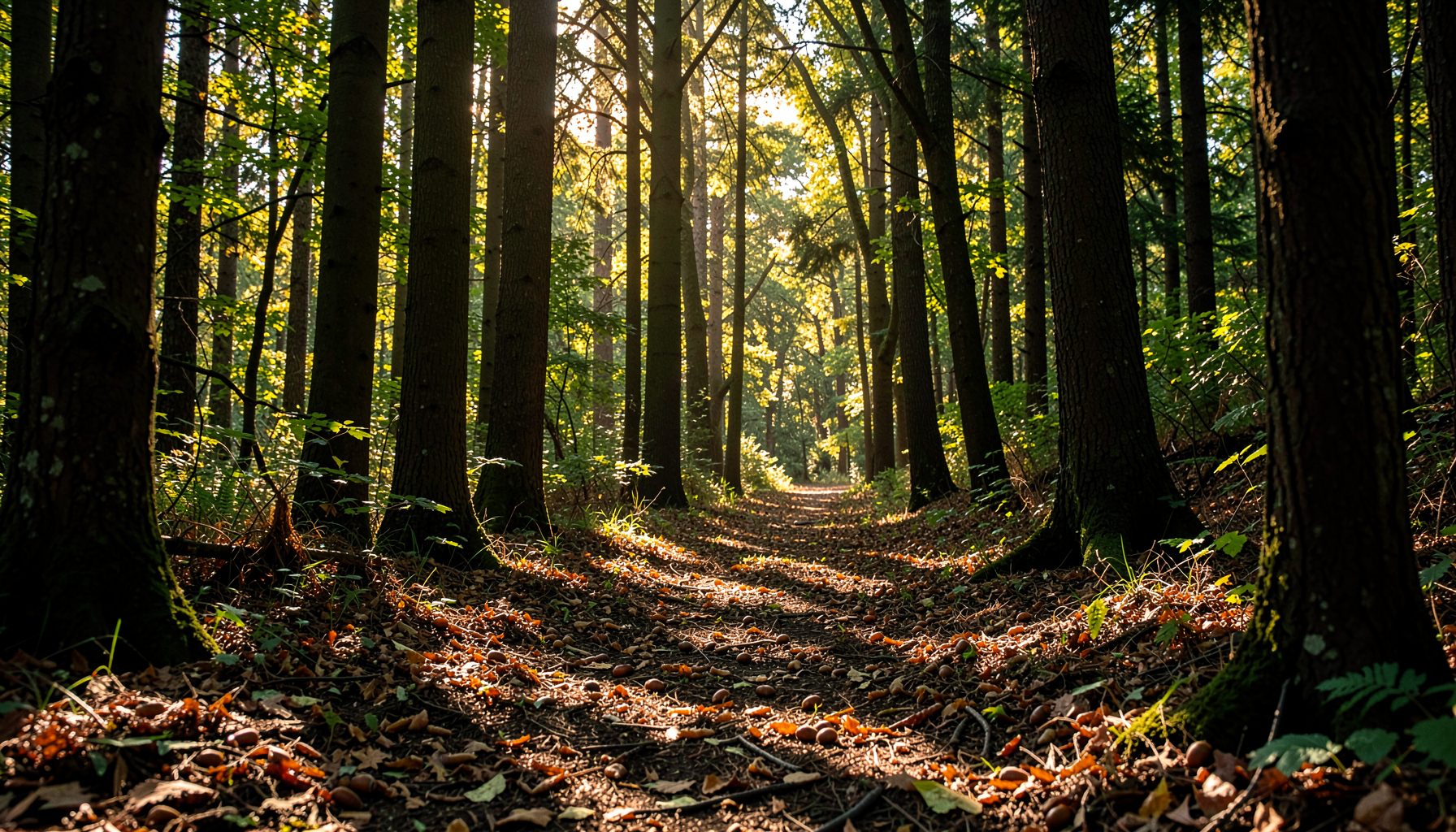
When a Changing Climate Shifts Seed Ripening
Seeds do not mature according to a fixed calendar. Their development depends on flowering time, temperature, rainfall, soil moisture, daylight, insect activity and the condition of the parent plant. When those signals shift, the moment when an acorn, walnut, pod or berry is ready for collection can move too.
For restoration programs, this timing matters greatly. A seed gathered too early may not be fully developed, while one collected too late may have fallen, dried out, been eaten or lost its ability to germinate. Understanding changing ripening patterns helps volunteers, nurseries and conservation groups protect genetic diversity and produce stronger plants for forests and waterways.
Why Seed Ripening Is Moving
Climate change affects seed maturity through warmer average temperatures, altered rainfall and more frequent heat extremes. In many plants, spring warmth now arrives earlier, encouraging earlier flowering and fruit formation. If a later drought interrupts development, however, the seed may ripen unevenly or remain small even after the fruit appears mature.
Rainfall can be just as influential as heat. A wet spring may support abundant flowering and fruit growth, while a dry summer can accelerate drying and trigger premature seed release. Heavy rain near maturity may damage pods, wash away fruit or encourage fungal growth. These conditions create a narrower and less predictable collection window.
Australian volunteers see these differences across a large range of climates. A wattle in inland New South Wales may face intense heat and water stress, while a rainforest species near Brisbane responds to high humidity and summer rainfall. In Tasmania or the Victorian high country, cool conditions can delay development well beyond dates expected from older field notes.
For a restoration organisation working in the Potomac River watershed, the same biological principle applies across a different climate. Acorns, walnuts and shrub seeds need to be monitored in the field rather than collected solely according to a traditional month-by-month schedule.
What Warmer Seasons Mean For Forest Seeds
Earlier spring temperatures can advance flowering, yet early flowering does not guarantee successful seed production. Frosts may still arrive after buds open, and pollinating insects may not be active at the same time as the flowers. This mismatch, known as phenological asynchrony, can reduce the number of viable seeds produced.
Heat during the ripening period may shorten the time between maturity and dispersal. Some fruits split sooner, and dry capsules can release seed before a collection team reaches the site. In trees such as oaks, a hot, dry season may also reduce acorn size and increase insect damage, affecting both quantity and germination.
The effects are especially important for streamside restoration. Healthy riparian vegetation helps stabilise soil, shade waterways and slow runoff; the role of streamside forests becomes even more valuable as intense rainfall and erosion risks increase. A missed seed window can therefore delay practical work that protects water quality.
Climate change can also alter where a species is able to reproduce reliably. A tree may survive in a familiar location but produce fewer viable seeds there, while populations at cooler elevations or further south become increasingly important sources of genetic material.
Field Signs That Seed Is Ready
Collectors should assess the whole plant and site rather than relying on a single colour change. Mature fruit often becomes heavier, firmer or drier, and pods may shift from green to tan or brown. Acorns generally detach more easily when mature, while walnut husks change texture and colour as the nut develops. These signs vary by species, so local knowledge remains essential.
A useful approach is to inspect several trees over repeated visits. Record flowering dates, fruit development, weather conditions, collection dates and the condition of the seed. Comparing these observations across years can reveal whether ripening is trending earlier, becoming more irregular or varying sharply between exposed and sheltered sites.
- Check fruit, pods or nuts on several parts of the tree.
- Look for signs of insect holes, mould, cracking or premature drop.
- Test whether mature material separates naturally without force.
- Record recent rainfall, heatwaves and dry conditions.
- Keep seed from different parent trees and locations identifiable.
Australian bush regeneration groups commonly use field notebooks, phone photographs and local Landcare networks to build this knowledge. Those simple records can be valuable where formal species calendars no longer match conditions on the ground. In regional areas, advice from Indigenous land management practitioners, native nurseries and experienced seed collectors can add detailed seasonal context.
Collectors also need to distinguish ripeness from stress. A shrivelled fruit may look dry and ready but contain an immature or non-viable seed. Conversely, a green-looking pod may hold fully developed seed if the species naturally retains moisture until shortly before dispersal.
Building A Flexible Collection Calendar
A fixed collection date is becoming less dependable, so restoration programs benefit from a flexible calendar based on observations and local weather. Teams can begin checking sites earlier than usual, increase visits during the expected ripening period and continue monitoring after the first mature seeds are found. This reduces the chance of missing a brief collection window.
The best calendar combines several layers of information: historical records, current plant observations, seasonal forecasts and reports from nearby collectors. Australia’s Bureau of Meteorology outlooks can help teams prepare for heat and rainfall patterns, although forecasts should guide monitoring rather than replace it. Conditions can differ greatly between a creek flat, an exposed ridge and an urban reserve.
A flexible system also helps nurseries plan labour, storage space and propagation schedules. Native plant suppliers in Australia often need seed with documented provenance because councils, mine-site rehabilitation projects and revegetation contracts may specify local genetic material. Seed timing is therefore connected to the practical workings of the restoration market, from volunteer collection through to nursery production and landholder planting.
For Growing Native, a similar record-based approach supports the collection of native hardwood and shrub seed for state nurseries. Monitoring each season helps protect quality and makes it easier to explain why collection dates change as weather patterns shift.
Protecting Seed Quality And Genetic Diversity
Climate uncertainty makes careful handling more important. Seed should be labelled with the species, collection date, location, parent trees and any relevant weather observations. Material collected from several healthy trees is generally more useful than a large volume taken from one individual, because it preserves broader genetic diversity.
Collectors should follow local permissions and ethical limits. They need to avoid damaging parent plants, disturbing wildlife that depends on fruit, or removing a disproportionate share of available seed. In Australia, collection rules may differ between public reserves, council land, private properties and Indigenous-managed areas, so land access and cultural protocols must be respected.
- Use breathable containers when fresh material could heat or mould.
- Keep separate collections from different sites and parent trees.
- Remove damaged or diseased material before storage.
- Label every batch clearly at the point of collection.
- Follow nursery guidance for drying, cleaning and transport.
Good provenance records may become increasingly important as climates shift. Seed from a warmer, drier population could carry useful traits, while material from a cooler or wetter source may be better suited to another restoration site. Moving seed indiscriminately can create ecological problems, so decisions should be made with local experts and the needs of the target ecosystem in mind.
Education gives volunteers confidence to make these decisions. Growing Native’s education resources support learning about tree identification, forest ecology and watershed health, helping participants connect a single collected seed with the wider restoration process.
Turning Seasonal Observations Into Action
Climate-aware seed collection depends on repeated observation and cooperation. Schools can track one or two local species through flowering and fruiting, families can photograph changes during walks, and workplace or community groups can support collection days when a species reaches maturity. These activities turn seasonal change into useful conservation data.
In Australia, Landcare groups, bushcare teams and “bush regen” contractors already provide strong models for local participation. A creek restoration project near Canberra may need a different collection rhythm from one in the Wet Tropics, and a program near the Murray-Darling may need to plan around prolonged dry periods. Local experience helps translate broad climate trends into practical decisions.
The same approach benefits the Potomac watershed. Volunteers who learn to identify native trees and observe ripening patterns can help supply nurseries with seed suited to streamside planting. Their records may also show how drought, unusual warmth or heavy rainfall affects future collection seasons.
The aim is not to predict every date perfectly. It is to notice change early, respond carefully and keep restoration moving. Every well-labelled seed lot, field observation and shared lesson strengthens the connection between healthy forests, cleaner water and long-term stewardship.
Volunteering with Growing Native offers a practical way to take part in that work. Individuals, families, schools, community groups and workplaces can help collect native seed, learn how seasonal conditions affect plants and support the production of seedlings for the Potomac River watershed. Find a suitable opportunity, bring careful observation to the field and help give the next generation of forests a stronger start.