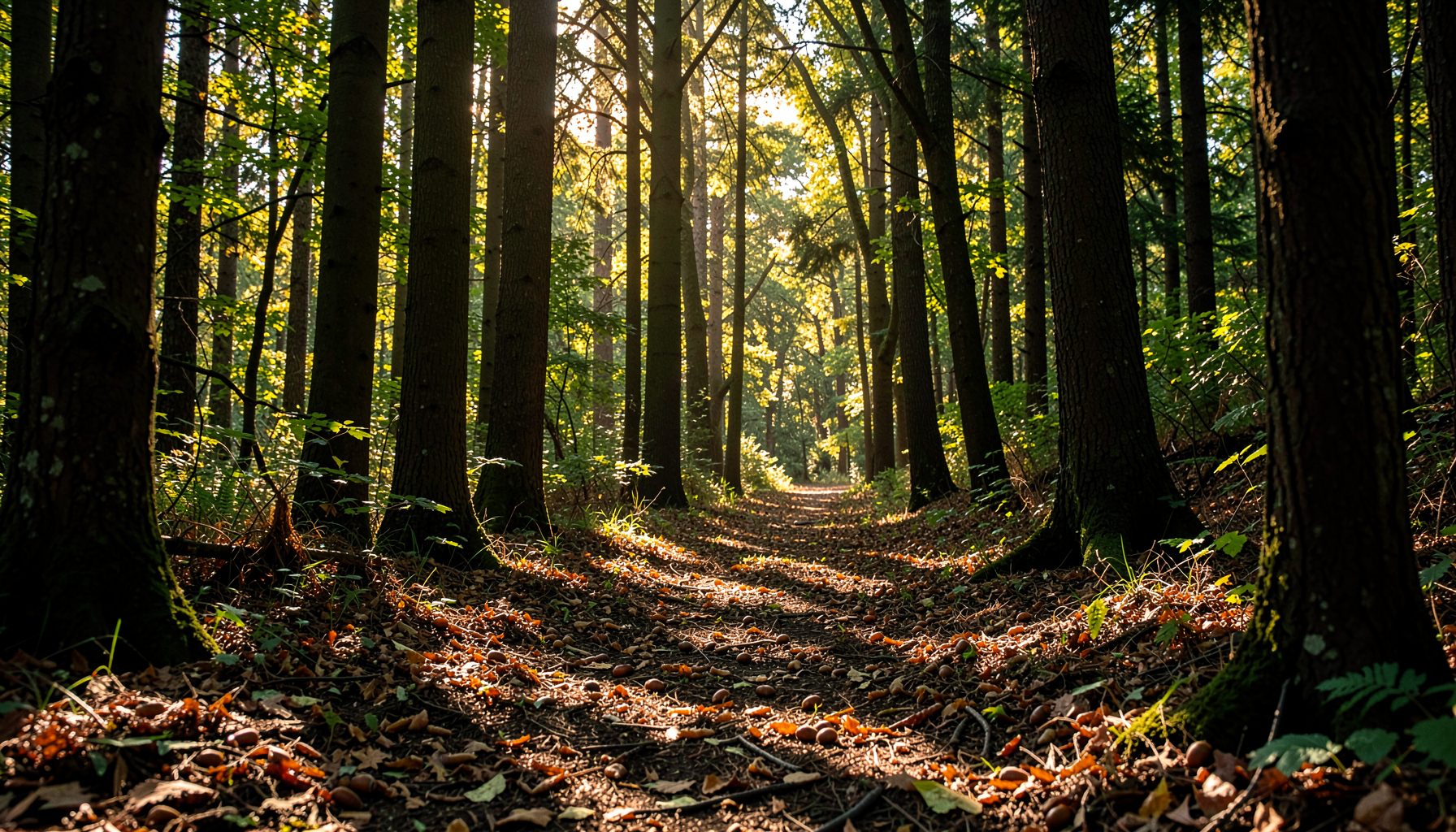
How to Create a Social Media Campaign Celebrating Seed Collection
Seed collection is a small, visible action with a long ecological story behind it. An acorn or walnut gathered by a volunteer can eventually become a streamside tree, helping hold soil in place, shade waterways and support wildlife. A social media campaign can make that connection clear while giving people a reason to participate.
The strongest campaigns celebrate the people, places and practical knowledge involved. They show careful collection rather than simply presenting a bucket of seeds, and they explain how donations move through nurseries before becoming part of a healthier forest. This approach builds trust and gives each post educational value.
For an Australian audience, the message should feel locally familiar even when the work supports the Potomac River watershed in the United States. People may encounter the campaign through Instagram, Facebook, LinkedIn, TikTok, a school newsletter or a community group page. Content should therefore be visual, accessible on mobile devices and easy to share.
A useful campaign combines storytelling, short videos, clear calls to action and evidence of results. It can invite Australians to learn about native trees, support conservation from afar, or adapt seed-collection education for local schools and waterways without confusing the Potomac program with Australian restoration projects.
Define The Story Before Choosing Platforms
Begin with one central message: collecting native seeds is a practical act of watershed care. Avoid making the campaign sound like a generic environmental appeal. Explain what volunteers do, why timing matters, how seeds are handled and what happens after collection. A simple sequence such as “find, identify, gather, donate, grow and restore” gives the campaign a recognisable narrative.
Choose three or four supporting themes. Volunteer pride can spotlight families, workplaces and schools. Forest ecology can explain mast years, seed viability and the role of native hardwoods. Water quality can connect streamside planting with erosion control. Community impact can demonstrate how many people have contributed over time.
The campaign should also establish a visual identity. Use earthy colours, close-up photography of acorns and walnuts, recognisable volunteer clothing and consistent text placement. A small set of reusable templates will help a local community group or Australian workplace publish regularly without designing every post from scratch.
Build A Content Calendar Around The Seed Cycle
Plan content in phases rather than publishing random images. Before collection begins, share identification tips, preparation checklists and short profiles of the species being sought. During collection, publish field observations, volunteer portraits and responsible gathering practices. Afterward, show sorting, delivery, nursery care and the eventual connection to streamside restoration.
Australian followers are accustomed to planning around school terms, public holidays and weekend activities. Schedule family-friendly posts before Saturday events, publish workplace content during weekday mornings, and use AEST or AEDT labels when inviting people to online sessions. If the campaign reaches supporters across the United States, state both time zones instead of assuming that an evening livestream works for everyone.
Short vertical videos can show a volunteer identifying a tree, checking healthy seeds or explaining why damaged material is removed. Carousels work well for step-by-step lessons, while LinkedIn posts can focus on corporate volunteering and measurable outcomes. A weekly “seed story” can keep the campaign active between collection days without overstating the speed of forest restoration.
Make Education Accurate And Shareable
Educational content gives the campaign substance. A post might compare a viable acorn with one that is cracked, mouldy or insect-damaged, then direct viewers to the tree identification guide. Keep each lesson focused on one idea, use plain language and include alternative text for important images.
Responsible collection should be prominent. Volunteers need permission to gather seeds, should avoid damaging parent trees and must follow the rules of the land manager. Australian audiences will recognise the importance of checking national park, council and private-property requirements; the same principle applies to the Potomac watershed. Do not encourage people to collect Australian seed and send it overseas, as biosecurity requirements and ecological risks make that inappropriate.
Accuracy also means being careful with claims. A seed does not become a mature tree immediately, and a single planting event cannot repair an entire watershed. Use wording such as “supports future restoration” or “contributes to a long-term forest recovery effort”. This honesty makes celebratory content more credible.
| Content format | Best use | Example message | Suggested action |
|---|---|---|---|
| Short video | Show a process | “From woodland floor to nursery tray” | Watch and share |
| Carousel | Teach identification | “Three signs of a healthy acorn” | Save the guide |
| Volunteer portrait | Build belonging | “Meet the family collecting together” | Tag a teammate |
| Infographic | Explain impact | “How streamside trees protect water” | Read the story |
| Live session | Answer questions | “Seed collection with a restoration volunteer” | Register or attend |
| Workplace post | Encourage group action | “A lunch-break lesson in forest ecology” | Organise a team activity |
Turn Volunteers Into The Main Characters
People connect with conservation through human stories. Ask volunteers why they joined, what surprised them and which part of collection they enjoy. A child noticing different leaf shapes, a teacher using acorns in a science lesson or an employee spending a Saturday outdoors can each become a short, authentic feature.
Always secure informed consent before publishing names, faces, voices or identifiable locations. Be particularly careful with children: obtain permission from a parent or guardian and follow the school or organisation’s media policy. Australian organisations should also handle personal information consistently with the Privacy Act 1988 and their own privacy notices.
Invite participation without making the campaign competitive in a way that encourages careless collecting. A “share your seed moment” prompt can ask followers to post a sketch, identification lesson or reflection rather than a large haul. Use a branded hashtag that is short, easy to spell and distinct from unrelated commercial campaigns.
Stories about the organisation’s wider purpose can deepen the campaign. When explaining how volunteer activity fits into long-term conservation, link to the program's background, allowing supporters to understand the work beyond a single social post.
Show Evidence Without Losing The Warmth
Impact posts should combine numbers with meaning. Report volunteer hours, collection totals, participating groups or nursery outcomes when the figures have been verified. Then explain what those numbers represent: people learning local ecology, native seedlings being prepared for planting, or stream corridors receiving future protection.
A data point becomes more memorable when paired with a photograph and a human voice. For example, a graphic might state the number of volunteer contributions over a decade, followed by a quote from someone who has returned each season. Keep charts simple, label dates clearly and distinguish between seeds collected, seedlings grown and trees planted.
Use the campaign to correct common misconceptions. Seed collection is not a quick fix, planting density is not the same as survival, and a photo of a nursery tray does not prove that every seedling will reach maturity. Explaining these limits demonstrates respect for supporters and for the complexity of forest ecosystems. A history of results can be explored through the volunteer impact data.
Australian audiences often respond well to practical stewardship messages because waterways, bushland and urban green space are part of everyday life. Mentioning local councils, creek-care groups, Landcare networks or community gardens can help people see the relevance without implying that Potomac restoration methods can be transferred unchanged to every Australian landscape.
Plan Participation And Measure The Response
A campaign should tell people exactly what to do next. The action might be sharing an educational reel, attending a virtual talk, volunteering with a local restoration group, inviting a school class to study native seeds or making a donation. Give each post one primary action, since a list of competing requests can reduce participation.
For Australian organisations, check local requirements before running a public event or collecting material. Council approval may be needed for activities in parks or reserves, while private land requires the owner’s permission. If sending promotional email or text messages, follow the Spam Act 2003 and use consent-based mailing practices. Copyright permissions are also essential when reposting volunteer photographs, music or educational material.
Review performance at the end of each campaign phase. Track saves and shares for educational posts, completion rates for videos, registrations for events, link clicks and volunteer enquiries. Comments can reveal whether people understand the difference between collecting seeds for the Potomac program and supporting restoration in Australia.
Practical Campaign Recommendations
- Create a simple visual journey from tree identification to nursery care and future planting.
- Publish consented volunteer stories that show different ages, backgrounds and types of participation.
- Use captions, alt text and subtitles so the campaign is accessible without sound.
- Schedule posts around Australian school terms, weekends and AEST or AEDT viewing habits.
- Verify ecological claims, collection rules and impact figures before publication.
- End each post with one clear action, such as saving a guide, sharing a story or registering for an event.
A thoughtful seed-collection campaign can turn seasonal activity into an enduring invitation to care for forests and waterways. Start with one accurate story, gather permission from the people featured, and publish a clear first post explaining how a small seed can support a much larger restoration effort. Invite your school, workplace or community group to follow the journey, share the learning and take part in the next opportunity to grow native forests.