Choosing Native Canopy Trees to Shelter Streamside Seedlings
Around the Potomac watershed, a quiet movement is unfolding in autumn gullies and riverbanks. Volunteers wade through leaf litter, gathering acorns and walnuts from mature hardwoods, donating their collections to state nurseries so the next generation of streamside seedlings can be raised for stream restoration. Among the many decisions growers and planters face, one of the most consequential is which native canopy species will eventually shelter those young seedlings from the harsh realities of full sun, summer drought, and competing weeds.
Streamside seedlings face a uniquely demanding start. They are typically planted into riparian corridors where the soil is often freshly graded, the canopy has been cleared, and the water table can rise sharply after a storm. Without overhead protection, the leaf area of a one-year-old sapling can scorch within a single July afternoon, and root systems struggle to keep pace with evaporation from the bare soil around them. Choosing the right shade-giving overstory is therefore less about aesthetics and more about engineering a microclimate that holds moisture, buffers temperature, and keeps competing turf in check.
This piece walks through the most dependable native trees for filtering sunlight onto young streamside stock, from long-lived oaks to faster-growing maples and birches. It also touches on the underappreciated role of hickories and walnuts, and finishes with practical guidance for volunteer plantings anywhere a riverbank needs shade. Readers along the Murray, the Yarra, or any other Australian waterway will find plenty of parallels, since the same microclimate logic applies under eucalypts, paperbarks, and she-oaks.
Why Shade Matters for Young Streamside Seedlings
Newly planted streamside seedlings are, in ecological terms, sitting ducks. Their root balls are small, their stems are thin, and the surrounding soil has usually lost the spongy structure that mature forests take decades to build. Direct sun from mid-morning onward can push leaf temperatures past the point where photosynthesis is efficient, and the transpiration demand can outstrip what a stressed root system can deliver. The result is wilting, marginal leaf burn, and a mortality rate that often surprises first-time planters.
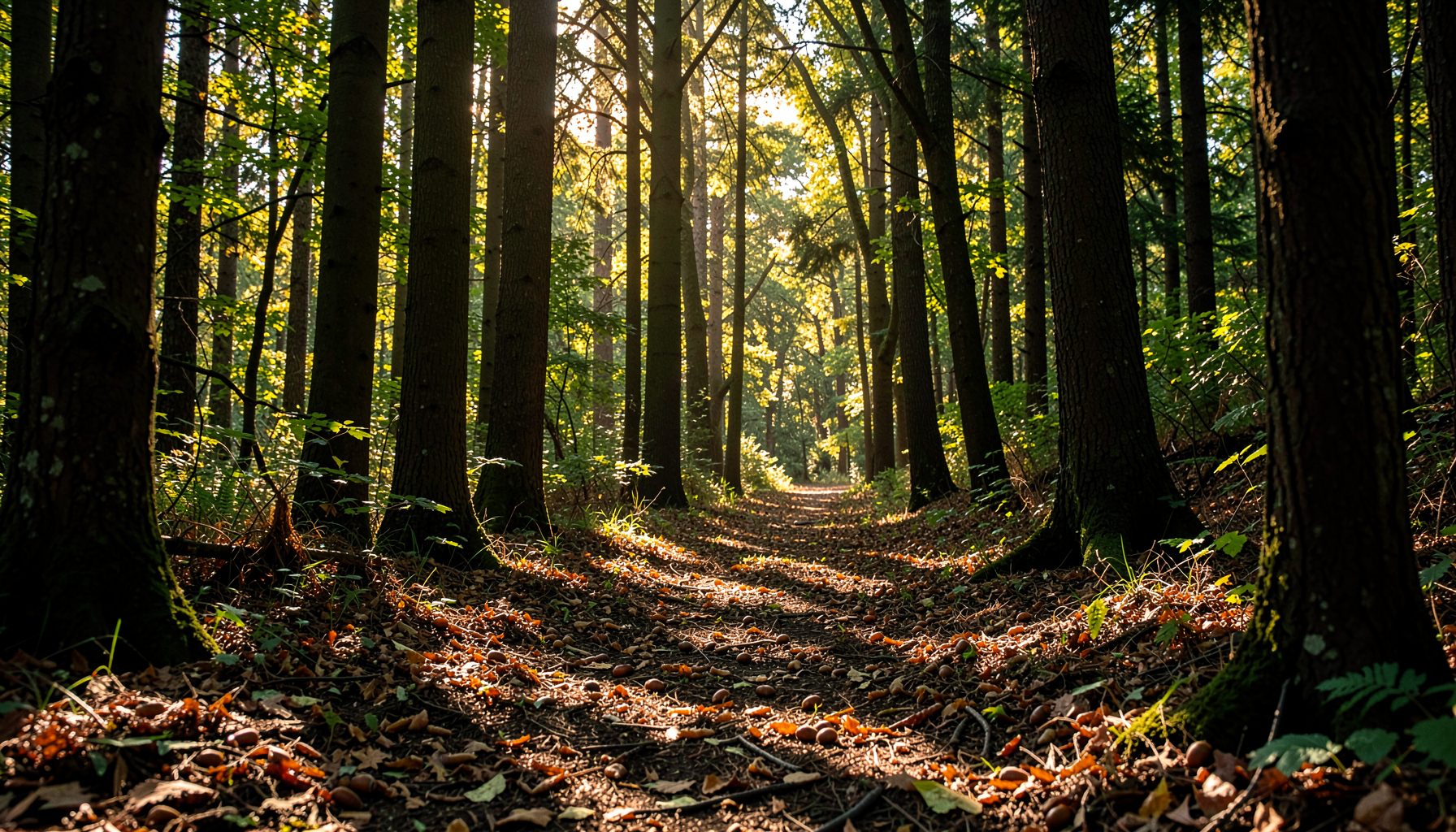
A well-chosen canopy tree does several jobs at once. Its leaves intercept a portion of the incoming radiation, so seedlings below receive filtered, dappled light rather than the full glare of an open field. The same leaves, when they fall, build a litter layer that holds moisture, slowly releases nutrients, and shades out the weeds that would otherwise smother the young stock. Even the trunk itself helps: by drawing water from deep in the soil profile, a mature tree can lower the local water table slightly, reducing the waterlogging that drowns roots during heavy Potomac storms.
Australian readers working along the Murray-Darling Basin will recognise the same logic in red gum woodlands. A mature river red gum casts a coarse, slightly open shade that suits most native groundcovers and seedlings, and its leaf litter builds soil structure that would otherwise wash away in a single flood. Volunteers with Landcare groups notice the same pattern, and the canopy choice tends to drive nearly every other decision downstream of it.
Oaks: Cornerstones of Streamside Shade
When it comes to dependable, long-lived streamside shade, no group of natives matches the oaks. White oak, swamp chestnut oak, and willow oak all tolerate the periodic saturation of riverbanks, and their broad, deeply lobed canopies cast a moderately dense shade that suits most understory seedlings. A mature white oak can keep its leaves well into November, providing months of extra shelter for stock that is still hardening off before winter.
Beyond their value as living umbrellas, oaks support a hidden army of leaf-eating insects. A summary on the oaks and moths piece notes that a single oak species can host more than five hundred kinds of moths and butterflies, which in turn feed the insectivorous birds that patrol a healthy streamside buffer. Choosing oaks is therefore a way of building shade and biodiversity at the same time.
For volunteer seed collectors, the practical rhythm is straightforward. Acorns are gathered in early to mid-autumn, kept cool and moist, and delivered to partner nurseries before they dry out. Because oaks hold their leaves late and often retain dried ones through winter, they continue providing shade even when deciduous neighbours have dropped theirs, which can be a quiet but real advantage for late-season seedlings.
Fast-Growing Decidables for Quick Shelter
Oaks are slow. Even under ideal conditions, a swamp white oak might only add thirty or forty centimetres of height in its first year, which means the seedlings planted beneath it must wait a long time for meaningful overhead cover. To bridge that gap, growers often interplant faster deciduous natives that throw up a temporary canopy within a handful of seasons.
Silver maple is the classic choice for wetter riparian soils. It grows almost as quickly as a willow, and its broad, pale-backed leaves produce a particularly bright dappled shade that suits many understory shrubs. Box elder is another workhorse in this role, tolerating compacted soils and erratic flooding where fussier species would sulk. Neither tree will live as long as an oak, but both can be thinned or culled later once the slower, longer-lived species have grown into their space.
River birch deserves a special mention. Its tolerance of saturated ground, peeling bark, and airy crown make it a favourite along restoration projects in the Mid-Atlantic. The light it casts is more open than that of a maple, which works well for shade-loving seedlings that still need a decent dose of sunlight to build their own root reserves. Together, these fast deciduous options buy time for the slower canopy to mature, a tactic that translates well to Australian plantings where a fast-growing flooded gum can shelter slower blackbutts and tallowwoods in their first decade.
Hickory and Walnut: Long-Term Canopy Partners
Hickories and walnuts bring a different flavour to a streamside planting. Their leaves are compound and slightly textured, casting a finer, more broken shade than the broad leaves of maples. That kind of light suits many native shrubs and sedges that dislike heavy shade but cannot tolerate full sun either. Shagbark hickory, pignut hickory, and black walnut are all comfortable in the heavier, loamy soils found along mature floodplains.
These trees also enrich the soil in ways that oaks alone cannot. Walnut and hickory leaves break down into a rich, dark litter that supports a deeper layer of fungal life, which in turn helps seedling roots form the partnerships they need to take up phosphorus and other limiting nutrients. The mast crops they produce every few years feed squirrels, turkeys, and a long list of beetles, all of which contribute to the food web that surrounds a streamside buffer.
For volunteers curious about how their seed-collecting fits into the wider program, the About page lays out which species are currently priorities and how collected nuts reach the nursery benches. The role these long-lived partners play in any streamside planting is much the same as the role casuarinas, often called she-oaks, play along Australian creeks: slow starters, but the trees that define a site for the next two centuries.
Streamside Specialists for Saturated Soils
Some stretches of a stream corridor stay wet through most of the year. For these sites, ordinary upland hardwoods will not survive, and choosing species that actually like wet feet is essential. American sycamore, sweetgum, swamp white oak, and green ash are the traditional picks for these conditions, each one able to cope with roots that sit in saturated soil for weeks at a time.
Sycamore in particular is hard to beat for sheer canopy area. A mature tree can spread its crown across a small paddock, and its large, palmate leaves cast a cooling, almost tropical shade that keeps the forest floor damp even in August. Sweetgum offers a slightly finer texture and the bonus of spiky seed balls that feed bluebirds and wood ducks through winter. Where the bank is eroding, the dense fibrous root mats of these species also help knit the soil back together, slowing the loss of sediment into the channel.
Planting the right specialist in the right spot matters more than any other decision in a streamside project. A swamp white oak in a dry upland soil will simply fail, while a sycamore in compacted clay will languish. The same logic applies in Australia, where swamp mahogany and various paperbarks step into the role sycamore plays here, tolerating waterlogged soils that would kill less adapted species. Site assessment should always come before species choice, and on the wettest ground, fast-growing specialists are the ones that will give young seedlings the shelter they need to survive their first few summers.
Practical Recommendations for Volunteer Plantings
A few grounded suggestions for anyone planning a streamside planting this season:
- Match the species to the wettest part of the site first; sycamore and swamp white oak outperform upland oaks on saturated ground, while white oak and shagbark hickory do better on loamy banks that drain within a day after rain.
- Use fast deciduous species like silver maple or river birch as temporary canopy above slower oaks and hickories, then thin them once the long-lived trees have grown into their space.
- Collect acorns and walnuts in the window when caps loosen easily, and get them to a state nursery within a week so viability stays high.
- Aim for a layered planting rather than a single-species row, because mixed canopies cast more even shade and support a wider range of insects and birds.
- Check the Growing Native seed priority list before collecting, because nurseries often need certain species in larger numbers than others in any given year.
- Walk the site after the first big storm to see where water actually ponds, and place your most flood-tolerant species in those spots rather than guessing from a topographical map.
If you have read this far and feel the tug to pull on a pair of gardening gloves, your nearest streamside gully is waiting. Pull up a chair under a big oak, look at the dappled shade beneath it, and imagine the seedlings that could thrive there in five years' time. Then head out in autumn, fill a bag with acorns, and play your small but real part in shading the next generation of streamside seedlings. Volunteer groups along the Murray, the Yarra, or any local creek can do the same with their own native seeds, since the principles that protect a Potomac sapling are the same ones that protect a red gum seedling anywhere a creek meets the sun.