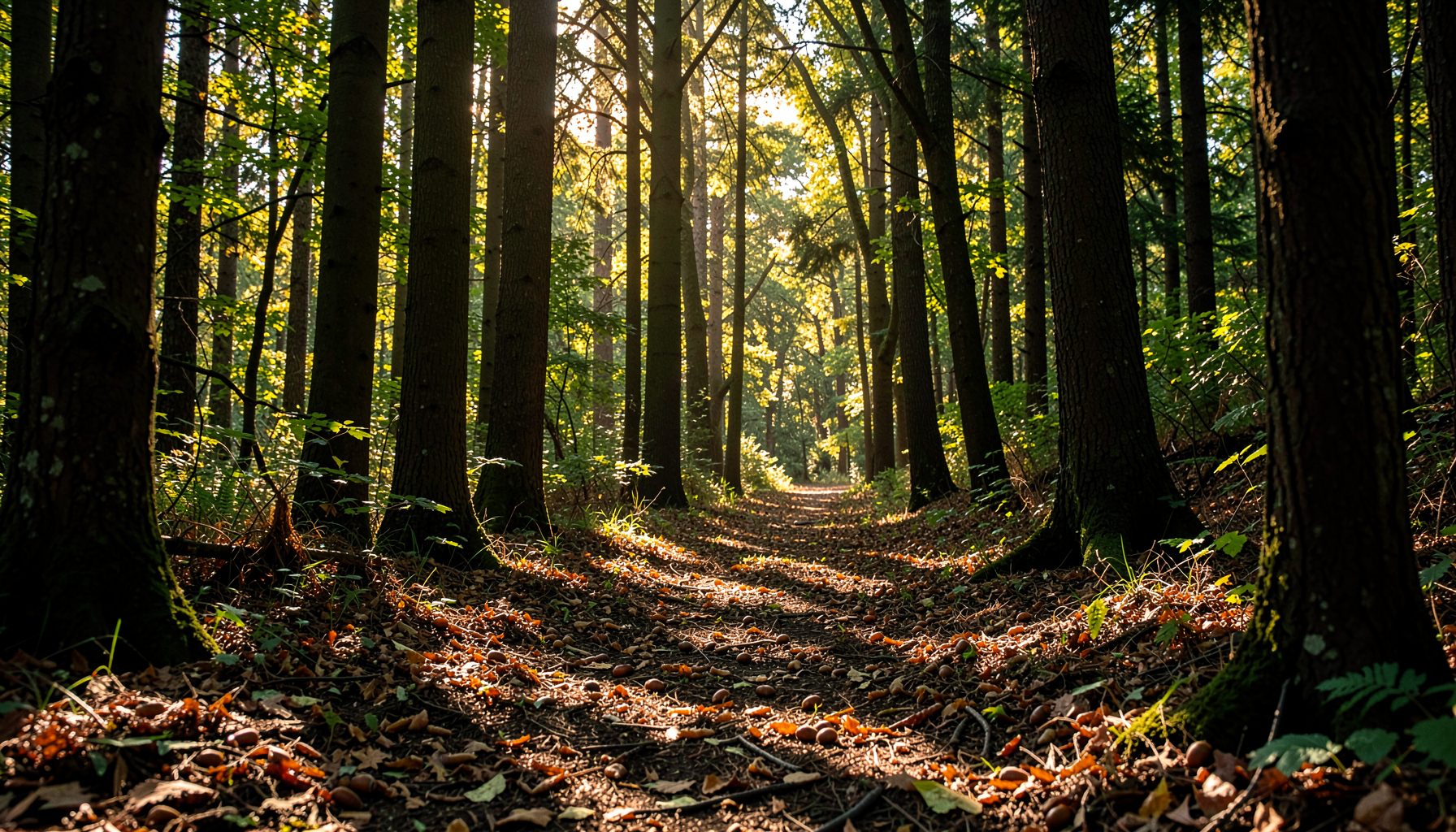
Why Upstream Forests Matter to Washington D.C. Residents
Washington, D.C., sits near the mouth of a much larger ecological system. The Potomac River does not begin at the city line, and the condition of its water is shaped by forests, farms, streams, and communities across Maryland, Virginia, West Virginia, and Pennsylvania. What happens far upstream eventually affects the people, wildlife, and public spaces of the nation’s capital.
That connection can be easy to overlook. A wooded hillside in the Allegheny Mountains or a streambank in western Maryland may seem distant from a city neighborhood, yet both can influence drinking water, flooding, recreation, and the health of the river flowing past the National Mall. Caring about upstream forests means recognizing that watershed protection is shared work.
Healthy forests also provide an opportunity for meaningful local action. Residents can learn how native trees function, support restoration programs, and help collect the seeds that become future streamside forests. These efforts connect everyday stewardship in the city with long-term improvements throughout the Potomac River watershed.
The Watershed Begins Beyond City Limits
A watershed is the land area that drains toward a common body of water. In the Potomac system, rainfall that lands on roads, fields, slopes, and forest floors eventually moves into small creeks, tributaries, and the main river. The District is downstream from all those landscapes, so its environmental health depends partly on decisions made many miles away.
Upstream forests slow rain before it reaches waterways. Leaves and branches intercept precipitation, while roots and forest soil absorb and filter water. This natural process reduces the speed and volume of runoff entering streams after storms. When forests are cleared or streamside vegetation is damaged, water moves faster across compacted ground, carrying sediment and pollutants with it.
The river’s condition is therefore a cumulative result of many small places. A single eroding bank may have limited impact, but thousands of weakened banks, exposed soils, and paved surfaces can change water quality across the watershed. Forest conservation upstream helps protect a resource shared by every community downstream.
Forests Help Safeguard Drinking Water
The Potomac River is a major source of drinking water for the Washington metropolitan region. Water utilities treat river water before it reaches household taps, but treatment works best when the source is protected in the first place. Intact forests can reduce the amount of sediment, nutrients, road pollutants, and other contaminants entering tributaries.
Forest soils act like a living filter. Organic matter creates spaces that allow water to soak into the ground, while microorganisms and plant roots help retain or transform certain pollutants. Vegetation along streams also shades the water, moderates temperature, and stabilizes banks. These services make clean water more achievable and can reduce pressure on downstream treatment systems.
Watershed education resources can help residents understand the links among tree identification, forest ecology, and water quality. That knowledge matters because public support for land protection often begins with seeing how an upstream forest affects something immediate: the water flowing from a kitchen faucet or the river beside a commuting route.
Roots, Canopies, And Flood Protection
Flooding is a concern for Washington, D.C., especially during intense storms and periods when the Potomac and Anacostia rise quickly. Upstream forests cannot prevent every flood, but they can influence how much water reaches streams at once. A forested landscape generally absorbs more rainfall and releases it more gradually than a heavily developed or severely degraded one.
Tree roots reinforce soil on slopes and along waterways. Trunks, fallen branches, leaf litter, and groundcover slow moving water, allowing sediment to settle instead of washing downstream. These natural features can protect farms, roads, bridges, and neighborhoods while improving the physical structure of streams.
Native shrubs are important in this process because their dense root systems occupy the lower bank where erosion often begins. The role of these plants is explained in riverbank stability research, which shows why restoration should include a layered community of trees, shrubs, grasses, and other native vegetation rather than relying on isolated large trees.
| Upstream forest function | Benefit for downstream communities |
|---|---|
| Intercepts rainfall | Slower runoff and less stormwater entering streams at once |
| Holds soil with roots | Reduced erosion and sediment in the Potomac |
| Filters water through forest soil | Lower pollutant loads before treatment |
| Shades tributaries | Cooler water and better conditions for aquatic life |
| Stores carbon and supports biodiversity | Greater climate resilience and healthier ecosystems |
| Provides seed sources for restoration | More native trees and shrubs along damaged waterways |
The value of these services becomes particularly clear after heavy rain. Muddy water, floating debris, and swollen tributaries reveal how connected the watershed is. Restoring forest cover upstream is a preventive investment that supports safer, cleaner waterways downstream.
Native Forests Support Wildlife And Climate Resilience
The Potomac watershed is habitat for fish, turtles, amphibians, birds, pollinators, and mammals. Forest corridors allow wildlife to move between larger protected areas, while streamside vegetation provides nesting cover, food, shade, and shelter. When development fragments these corridors, animals lose both habitat and safe routes through the landscape.
Native trees and shrubs are especially valuable because they evolved alongside regional wildlife. Oaks, hickories, walnuts, dogwoods, and other local species support complex food webs. Their seeds, flowers, leaves, and fruit feed insects and birds at different times of year, helping sustain biodiversity across the seasons.
Forests also moderate the effects of a changing climate. Large trees store carbon, shade streams during hotter periods, and cool nearby air through transpiration. Diverse native plant communities are better positioned to recover from drought, severe storms, pests, and disease than simplified landscapes dominated by a few nonnative species.
For city residents, these benefits extend into urban life. Cleaner waterways improve parks and recreation, while healthier regional forests can reduce heat, protect scenic landscapes, and strengthen the ecological systems that surround the capital. Upstream conservation is climate adaptation at the scale of an entire watershed.
Restoration Starts With Seeds And Community
Many restoration projects begin with a small and practical task: collecting healthy native seeds. Acorns, walnuts, nuts, and seeds from locally adapted trees and shrubs can be sent to nurseries, where they are grown into seedlings for streamside planting. This approach creates a direct connection between existing forests and future restoration sites.
Seed collection is accessible to people who may not have specialized equipment or extensive conservation experience. Volunteers can learn to identify native species, gather seeds responsibly, record useful information, and support the next stage of the growing cycle. Families, schools, workplaces, and community groups can participate together.
Programs that involve young people can make conservation especially tangible. Scout conservation activities demonstrate how seed collection can build ecological knowledge, teamwork, and a sense of responsibility for local waterways. Similar projects can help students connect lessons about biology and geography to the forests surrounding their communities.
Washington residents can also support upstream forests by choosing native plants for yards, school grounds, gardens, and community spaces. Protecting mature trees, reducing unnecessary lawn areas, keeping leaves and soil in place, and avoiding the spread of invasive plants all contribute to watershed health. Local actions do not replace regional restoration; they reinforce it.
Practical Ways To Support A Healthier Watershed
People do not need to own land beside a river to make a useful contribution. Consistent choices in the city can reduce pollution and create demand for conservation. They can also build public understanding, which is essential when communities decide how to invest in parks, stormwater infrastructure, land protection, and restoration.
Useful steps include:
- Volunteer for native seed collection, tree planting, stream cleanups, or habitat monitoring.
- Learn to identify local hardwoods and shrubs so that native plants can be protected and propagated.
- Plant regionally appropriate native species and avoid invasive plants that displace forest communities.
- Keep litter, fertilizer, pet waste, and motor fluids out of storm drains and waterways.
- Support policies and organizations that protect forests, wetlands, stream buffers, and drinking-water sources.
Residents can make these actions social as well as personal. A neighborhood group might organize a native planting day, a school could pair tree identification with a watershed lesson, and a workplace could sponsor volunteers for a regional restoration event. Shared participation turns an abstract river system into a network of relationships among people and places.
Carrying Stewardship Upstream
The health of Washington, D.C., is tied to forests that many residents may never visit. Those forests influence the water in the Potomac, the severity of runoff, the stability of streambanks, the movement of wildlife, and the region’s ability to respond to climate stress. Protecting them is a practical form of caring for the city itself.
Growing Native helps transform that connection into action by linking volunteers with seed collection and education that support future streamside forests. Explore its learning materials, gather a group, and take part in restoration work that carries the benefits of healthy forests from upstream landscapes to the communities downstream.