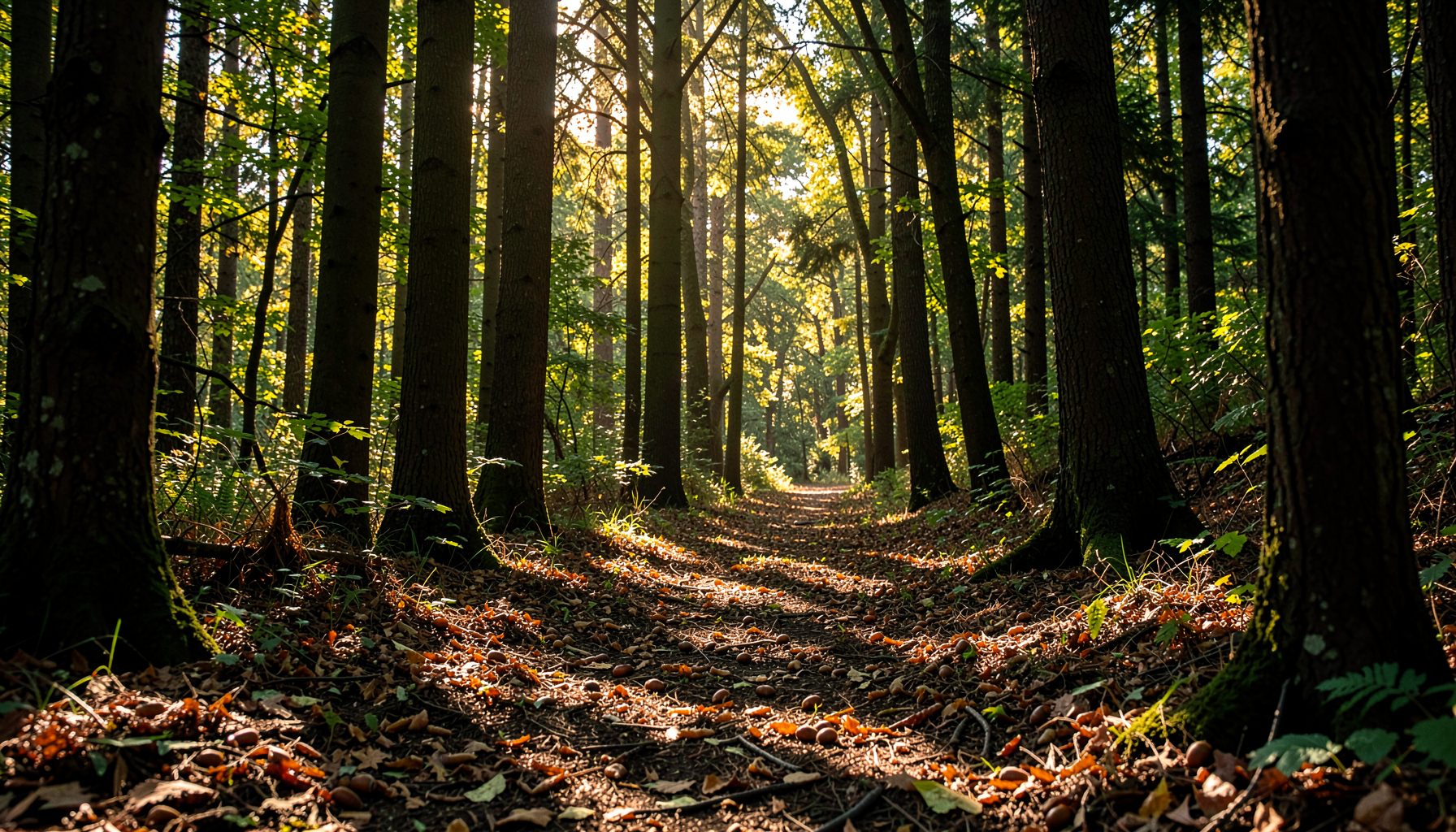
How Native Trees Help Reduce Flood Risk
Heavy rain becomes dangerous when water reaches the ground faster than soil, streams, and drainage systems can absorb or carry it. In a watershed with few trees, rainfall can rush across compacted surfaces, erode streambanks, and push rivers toward sudden, damaging peaks. Native trees help interrupt that process at several stages, from the forest canopy to deep layers of soil.
Their value extends beyond individual properties. A connected network of wooded hillsides, stream buffers, wetlands, and urban plantings can slow runoff across an entire watershed. The Potomac River watershed benefits when native hardwoods and shrubs are established in places where they can stabilize soil, shade waterways, and support long-term forest recovery.
Flood protection is one part of a larger environmental system. Healthy native forests also improve water quality, provide wildlife habitat, store carbon, and create more resilient landscapes. Understanding how these benefits fit together can help communities choose effective restoration projects and participate in practical conservation work.
How trees interrupt heavy rainfall
A mature tree intercepts a portion of rainfall on its leaves, branches, and trunk. Some of that water evaporates back into the atmosphere, while the remainder reaches the ground more gradually. This delay may seem modest during a single storm, but across a wooded slope or stream corridor, it can reduce the speed and volume of water entering drainage channels.
The forest floor adds another layer of protection. Leaf litter, fallen twigs, and decomposing organic material create a rough surface that slows moving water. Instead of forming fast, concentrated sheets, rainfall spreads across small depressions and has more time to soak into the ground. This reduces the likelihood that a storm will carve rills and gullies through exposed soil.
Tree cover also protects soil from the direct force of raindrops. Intense precipitation can break apart bare soil particles, sealing the surface and making infiltration harder. Canopies and understory plants soften that impact, preserving soil structure and helping the ground absorb later rainfall.
Roots build a more absorbent landscape
Roots create channels through soil as they grow, decay, and interact with organisms. These pathways allow water to move below the surface rather than immediately flowing downhill. Deep roots can reach compacted layers, while smaller roots near the surface hold soil aggregates together and improve the ground’s capacity to accept water.
A strong root network is especially important on slopes and along streambanks. It binds soil against the shearing force of runoff and rising water, reducing bank collapse and sediment pollution. Sediment can fill stream channels, damage aquatic habitat, and reduce the space available for floodwater to move safely.
Native species are well suited to the soils, seasonal patterns, and wildlife communities of their region. A diverse planting that includes canopy trees, smaller trees, shrubs, and herbaceous plants generally offers more stable coverage than a narrow selection of ornamental species. Different root depths and growth habits allow the vegetation to protect several soil layers at once.
Streamside forests create room for water
Trees along creeks and rivers form riparian buffers that slow runoff before it enters the channel. Their roots reinforce banks, while branches and fallen woody material add resistance to fast-moving water. During high flows, this roughness can help spread energy across the floodplain instead of allowing water to accelerate through a confined channel.
Shade from streamside vegetation keeps water temperatures lower, which benefits fish and aquatic insects. Leaves and woody debris also provide food and shelter within the stream ecosystem. Cleaner, cooler water is an important sign that erosion control and flood resilience are working together rather than operating as separate goals.
Restoring these areas requires careful planning. Planting the right species in the right location matters, as does protecting young trees from browsing, mowing, invasive plants, and accidental damage. Growing Native provides watershed education that helps volunteers and communities understand tree identification, forest ecology, and the relationship between land management and water health.
From collected seed to living flood protection
Restoration often begins with a small act: collecting acorns, walnuts, or other native seed from healthy local trees. Volunteers can help gather this material during the appropriate season, identify parent trees, and handle seeds carefully so they remain viable. Local collection supports genetic diversity and connects people directly with the landscapes they are working to protect.
The seeds are then donated to state nurseries, where they can be cleaned, stored, germinated, and raised into healthy seedlings. These facilities provide the expertise and growing conditions needed to produce large numbers of trees for conservation planting. The program’s explanation of state nursery partnerships shows how volunteer-collected seed becomes a practical resource for restoration.
Once planted, seedlings need time and care before they provide the full benefits of a mature forest. Early maintenance may include watering during dry periods, controlling competing vegetation, replacing failed plants, and using protective measures against wildlife. Flood resilience therefore depends on a long-term process rather than a single planting day.
| Landscape feature | Response during heavy rain | Flood-related benefit |
|---|---|---|
| Bare or compacted ground | Produces rapid surface runoff | Increases erosion and downstream flow |
| Dense leaf litter | Slows and spreads rainfall at the soil surface | Improves infiltration and reduces soil loss |
| Deep tree roots | Creates soil channels and reinforces slopes | Stores more water and limits landslides |
| Streamside forest | Adds roughness and stabilizes banks | Reduces channel erosion and sediment movement |
| Diverse native planting | Provides layered coverage through seasons | Builds durable watershed protection |
Forest diversity strengthens resilience
A flood-resilient planting should reflect the structure of a functioning forest. Tall canopy trees capture rainfall above smaller trees and shrubs. Understory plants cover gaps near the ground, while leaf litter protects the soil between root systems. This layered arrangement is more effective than isolated trees surrounded by turf or exposed soil.
Species diversity matters because weather, pests, disease, and changing climate conditions affect trees differently. If a planting relies heavily on one species, a single threat can create a large gap in the canopy. A mix of native oaks, hickories, walnuts, maples, river birches, dogwoods, and appropriate shrubs can distribute risk and support a wider range of wildlife.
The goal is not to place trees everywhere. Open habitats, utility corridors, roadsides, and developed areas may require different approaches. Restoration should account for floodplain boundaries, existing vegetation, infrastructure, invasive species, and future maintenance. In the right places, however, native trees are a cost-effective complement to wetlands, rain gardens, permeable surfaces, and other stormwater practices.
Community action turns restoration into stewardship
Volunteer seed collection expands the reach of professional conservation programs. Individuals can learn to recognize native trees, families can participate in seasonal outdoor activities, and schools can connect biology lessons with local watershed needs. Community groups and workplaces can also organize collection events or help care for young plantings.
Education makes these activities more meaningful. When people understand how an acorn may become a streamside tree several years later, flood control becomes easier to see as a shared, long-term responsibility. Growing Native’s tree learning resources can support lessons and field activities focused on identification, ecology, and conservation.
Participation also builds local knowledge. Volunteers notice which areas erode after storms, where invasive plants are spreading, and which native trees are thriving. Those observations can help conservation partners prioritize future seed collection, nursery production, and planting projects across the Potomac watershed.
Practical ways to support flood-resilient forests
Effective action can begin with manageable steps, whether a person has a backyard, access to community land, or only a few hours to volunteer. The most useful contribution is one that fits local conditions and can be sustained over time.
- Join a native seed collection event during the proper harvest season.
- Learn to identify local hardwoods and shrubs before gathering or planting seed.
- Protect streamside areas from mowing, dumping, soil disturbance, and invasive plants.
- Support young trees with watering, mulching, monitoring, and replacement when needed.
- Share watershed education with schools, neighborhood groups, and workplace teams.
Healthy forests reduce flood risk by slowing rainfall, strengthening soil, and giving waterways more room to handle stormwater. Their protection begins well before a seedling reaches the streambank, with informed collection, careful nursery cultivation, suitable planting, and years of community care. By volunteering with Growing Native or supporting its restoration work, people can help turn native seeds into healthier forests and safer, cleaner waterways throughout the Potomac River watershed.