How climate change is reshaping acorn production cycles
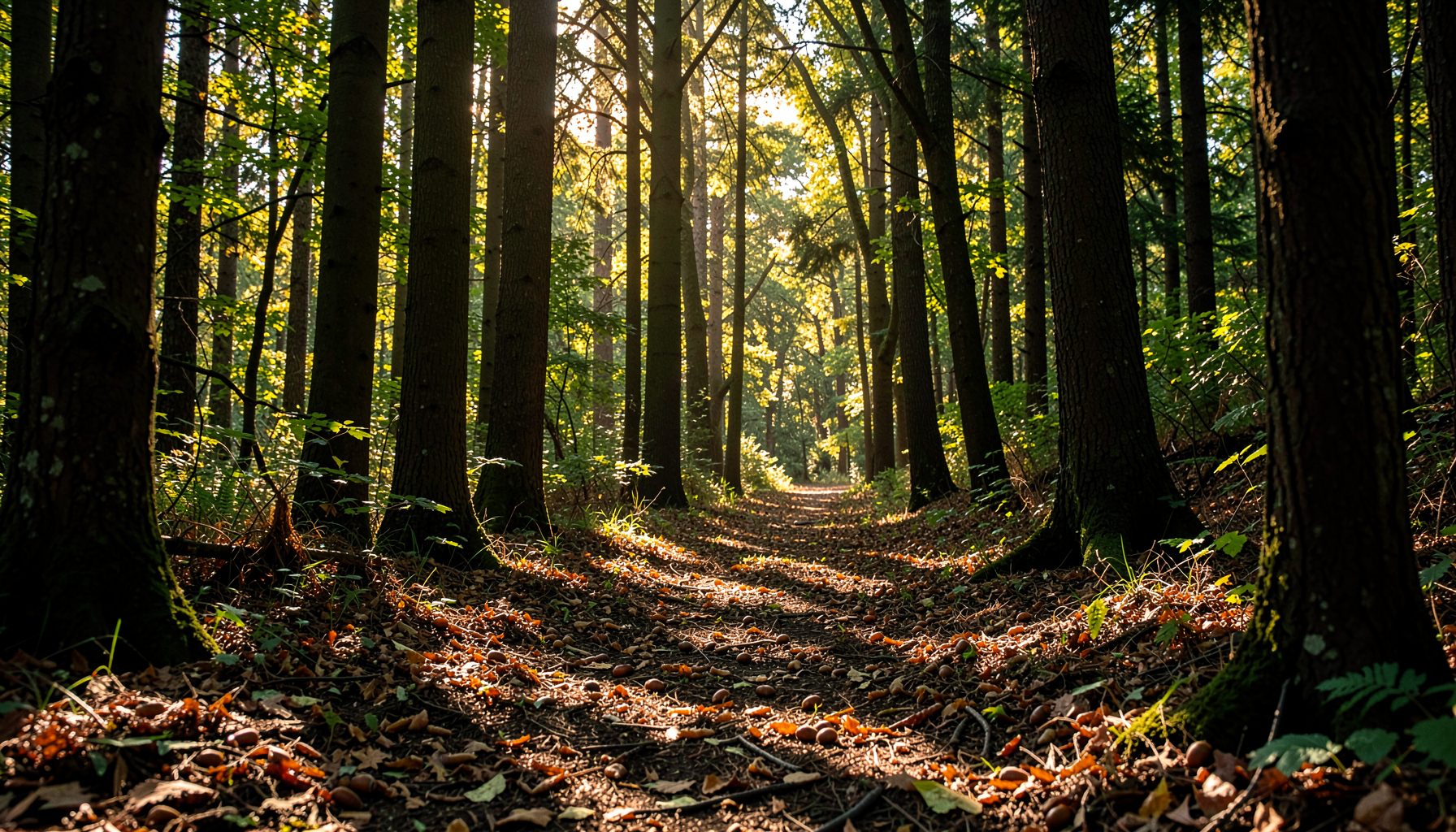
Forests across temperate regions depend on a quiet, rhythmic phenomenon: the periodic heavy cropping of acorns from oak trees. These pulses of seed, often called mast years, fuel everything from wild turkey broods to the next generation of towering canopy trees. When the rhythm falters, the consequences ripple through entire ecosystems.
At Growing Native, the focus on collecting native hardwood seeds is grounded in the belief that every healthy acorn has the potential to become a streamside seedling filtering runoff from farms, suburbs, and city streets. A missed collection window can mean an entire cohort of seedlings never makes it to a nursery bed.
That timing is becoming harder to predict. Warmer winters, erratic spring rains, and longer summer dry spells are shifting the cues oaks rely on to flower, pollinate, and ripen their nuts. Even in places far from the Potomac watershed where Growing Native's volunteers gather, similar pressures are forcing ecologists and foresters to rethink long-held assumptions about oak reproduction.
Australia offers a useful mirror. From the dry eucalypt woodlands of the Murray-Darling region to remnant pockets of introduced oak near towns like Ballarat and Daylesford, land managers are watching how altered rainfall patterns reshape seed cycles. In a country accustomed to drought declarations and bushfire recovery efforts, the conversation about climate-driven shifts in tree reproduction has real urgency.
The natural rhythm of mast years
Oak trees do not produce a steady crop of acorns every autumn. Instead, they tend toward boom-and-bust cycles, with bumper crops appearing every two to seven years. This irregular abundance is thought to overwhelm seed predators and ensure that at least some acorns survive to germinate. White oaks often produce heavy crops one year and very light crops the next, while red oaks tend toward slightly longer gaps.
For volunteer seed collectors, learning to read these patterns has always been part of the craft. Experienced gatherers know that an oak branch heavy with developing burs in late summer is a strong signal of a mast year. The trouble is that climate change is making those signals less reliable, with some regions reporting earlier ripening or scattered ripening across individual trees.
Long-term forest monitoring in parts of the United States has shown mast events clustering closer together, with bumper years arriving every two or three years rather than every five or six. Researchers link this to warmer spring temperatures that allow trees to allocate more energy to reproduction, but the same conditions also stress trees through summer drought, quietly depleting their long-term reserves.
Temperature, frost, and the timing of flowering
Oaks flower early in spring, and even a brief shift in temperature can alter when pollen sheds and when female flowers become receptive. Warmer winters are nudging these moments earlier in the calendar, sometimes by two or three weeks. When male and female flowers fall out of sync, fertilisation rates drop and acorn yields suffer.
Late frosts pose the opposite problem. A warm spell can trick oaks into early budburst, only for a sudden cold snap in late September or October to damage developing flowers. In Australia, horticulturalists in places like the Adelaide Hills and parts of Tasmania already grapple with frost risk affecting apple and cherry blossoms, and the same vulnerability applies to any deciduous tree grown outside its native range.
For seed collection programs, this means scouting trips may need to happen at different times than in past decades. Volunteer teams that once planned October outings may find the crop has already dropped by mid-September, or may still be waiting for burs to mature in late November. Adjusting these schedules requires flexibility, local knowledge, and good record-keeping.
Drought stress and the cost of reproduction
Producing a heavy acorn crop is energetically expensive. Trees draw on stored carbohydrates and water to develop flowers, ripen nuts, and fill them with the fats and proteins that wildlife depend on. When drought arrives during late spring through early autumn, trees often abort developing acorns or produce smaller, lighter nuts with lower germination rates.
Australia's recent history provides a sobering parallel. After the severe Millennium Drought, researchers studying river red gum and other native species documented sharply reduced seed crops and poor seedling establishment for years afterwards. The lessons learned from monitoring eucalypt regeneration in the Murray River floodplain are now informing how ecologists interpret drought impacts on oaks in other temperate regions.
The implication for reforestation is significant. A nursery that relies on donated acorns may find that years with the greatest need for seedlings coincide with years when local oaks produce very little seed. Building resilience means diversifying collection sites, storing surplus seed from good years, and cultivating relationships with growers across a wide geographic area. Growing Native's network of state nurseries and volunteer collectors plays an essential part in that strategy.
Rainfall, soil moisture, and seed quality
Beyond sheer quantity, climate change is influencing acorn quality. Studies suggest that nuts produced during dry years tend to be smaller, with thinner cotyledons and lower starch reserves. Weevils and other insects also appear to thrive under warmer conditions, increasing the proportion of infested or damaged acorns in any given harvest.
For volunteers sorting donations in a shed or garage, the practical difference shows up in the culling pile. Acorns that float in water, show small exit holes, or feel light for their size are routinely discarded, and warmer seasons are filling those discard buckets faster. Volunteers who master sycamore seed timing often find the same awareness lifts overall acorn collection success.
Ground-level rainfall also matters. Acorns lying on dry leaf litter for too long can desiccate before they have a chance to germinate or be gathered. Wet cycles bring their own complications, including fungal infections and premature sprouting. A stable, moderate moisture regime during the weeks between ripening and collection produces the highest quality seed, and that stability is becoming rarer.
Wildlife, food webs, and forest recovery
Acorns are a cornerstone food for countless species. When mast years fail, populations of squirrels, chipmunks, deer, wild turkeys, and bears can decline or shift their ranges in search of alternatives. Birds such as jays and woodpeckers, which rely on acorns for winter survival, may suffer higher mortality or produce fewer young the following spring.
These cascading effects matter for restoration. Forests recovering from disturbance depend on animals to scatter cached acorns, effectively planting the next generation of trees. A breakdown in this relationship can slow regrowth for decades, leaving streamside buffers thinner and erosion control weaker. The connection between healthy canopies and lower flood risk becomes harder to maintain when seed-eating wildlife populations are themselves under stress.
In Australia, where bushfire recovery often hinges on the resilience of seedbanks and resprouting vegetation, there is growing appreciation for how animal dispersers contribute to landscape recovery. Whether it is satin bowerbirds spreading rainforest fruits or cockatoos cracking open eucalyptus capsules, the principle of dispersal-driven regeneration is widely understood. Recognising that oaks rely on similar partnerships helps frame acorn production as a food web issue rather than just a tree issue.
Adapting collection strategies for an uncertain future
Volunteer seed collectors are adapting in practical ways. Many programs now keep detailed records of flowering dates, crop estimates, weather conditions, and germination rates from each collection event. These datasets, even when informal, become valuable baselines for tracking change over time. Monitoring seedling survival rates also contributes to a wider understanding of how climate-stressed seed translates into plantation performance.
Practical adjustments making a real difference
- Scheduling scouting trips earlier in the season, with follow-up visits to catch later-ripening trees
- Building relationships with multiple collection sites so a poor crop in one valley can be balanced by a good one nearby
- Training new volunteers in species identification and quality assessment
- Partnering with researchers or local councils to share weather and phenology data
These adjustments work best when paired with long-term commitment. A single season of data tells little, but a decade of careful notes can reveal how acorn cycles are shifting in response to local conditions.
Australian forests and shared lessons
Australia may not host vast native oak forests, but the country is no stranger to climate-driven seed cycle challenges. From Wollemi pine recovery efforts in the Blue Mountains to community-led revegetation in Melbourne's outer growth corridors, Australians understand that healthy waterways and healthy forests begin with reliable seed supply. The same commitment driving planting days along the Yarra, the Parramatta, and the Brisbane rivers fuels programs like Growing Native on the other side of the world.
Bringing these experiences together strengthens everyone involved. Australian volunteers who collect seeds from remnant native trees or assist with eucalypt propagation can share insights about timing, storage, and site selection. American counterparts offer lessons from decades of oak-focused work. Both communities face the same fundamental question: how do we keep forests and streams healthy when the rhythms beneath them are changing?
Australian parallels worth watching
- Reduced seed crops in river red gum following multi-year droughts along the Murray River corridor
- Shifts in eucalypt flowering times linked to warmer winters in the Adelaide Hills and parts of Victoria
- Bushfire impacts on seedbank survival and the role of animal dispersers in post-fire regeneration
- Community planting efforts along urban rivers such as the Yarra, Parramatta, and Brisbane
That question is not rhetorical. It is the working brief for anyone who has ever crouched under an oak tree, picked up a fat acorn, and wondered whether the season would be enough to fill the trays waiting at the nursery. The answer, for now, lies in showing up, year after year, with flexible plans and willing hands. Volunteer opportunities with Growing Native welcome individuals, families, schools, community groups, and workplaces ready to take part in seed collection, seedling monitoring, and streamside planting across the Potomac watershed. Sign up, gather some friends, and add your observations to the growing record of how forests adapt to a changing climate.