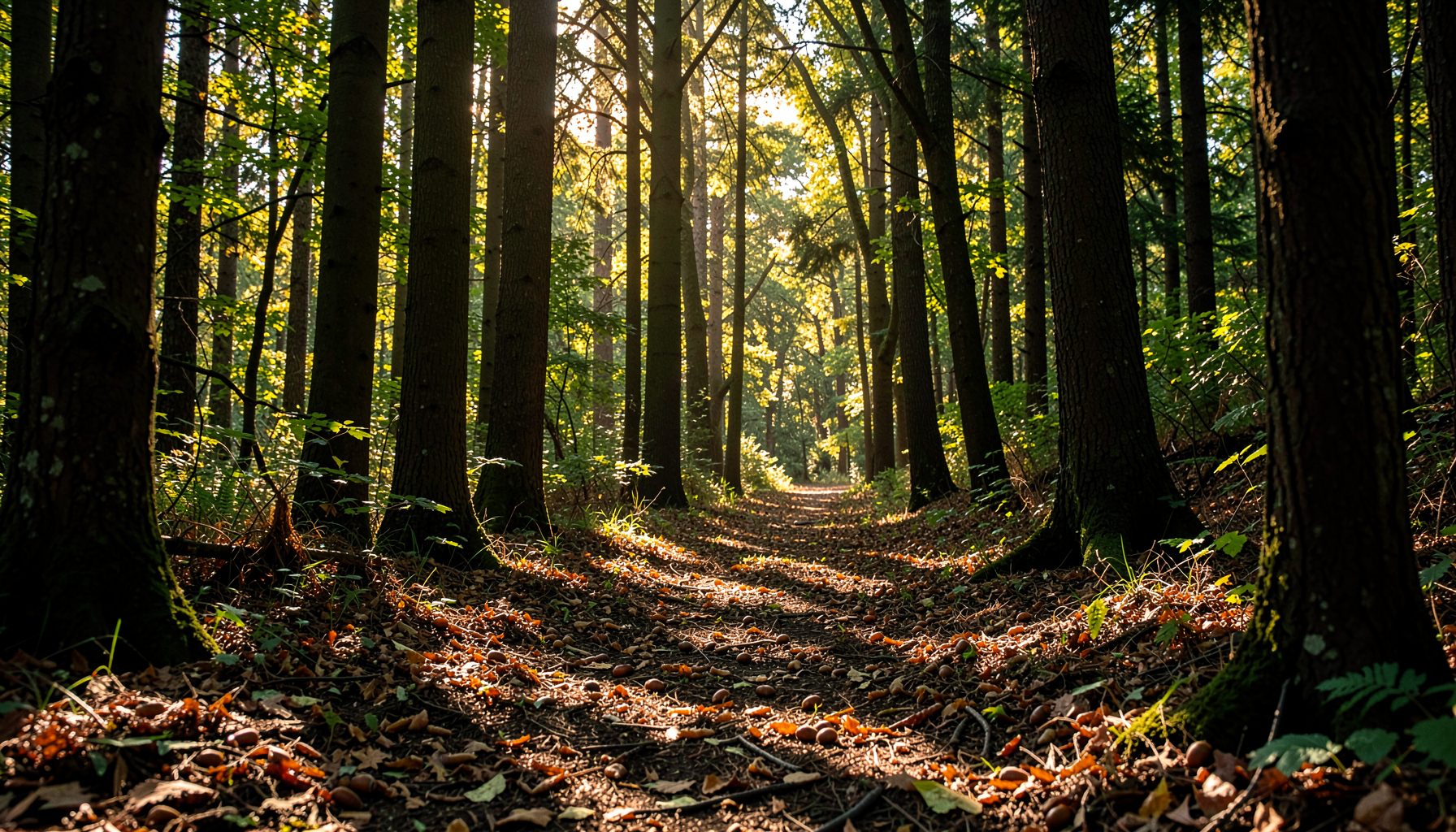
Choosing seed collection gear to match any terrain
Collecting native seed takes you into forests, wetlands, and rocky ridges, each with its own set of physical demands. Volunteers quickly learn that the right kit can mean the difference between a productive day and a tough slog through the scrub. Understanding how your tools respond to different ground conditions keeps both you and the seed safe.
Programs that supply seedlings to nurseries, like Growing Native, depend on collectors bringing back clean, viable material in good condition. That means thinking ahead about moisture, abrasion, and contamination, not just what fits in the ute. A bit of planning keeps seed viability high and your back uninjured.
From the mallee scrub of inland South Australia to the wet gullies of the Otways, terrain shapes every choice you'll make. Bushwalking along a ridge in the Blue Mountains calls for completely different preparation than collecting along a coastal creek in southern Queensland. Knowing the country matters as much as knowing the species.
Reading the country before you pack
Before loading the ute or strapping on a backpack, spend a few minutes thinking honestly about the ground you'll cover. Slope, soil firmness, vegetation density, and access distance all change what you should carry. A walk-in site might mean lighter tools and a smaller pack, while a remote ridge demands redundancy and durability.
Australian conditions are famously variable. A patch of remnant bush in suburban Sydney can look flat and friendly until you hit a hidden gully with loose basalt rocks. Conversely, the wide-open grazing country of the New England Tablelands feels exposed but rewards straightforward gear choices. Match your expectations to the real terrain, not the map.
Weather swings matter as much as topography. A clear morning in the high country can turn into a cold, windy afternoon, while a tropical site might cop a deluge before lunch. Pack for the worst credible shift, not the sunrise conditions. A spare layer in the pack costs nothing and saves the day more often than you'd think.
Flat, open ground and gentle slopes
Flat country with light cover is the friendliest setting for new collectors. Picker poles, long-handled secateurs, and a wide-mouthed canvas bag will handle most jobs. Lightweight aluminium or fibreglass poles let you reach into mid-canopy trees without dragging a ladder across the paddock.
Storage is straightforward when the ground is even. A crate in the back of the ute, lined with hessian or newspaper, keeps seed cool and shaded between trips. Volunteers around places like the Riverina or the Adelaide Hills often run a one-trip, one-species approach because access is easy and travel between trees is quick.
For groups, divide tasks clearly: one person on the pole, one catching or bagging, one logging data. This rhythm works well for school groups and Landcare crews alike, and reduces the chance of seed being crushed in a shared bag. Keeping the kit simple here means more time watching the canopy and less time untangling gear.
Steep slopes, scree, and rocky outcrops
Rocky terrain punishes careless kit choices. A loose grip or a clumsy pack can send secateurs bouncing down a hillside, and a fall on wet stone is no joke. Start with footwear: stiff-soled boots with serious tread are non-negotiable on places like the Grampians or the granite tors of the Bouddi Range.
Keep tools tethered. A simple wrist loop on secateurs and a holster for your picking pole prevents loss on a steep pitch. Bags should be worn on the front rather than swinging from the hip, so your centre of gravity stays over your boots. Many bush regenerators favour a low-profile chest pack because it keeps weight close and hands free.
Pole selection matters more here than anywhere else. Telescoping poles are tempting, but joints can fail under stress. A single-piece aluminium pole of the right length is usually stronger and easier to control on uneven ground. Pair it with a small, sharp head designed for the specific fruit or capsule you're targeting.
Wetlands, creek lines, and riparian zones
Working beside water adds moisture, mud, and slippery banks to the usual challenges. Poles and bags need to stay dry, even if you don't. A roll-top dry bag inside a traditional hessian sack gives you the best of both worlds: the hessian lets seed breathe and avoids mould, while the liner protects against splashes and sudden rain.
Rubber boots or waders are worth the investment for regular creek work. Cheap PVC boots crack quickly in the sun, so spend a bit more on a pair with reinforced soles. Some volunteers prefer lightweight wading shoes with neoprene socks for shallow, rocky crossings around places like the Franklin River tributaries or the Tambo River flats.
Seed collected along waterways supports streamside planting, which is why programs like Growing Native focus so heavily on these corridors. Healthy riparian buffers filter runoff, hold banks together, and shade the water for native fish. Your gear choices help that effort: clean, well-ventilated bags keep seed dry and viable for the nursery.
Dense bush and tangled understorey
Closed forest and thick scrub demand compact, robust tools. Long poles are useless when the canopy is only metres away but every step is blocked by vines, lawyer vine, or wattle regrowth. A sturdy pair of bypass secateurs, gloves with reinforced palms, and a small hand saw will cover most jobs in places like the Daintree lowlands or the wet sclerophyll gullies of East Gippsland.
Visibility drops fast in dense understorey, so high-contrast gear helps. A bright orange vest or a fluoro hat means the rest of your group can see you through the leaves, which matters when you're working with school or scout groups. Coordinating a team in thick bush is much easier when everyone is visually distinct.
Pace yourself and your bag fills. Dense forest usually means smaller seed crops per tree, so trips back to the meeting point are frequent. A smaller, well-balanced bag reduces strain and keeps seed from getting compacted. Remember that many native trees produce heavy seed only in irregular mast years, so making the most of a good season matters.
Hot, dry, exposed country
Sun, heat, and dust challenge both you and your seed. Tools should be UV-stable where possible, because a plastic handle that softens in the outback sun is a poor companion. Canvas and hessian hold up better than thin nylon, which can degrade quickly under fierce Australian light.
Water and shade become part of your kit. A wide-brimmed hat, long sleeves in light fabric, and a two-litre bladder are baseline items for collecting in the mallee or along the Murray River floodplains. Many volunteers rig a simple tarp between two utes to give seed and people a break from the worst of the heat.
Picking strategy also changes in dry country. Fruit and capsules can drop early, so check the ground before climbing or extending a pole. Seed that has already fallen can still be viable, and collecting from the soil surface, where permitted, avoids stressing the parent tree in tough conditions. A soft brush helps gather small seed without contamination.
Cool, wet, alpine and subalpine terrain
The Australian Alps and the highlands of Tasmania bring cold wind, sudden rain, and short growing seasons. Layered clothing, a waterproof shell, and gloves that still allow fine tool work are essential. Cotton is a poor choice; merino or synthetic base layers keep you warm even when damp.
Seeds from alpine and subalpine species often have narrow collection windows. Ripe seed in the Snowy Mountains or around Mount Field can be gone in a week if a dry wind strips the branches. Carry your collecting kit ready to use at any moment, and label bags clearly with date and elevation as you go.
Footing demands the same attention as in rocky terrain, with the added risk of frozen ground in winter. Microspikes or stiff gaiters help on frost-affected slopes. Pack an emergency blanket and a small first-aid kit, because help can be a long walk away in remote high country, especially once the mobile coverage drops out.
Practical kit checklist for varied terrain
- Stiff-soled boots with aggressive tread for any site with slope or rock; trail runners suit only flat, dry paths.
- Bypass secateurs with replaceable blades and a wrist loop; sharpen them before each major trip.
- Telescoping poles only for low-stress situations; favour single-piece poles on steep or rocky ground.
- Hessian or canvas collection bags paired with breathable inner liners; avoid sealed plastic for fresh seed.
- A chest pack or low-profile daypack to keep weight close and hands free in dense bush.
- Wide-brimmed hat, sunscreen, and a two-litre water bladder for any open or exposed site.
- A compact field journal or phone app for recording species, location, and date as you collect.
Different country asks different things of your kit, and experienced collectors build their loadout over years of trial. Starting with the basics above, then adapting as you learn the rhythm of your local patch, is the surest path to reliable harvests. Whether you're pulling capsules from a spotted gum in coastal NSW or gathering acorns along a Snowy tributary, the right gear keeps you safe and your seed viable.
Family groups, schools, and corporate teams can all play a part. Many Landcare and bushcare networks welcome extra hands for big seed-collecting weekends, and bringing the right kit makes the day safer and more rewarding. If you're organising a scout troops in conservation outing, Growing Native offers practical guides and event listings to help you get started. A well-equipped crew of any size can return home with seed that survives the trip to the nursery.