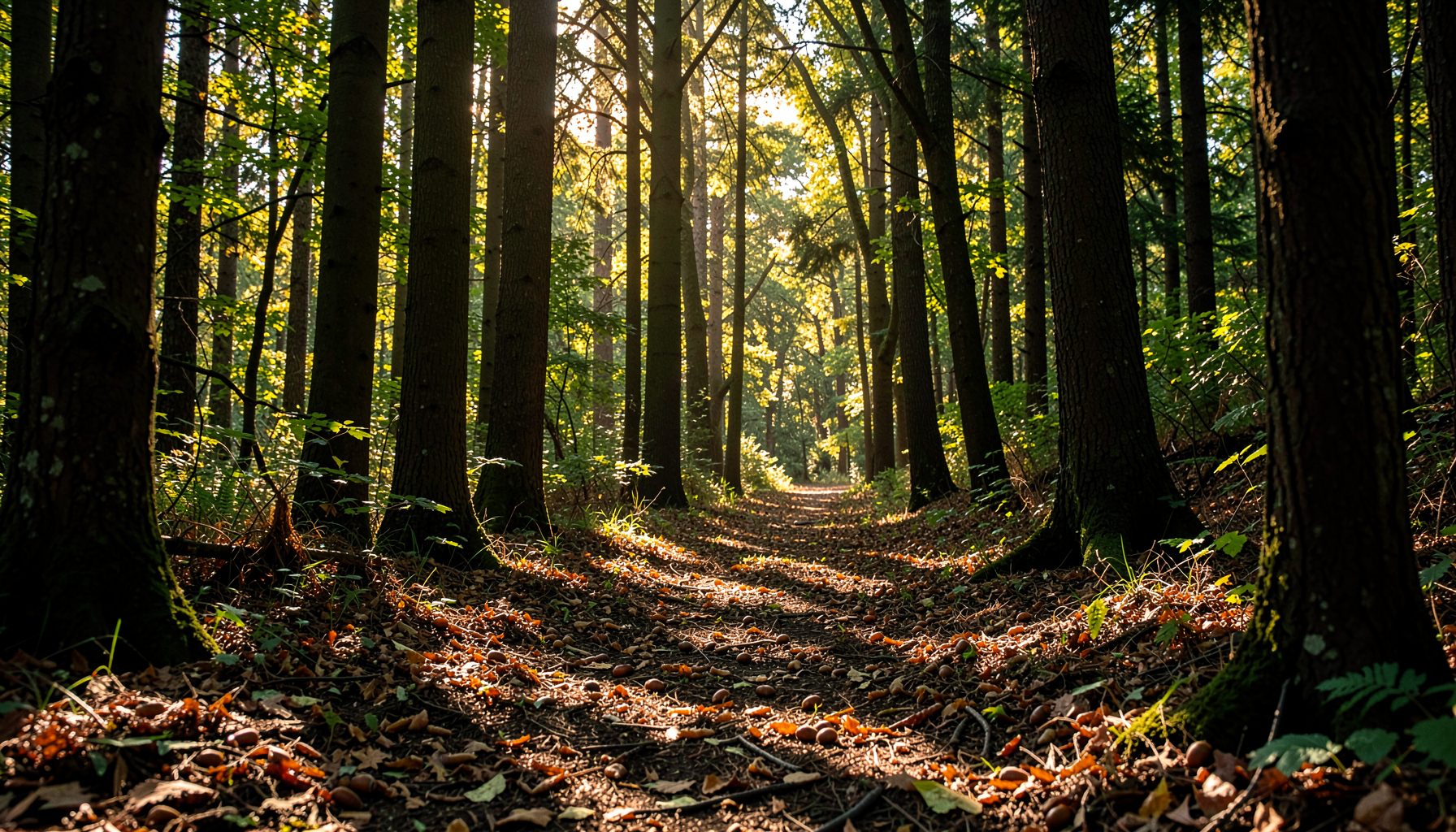
Spotting the North American pawpaw through its leaves and fruit
Pawpaw trees catch your eye before you realise what they are. Their oversized, drooping leaves look almost tropical, and when the mango-shaped fruit ripens in autumn, foragers race to claim a harvest that tastes like banana meets custard. For Australians curious about the species, the challenge is reading the subtle clues that separate a true pawpaw from the papaya locals have called "pawpaw" for generations.
The terminology trips people up at the farm gate. In Sydney markets and suburban backyards, pawpaw usually means Carica papaya, the soft tropical fruit sold beside mangoes through summer. The pawpaw here is Asimina triloba, a cold-hardy cousin of the custard apple family that drops its leaves each winter and clusters green fruit in the warmer months. Knowing which one you are looking at matters before you bite, plant or share seed with a mate down the street.
Learning the visual cues of Asimina triloba is the most reliable way to feel confident in the field. Leaf shape, fruit form, bark texture and growth habit each offer a clue, and together they tell a clear story. The sections below walk through those features so a weekend bushwalker can recognise a pawpaw long before the first fruit hits the ground.
The distinctive look of pawpaw foliage
The most reliable clue is the leaf. Pawpaw leaves are oblong to obovate, often reaching twenty to thirty centimetres long on mature trees, with a smooth margin and a gently tapering tip. The upper surface is rich, slightly glossy green in summer, while the underside is paler and almost grey-green, obvious when a breeze flips the canopy. New growth flushes bronze, sometimes coppery red, before settling into green.
How the leaves hang is another giveaway. Because the stalks are short and the blades heavy, pawpaw foliage droops toward the branch tips, giving the tree a relaxed, almost wilting look even on a sunny day. Beginners often read this as drought stress, but a pawpaw in moist soil looks just as floppy, simply because the leaves outweigh their petioles.
Crushed pawpaw leaves release a faint, grassy scent with a hint of green pepper. It is subtle compared with crushed eucalyptus, yet it helps confirm a sighting in unfamiliar understorey. Once you have handled a few leaves beside lookalikes, the waxy feel and the way the blade folds along its midrib become familiar reference points.
Fruit clues from blossom to harvest
Pawpaw flowers appear before the leaves fully expand, hanging singly or in small clusters along bare branches. Each blossom is deep maroon with a bell shape that nods downward, pollinated mostly by flies and beetles rather than bees. That is why pawpaws often fruit poorly in tidy suburban gardens but thrive near compost heaps where insects gather.
The fruit that follows is unmistakable once you have seen one. Pawpaws grow in clusters of two to nine, each one cylindrical to kidney-shaped, often curved like a fat banana. Skin shifts from pale green to yellow-green as it ripens, often freckled with dark brown blotches. Ripe fruit yields to a gentle squeeze and smells sweetly perfumed at the stem end, much like a ripe custard apple on a Melbourne greengrocer's shelf.
Inside, the flesh is bright yellow to orange, soft and filled with two rows of large, dark brown seeds. A fully ripe pawpaw blends notes of banana, mango and vanilla custard. Unripe fruit and the seeds themselves should not be eaten, and skin contact with the foliage can irritate, so wearing gloves during harvest is wise.
Bark, twigs and overall tree shape
Beyond leaves and fruit, the tree's architecture offers further confirmation. Pawpaws grow as small understorey trees or large shrubs, usually four to eight metres tall, with a single short trunk branching into a spreading crown. They sucker freely, so a single genetic individual often appears as a thicket of stems from the same roots. This clonal habit can fool bushwalkers into thinking they have found a grove when they stand beside one mature plant.
The bark is smooth and grey-brown when young, gradually developing shallow fissures and small warty lenticels. Twigs are stout, with prominent shield-shaped leaf scars left after autumn leaf drop. In winter the bare silhouette resembles a skinny candelabra, the branches forking at low angles and ending in pointed, slightly fuzzy claret buds.
Australian gardeners sometimes confuse pawpaw saplings with young mango trees because of the shared drooping leaf habit. A quick look at bud arrangement settles the question: pawpaw buds are pressed close to the twig in an alternating pattern, while mango buds cluster at shoot tips and look more resinous.
Where pawpaws naturally grow
In their native range across the eastern United States, pawpaws thrive in moist river bottoms and sheltered slopes, tucked beneath taller hardwoods. They prefer slightly acidic soils, plenty of organic matter and protection from drying winds. These conditions mirror some of the cooler, sheltered gullies of the Grampians in Victoria or the wet sclerophyll folds of the Barrington Tops, which is why the species has drawn interest from Australian permaculture groups working with rare fruit collections.
Within a forest stand, pawpaws occupy the mid-canvas layer. They tolerate dappled shade when young, then push upward when a gap opens above them. Their seeds travel short distances, mostly carried by gravity, water and the occasional possum, so new colonies appear within a stone's throw of the parent tree. This slow local dispersal is one reason the species stays patchy even where conditions suit it.
For Australian readers, pawpaw works as the cool-climate cousin of the small-fruited custard apples grown in tropical Queensland, suited to the sheltered position you might give a tamarillo or finger lime. Anyone trialling the species should match those preferences and avoid exposed frost pockets, and groups restoring similar understorey layers can take inspiration from community programs such as Growing Native that reconnect people with seed collection and forest regeneration.
Pawpaw lookalikes to watch for
Several trees can trip up the unwary observer. In Australia the most common confusion is with Carica papaya, sold as pawpaw in every supermarket. Papaya has a single, hollow, unbranched trunk topped with a crown of deeply lobed leaves on long petioles, a very different silhouette from the branching, broad-leaved Asimina triloba.
Closer to home in the forest, young magnolia trees share pawpaw's large, smooth-edged leaves and pale grey bark. The easiest way to separate them is by leaf arrangement: magnolias hold their leaves in tight rosettes at the twig tips, while pawpaw leaves are spaced evenly along the stem. Magnolias also carry showy, tulip-shaped flowers rather than pawpaw's drooping maroon bells.
Finally, native hibiscus species in coastal Queensland and northern New South Wales can fool beginners in spring when new leaves are large and lush. Hibiscus leaves are usually rougher, often three-lobed, and the plants carry the characteristic mallow-family flowers. Checking the leaf margin and stem texture clears the confusion within seconds.
Seasonal timing in the southern hemisphere
Because pawpaw follows a temperate North American calendar, its seasons shift noticeably in the Southern Hemisphere. Leaf flush begins in October rather than May, flowering arrives in early spring, and fruit ripens between February and April in most Australian climates. Growers in the Yarra Valley, Adelaide Hills and Southern Tablelands report a similar rhythm, with harvests often peaking after a warm February.
Pawpaws need a cool winter to set fruit properly, and a brief chill period helps synchronise flowering. This makes the species a better match for Tasmania, the high country of Victoria and parts of southern New South Wales than for the humid tropics. Gardeners in Brisbane or Darwin can still grow pawpaws as foliage curiosities, but fruiting tends to be patchy without careful variety selection.
Like many deciduous natives in Australian gardens, pawpaws benefit from a thick layer of leaf mulch over summer to mimic their forest-floor origins. Volunteer collectors often coordinate with local bushcare groups, sharing propagation notes to refine techniques for our upside-down seasons.
Caring for pawpaw trees and joining a wider effort
Pawpaws respond to the same care given to other understorey fruit trees: deep watering during dry spells, a thick mulch of fallen leaves and protection from strong wind while they establish. Young trees grow slowly for the first two or three years, then pick up pace once their root system settles. Two genetically different trees are usually needed for pollination, so successful plantings involve at least a pair, ideally three, of unrelated seedlings.
Because pawpaw fruit is delicate and the seeds do not store well, conservation-minded Australians often coordinate small seed-collection drives rather than relying on commercial supply. Community nurseries in places like Castlemaine and the Huon Valley have begun grafting named varieties to preserve genetic diversity, and several school programs now include pawpaw in their bush tucker trails alongside native mint and lemon myrtle.
If this work excites you, take the next step with the people who make it possible. Volunteer teams can borrow ideas from a workplace seed challenge that any Australian crew can adapt for an afternoon of native seed sorting. Groups keen to get involved can register their team through the program's volunteer portal and start their own seed-collecting afternoons.
For Australians who want to bring this curiosity home, planting a pawpaw is a small, rewarding act of botanical diplomacy. With a careful eye for leaf shape, fruit form and seasonal cues, the species reveals itself easily, and a single healthy tree can become the start of a local colony that future bushwalkers will one day stumble upon, much as we do today in the forests of North America.