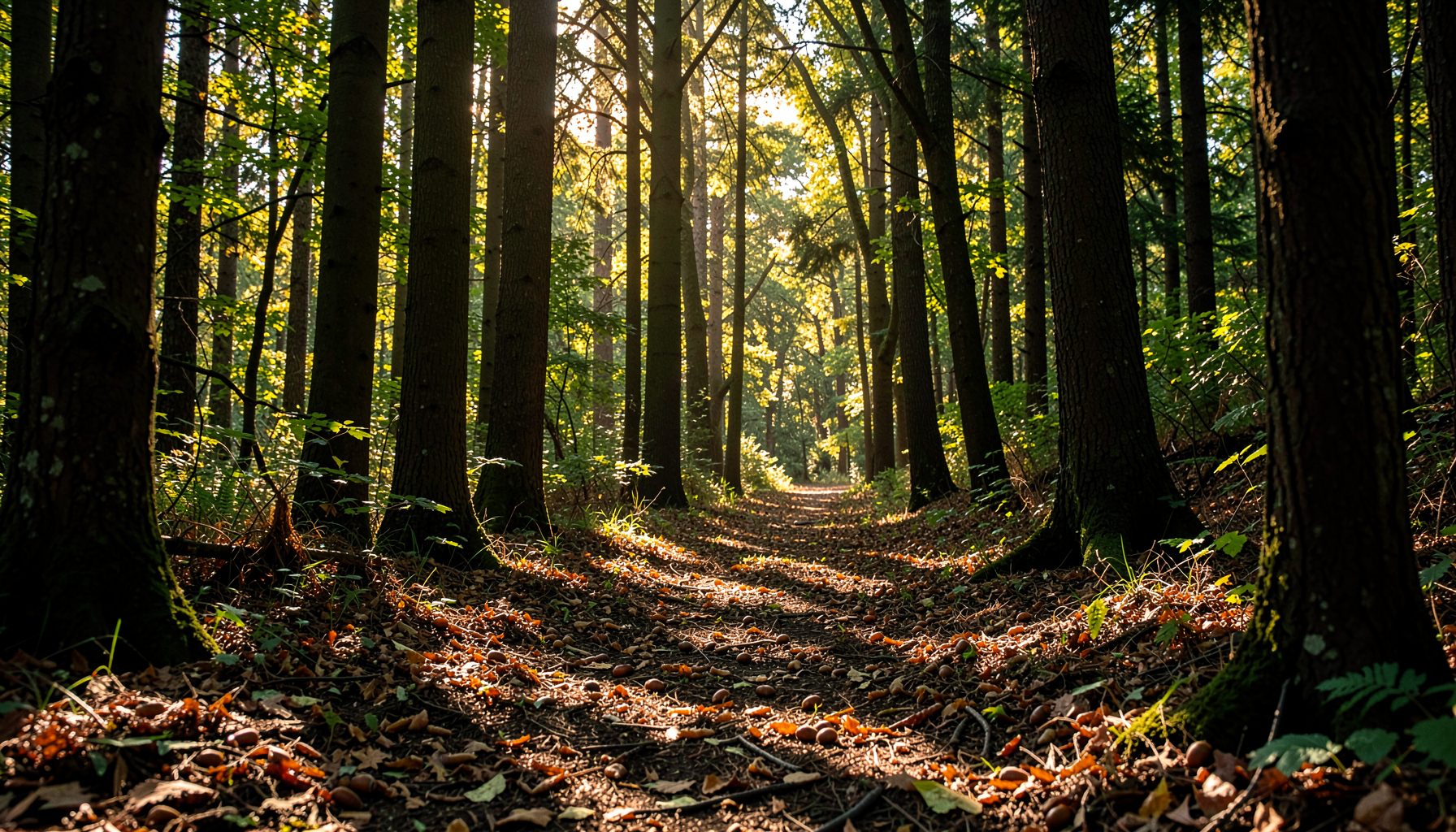
How To Host A Seed Collection Competition Among Community Groups
A community seed collection competition can turn an ordinary autumn activity into a practical conservation project. Neighborhood associations, schools, faith communities, workplaces, scouting groups, and civic organizations can compete to gather native seeds while learning how forests renew themselves.
The strongest events balance friendly rivalry with clear ecological goals. Participants should understand which seeds are wanted, where they may be collected, how to handle them, and why a bucket of acorns or walnuts matters long after the competition ends.
Growing Native connects volunteers across the Potomac River watershed with state nurseries that grow collected seeds into streamside seedlings. A well-planned local contest can support that larger effort while giving people a visible, shared way to improve forests, waterways, and wildlife habitat.
Define The Purpose Before The Contest
Begin by choosing a simple purpose that every participating group can repeat. The goal might be to collect a certain number of viable native seeds, involve a target number of residents, or support restoration projects in a particular watershed. A clear purpose keeps the event focused on conservation rather than making the competition feel like a race for its own sake.
Decide which species are appropriate before announcing the challenge. Depending on the current needs of a nursery or restoration program, acceptable materials may include acorns from native oak species, black walnuts, hickory nuts, maple samaras, or seeds from native shrubs. Contact the receiving organization in advance so groups do not spend time collecting seeds that cannot be used.
Explain the connection between seed collection and local benefits. Native trees help stabilize streambanks, filter runoff, shade waterways, and provide food and shelter for wildlife. They can also contribute to healthier neighborhoods and stronger property values when planted and maintained in suitable locations.
Set Fair Rules For Every Group
A fair contest needs a scoring system that rewards useful collection rather than sheer volume. One group may have access to dozens of mature oaks, while another may work in a small urban area with fewer trees. Weighing all materials together could favor the group with the largest collection site, so consider points for pounds, accepted species, volunteer participation, or educational outreach.
Use a short rule sheet that answers the practical questions before the first collection day:
- Which native species count toward the competition?
- Are damaged, moldy, immature, or nonnative seeds excluded?
- How should seeds be bagged, labeled, and delivered?
- What dates and collection locations are permitted?
- How will winners be recognized?
- Who makes the final decision when a species or seed batch is uncertain?
You can combine several categories instead of naming only one winner. For example, recognize the highest total, the most volunteers, the best species identification, the most creative outreach, and the strongest collection from a small site. This approach gives different kinds of groups a realistic chance to succeed.
Set a collection deadline that matches local seed drop patterns. Acorns and walnuts may fall over several weeks, and weather can change availability quickly. A flexible window allows groups to plan weekend events while still preserving the quality of the collected material.
Prepare People And Collection Sites
Organizers should supply a brief training session, printed species guides, and a list of approved collection locations. Encourage participants to collect from healthy native trees away from roadsides, treated lawns, polluted drainage areas, and places where collection is prohibited. Written permission is essential on private land, school grounds, parks, and managed natural areas.
Teach volunteers to identify seeds and their parent trees before gathering. A photo of the leaves, bark, fruit, or full tree can help confirm the species later. Participants should collect recently fallen seeds rather than stripping large quantities from branches. Leaving some seeds behind supports squirrels, birds, insects, and natural forest regeneration.
Provide clean buckets, paper bags, gloves, labels, and permanent markers. Paper containers allow moisture to escape, while sealed plastic bags can encourage mold if seeds are damp. Each group should record the species, collection date, approximate location, and group name on every container.
The competition becomes more educational when teams keep a simple field log. Ask them to note the number of volunteers, hours spent, tree species observed, and environmental conditions. Those records can be used for judging, volunteer recognition, and future planning.
Run An Organized Collection Day
A launch event can give the competition energy and ensure that all groups begin with the same information. Demonstrate how to distinguish sound seeds from cracked, insect-damaged, or visibly rotten ones. Explain that collecting more is not always better if the material is poorly identified or unsuitable for propagation.
Assign each group a coordinator who communicates with the central organizer. Coordinators can distribute supplies, check permissions, gather field records, and transport materials to the drop-off point. A shared schedule helps prevent several groups from arriving at the same site or overwhelming volunteers who are sorting the donations.
Create a visible progress system that encourages participation without pressuring people to overcollect. A weekly email, community bulletin, or online graphic can show accepted pounds, volunteer hours, and species diversity. Share photographs of collection teams and native trees, but avoid publishing sensitive locations for rare or vulnerable plants.
At the end of each collection period, hold a sorting and weighing session. Use the same scale, containers, and acceptance standards for every team. Have at least two people verify totals, and keep rejected material separate so participants can learn why it did not qualify.
Compare Effort, Quality, And Impact
A balanced scoring model makes the results easier to defend and more meaningful for conservation. Assign points for accepted seed weight, verified species diversity, volunteer participation, accurate labeling, and educational engagement. Cap any single category so that one advantage does not determine the entire outcome.
| Category | Example Measurement | Possible Points |
|---|---|---|
| Accepted seed volume | Pounds or count of usable native seed | 40 |
| Species diversity | Number of approved native species | 20 |
| Volunteer involvement | Verified participants and service hours | 15 |
| Collection quality | Clean, labeled, correctly identified batches | 15 |
| Community education | Workshop, display, or outreach activity | 10 |
Adjust the categories to fit the receiving nursery’s priorities. If the program urgently needs acorns, volume may receive greater weight. If the goal is to introduce residents to local tree diversity, species identification and educational activities can carry more points.
Keep records transparent by posting the scoring method before the competition begins. After judging, share a short results summary with every group, including the total accepted material and the number of volunteers involved. Recognition should reinforce the ecological contribution, even when a group does not place first.
Protect Volunteers And Seed Quality
Safety planning belongs in the event design, especially when participants collect walnuts, work around uneven ground, or use hand tools. Volunteers should wear sturdy shoes, gloves, weather-appropriate clothing, and eye protection when cracking shells or working beneath branches. Children need close adult supervision and tasks suited to their age.
Walnut husks and shells can stain skin and clothing, and damaged nuts may carry mold or insects. Give participants clear instructions for separating questionable material and washing their hands after handling seeds. The guidance on safe walnut handling can help organizers prepare a sensible safety briefing.
Check the weather forecast and postpone activities during thunderstorms, high winds, extreme heat, or dangerous trail conditions. Provide drinking water, first-aid supplies, emergency contacts, and a plan for reporting injuries. Leaders should know the boundaries of each collection site and keep groups together in unfamiliar areas.
Seed quality also depends on timely delivery. Store containers in a cool, shaded, well-ventilated place and transport them according to the receiving nursery’s instructions. Do not leave collected seeds in hot vehicles or allow wet material to remain sealed for extended periods.
Make Participation Easier
A successful event removes barriers for people who cannot spend hours gathering seeds. Offer several ways to contribute, from collecting and sorting to designing posters, recording data, teaching tree identification, or transporting supplies. Schools might assign teams different roles, while workplaces can organize a lunchtime collection walk or a weekend service project.
Use these practices to keep the competition welcoming and productive:
- Provide species cards with photographs, leaf features, bark clues, and common look-alikes.
- Offer collection sites within walking distance or arrange carpools to approved locations.
- Create separate recognition categories for youth groups, small teams, workplaces, and large organizations.
- Schedule a public sorting day where residents can bring questions and learn from trained volunteers.
- Share short updates that connect the collected seeds to future streamside planting and watershed restoration.
Invite local naturalists, extension educators, park staff, or experienced volunteers to support the learning component. A ten-minute tree identification lesson can prevent widespread errors and make the event more memorable. Participants are more likely to remain involved when they understand the full journey from forest floor to nursery to restoration site.
Carry The Results Into The Watershed
The end of the contest should mark the beginning of a longer relationship with participating groups. Share updates when seeds are accepted, processed, germinated, and eventually planted. Even if the timeline takes several years, progress reports show that volunteer effort has a lasting purpose.
Consider presenting awards at a community gathering that includes a native tree planting, stream cleanup, or watershed education program. Groups can see how seed collection fits within a broader cycle of erosion control, habitat improvement, cleaner water, and forest regeneration. The event may also attract new volunteers for future seasons.
Keep a record of the competition’s results, including species collected, total weight, volunteer hours, participating organizations, and lessons learned. Review that information before planning the next event. You may discover that certain collection sites were especially productive, that one species was frequently misidentified, or that evening and weekend schedules reached different audiences.
A friendly seed collection competition becomes most valuable when it builds local knowledge and dependable partnerships. Invite each group to reserve a date for the next season, support a nursery or restoration project, and continue learning about the native trees growing in its own community. Organize your first collection day, contact local groups, and turn autumn seed gathering into the beginning of a healthier Potomac watershed.