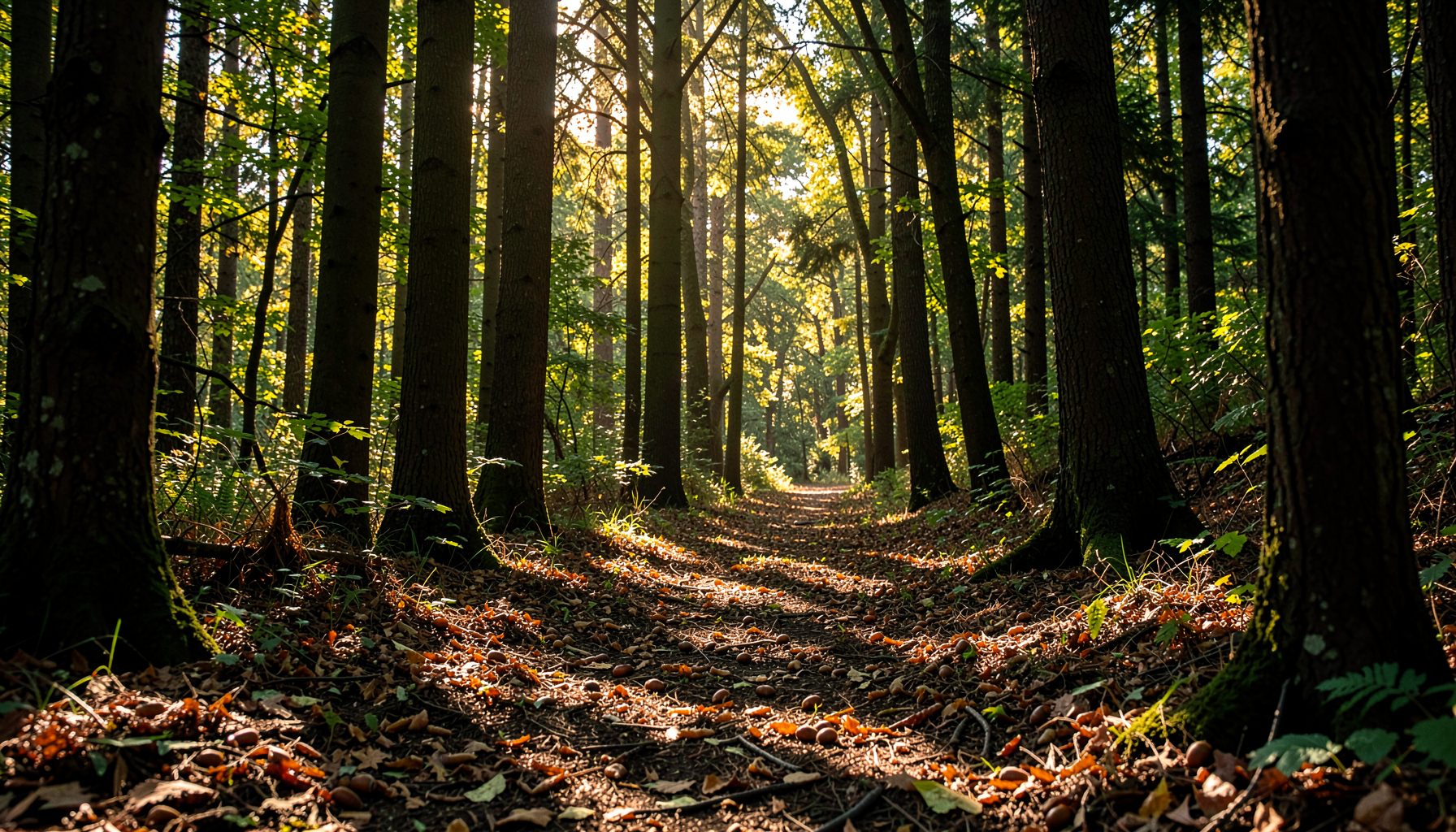
Native Persimmon Seed Collection Powers Australian Wildlife
Across Melbourne's Yarra River corridor, Brisbane's bushcare reserves, and the urban bushland fringes of Perth and Hobart, Australians are rebuilding native forests one seedling at a time. Local volunteer groups have spent decades pulling down weeds, planting tube-stock, and learning the slow patience that good restoration demands. A growing number of those hands are turning to seed collection as the next logical step, recognising that locally-sourced, genetically appropriate seed offers resilience that no commercial nursery can match.
The native persimmon tree carries a particular kind of ecological value. Its late-season fruit hangs on bare winter branches, offering a critical cold-weather meal for birds, mammals, and insects when little else is available. Programs cataloguing the Potomac watershed history have spent years tracking how persimmon stands shape food webs, and the same logic translates directly to Australian bush tucker species with similar fruiting habits.
The Ecological Gifts of Native Persimmon Trees
Persimmon trees sit in the Ebenaceae family, a lineage that produces dense, slowly-decomposing leaf litter and nutrient-rich fruit. In the forests where they thrive, the leaf fall builds soil structure, encourages mycorrhizal networks, and shelters invertebrates that feed ground-dwelling birds. The trees also support a quiet army of native pollinators when they flower in late spring, attracting solitary bees, native flies, and beetles that rarely visit showier blossoms.
More importantly, the fruit itself behaves as a keystone resource. It ripens late, after most berries have vanished, and its sugary payload arrives precisely when migratory species need to fatten up and when resident wildlife is bracing for leaner months. Studies in the United States have shown that a single mature persimmon can sustain flocks of robins, cedar waxwings, opossums, raccoons, foxes, and countless beetles through weeks of cold weather. The same ecological principle applies wherever a late-fruiting native species is allowed to produce a full crop.
When volunteers collect seeds rather than letting the fruit simply drop and rot, they multiply that impact. Each seed that germinates in a nursery becomes a future food source, a future piece of canopy, and a future host for the dozens of insect species that depend on the tree. The arithmetic of restoration improves sharply when the wild trees themselves become seed donors.
Australian Wildlife That Thrives on Persimmon Fruits
The Australian bush has its own roster of late-season fruit feeders who would benefit from more persimmon and persimmon-like natives in the landscape. In the suburbs of Sydney, currawongs and wattlebirds readily take soft fruit from garden trees, and brushtail possums climb bare branches on winter nights to reach whatever remains. In South Australia, the endangered southern brown bandicoot scrambles through leaf litter in search of fallen fruit and the invertebrates they attract.
Fruit bats, including the grey-headed flying fox, are some of the most efficient long-distance dispersers of large-seeded native trees. Where persimmon or related Ebenaceae species fruit in late autumn, these bats move seeds across fragmented landscapes, often kilometres from the parent tree. Encouraging more fruiting natives in wildlife corridors around Melbourne's outer suburbs, the Adelaide Hills, and the bushland edges of Canberra directly supports these already-stressed populations.
Insects matter too. The larvae of several Australian moths and butterflies feed on persimmon foliage, and adult beetles, flies, and native bees visit the flowers. Each of these creatures anchors a longer food chain, feeding lizards, antechinus, robins, and the small owls that patrol the understorey at dusk. A single persimmon tree is therefore not just a snack for birds; it is a small apartment block for an entire invertebrate community.
Linking Potomac Wisdom to Australian Catchments
The Potomac River watershed in the eastern United States shares an understorey-restoration challenge with Australian catchments like the Yarra, the Brisbane River, and the Derwent. Centuries of clearing, grazing, and urbanisation have left thin ribbons of bush clinging to waterways, and what remains often lacks the mature seed trees that drive natural regeneration. Volunteers stepping in to collect and redistribute seed fill a gap that no amount of planting alone can close.
That is the central insight behind any serious seed program: the forests we want tomorrow depend on the seed trees we protect and propagate today. The same principle drives Landcare groups in the Hunter Valley, Bushcare teams in Ku-ring-gai, and Friends of the Helmeted Honeyeater volunteers in the Yarra Ranges. Wherever a catchment has lost its oldest trees, careful seed collection becomes the engine of recovery.
In Australia, a parallel investment in locally-native species with persimmon-like traits, such as various Diospyros relatives, native quandong, or certain rainforest emergents in the subtropics, can rebuild the same late-season food sources for wildlife. The genetics matter too. Seed collected from trees already adapted to a region's rainfall, soils, and climate stands a far better chance of surviving the next drought than anything ordered from a wholesale catalogue interstate.
Practical Steps for a Seed Collection Morning
A successful seed outing blends timing, technique, and a small amount of kit. Persimmon fruit is ready when it goes soft and the calyx pulls away easily; pick too early and the seeds will not be viable. In Australia, late autumn to early winter is the sweet spot for many late-fruiting species, and a quick reconnaissance walk a few weeks beforehand helps locate the best parent trees.
A morning seed collection checklist usually includes sturdy gloves, secateurs for any small branch trimming, breathable collection bags, a notebook for tagging provenance, water, and a hat. Each bag of fruit should be labelled with the date, location, species, and collector's name, because that provenance record travels with the seed all the way to the nursery bed.
Back at home or at a community nursery, the fruit is mashed gently in water, the floaters discarded, and the sound seeds laid out on mesh trays to dry. Once clean and dry, the seed is stored in labelled paper envelopes in a cool, dark place until sowing. Skipping any of these steps risks losing viability, and viability is what turns a pleasant bushwalk into a decade of forest growth.
Australian Rules and Regulations for Native Seed Work
Australia's environmental laws treat native vegetation with seriousness that can surprise first-time volunteers. The federal Environment Protection and Biodiversity Conservation Act 1999 protects matters of national environmental significance, while each state and territory layers its own rules for collecting seed on public land, in national parks, and on Aboriginal-owned country. Before picking a single fruit, collectors should confirm permissions with the relevant land manager, whether that is a local council, a state parks agency, or a Traditional Owner group.
In New South Wales, the Biodiversity Offsets Scheme and the Saving Our Species program both recognise seed collection as legitimate conservation work, and many local councils run formal Bushcare programs that issue permits and supply gear. Victoria's Landcare network offers similar pathways, and in Queensland, regional NRM bodies coordinate volunteer seed collection across multiple catchments. These structures are not red tape for their own sake; they protect rare populations from over-collecting and ensure that benefits flow back to the landscape rather than to private trade.
There is also a quiet commercial side. Australian native plant nurseries, from those in the Dandenong Ranges to specialist growers in the Atherton Tablelands, increasingly prefer locally-sourced seed because it produces hardier stock. For volunteers, this means their weekend hobby can quietly feed a market that is reshaping how the country thinks about revegetation, while still staying grounded in conservation rather than exploitation.
The Volunteer Spirit Behind Lasting Change
What keeps people returning to a muddy creek bank, season after season, is rarely the tree species alone. It is the slow accumulation of small wins, the friendships, the surprising wildlife encounters, and the knowledge that the work matters. Volunteer testimonials from long-serving collectors often describe the same arc, beginning with curiosity, deepening into craft, and ending in a sense of stewardship that extends well beyond the original program.
That trajectory is well captured in volunteer testimonials from the Growing Native community, where collectors speak of friendships formed over sorting tables, of children who learned to read the bush through seed work, and of the satisfaction of watching a sapling they raised from local seed survive its first flood. The same stories echo in the Brisbane bushcare email lists, the Friends of the Earth Melbourne volunteer reports, and the year-end newsletters of Landcare groups from the Kimberley to the Huon.
Australia's restoration challenges are large, but they are not abstract. They are answered one labelled seed envelope at a time, by people willing to learn the rhythm of a tree, the rules of a catchment, and the patience of a soil. Joining a local Bushcare or Landcare group, signing up for a seed collection training day, or simply taking the time to learn which late-fruiting natives grow nearby are all steps that move the country closer to the kind of resilient, wildlife-rich forests that the persimmon's long, generous fruiting season has always made possible.
Practical Tips for Australian Seed Stewards
- Confirm permissions before collecting on public land, in national parks, or on Country, and follow the lead of Traditional Owner groups and local councils.
- Focus on locally-sourced seed from trees already adapted to your region's rainfall, soils, and frost patterns to maximise survival.
- Keep clear provenance records with date, location, species, and collector name on every bag and envelope.
- Visit existing programs through Landcare Australia, Bushcare NSW, or your state's NRM body to access training, permits, and shared infrastructure.
- Wash, dry, and store seed correctly in paper envelopes in a cool, dark place, and only sow when conditions match the species' natural cycle.
Step into a seed collection morning near you, and bring a friend who has never sorted a persimmon seed in their life. The bush, and the birds that rely on it, will thank you for years to come.