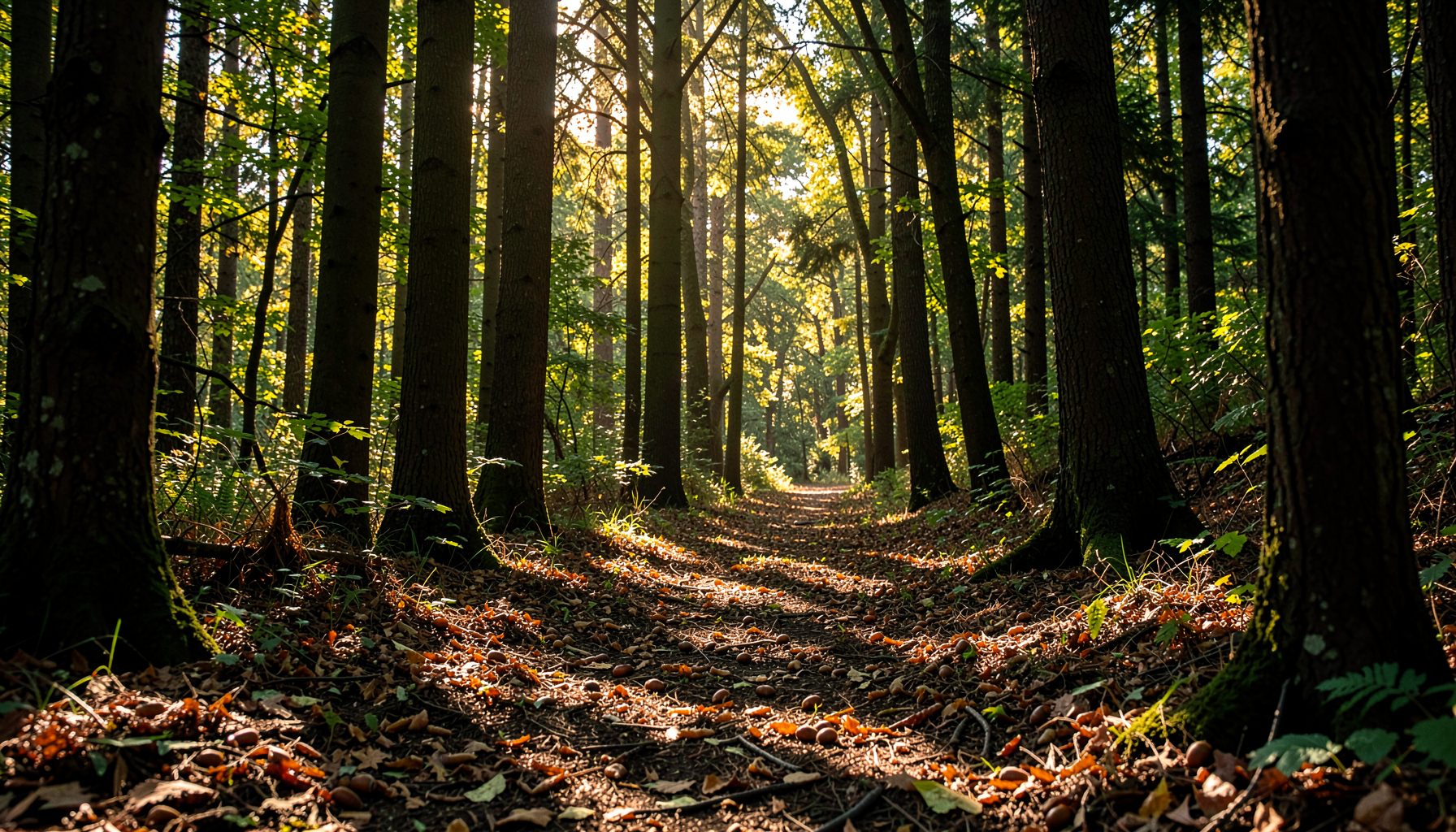
A Practical Gear Checklist for Seed-Collecting Mornings
A morning spent gathering acorns, walnuts, and other native tree seeds can feel simple: walk through a forest, identify mature seeds, and place them in a collection bag. The right equipment makes that work safer, more comfortable, and more useful for the nurseries that will grow the next generation of streamside trees.
Growing Native volunteers may work in wooded parks, community spaces, school grounds, farms, or along waterways throughout the Potomac River watershed. Conditions can change quickly between an open trail and a shaded forest floor, so a thoughtful packing routine matters. Lightweight layers, sturdy footwear, breathable collection bags, and basic field supplies help volunteers stay focused on the work.
The ideal gear also protects the seeds. Dampness, crushing, heat, and accidental mixing can reduce their quality. A well-prepared volunteer can collect responsibly, record useful information, and return with seeds ready for the next stage of restoration.
Before You Pack
Start by checking the event instructions, meeting location, expected weather, and collection targets. Organizers may provide bags, labels, maps, gloves, or other supplies, while some events ask participants to bring their own. Knowing what will be available prevents overpacking and ensures that essential items do not stay at home.
Wear or carry clothing suited to the forecast rather than relying on the morning temperature alone. Forested areas can be cool and damp at sunrise, while open fields may become warm later. Rain can make leaves and slopes slippery, and a dry day can still bring thorny plants, dust, or heavy pollen.
A small daypack is usually enough for personal essentials. Keep frequently used items in outer pockets, and reserve an interior compartment for clean collection bags, a notebook, and anything that should remain dry. Avoid bringing valuables that could be damaged during outdoor work.
Dress for Woods and Weather
Closed-toe shoes with firm soles are essential. Hiking shoes or waterproof work boots offer better protection than running shoes, especially when volunteers cross wet grass, uneven ground, exposed roots, or muddy stream edges. Shoes should be broken in before the event to prevent blisters during a long morning of walking and bending.
Long pants provide a useful barrier against ticks, briars, poison ivy, and rough bark. Lightweight, quick-drying fabric is comfortable in changing conditions. Choose a long-sleeved shirt when vegetation is dense, and add a fleece or light jacket for cool mornings. Bright or high-visibility colors can help a group remain easy to see near roads or shared-use trails.
A hat protects against sun and falling debris, while a rain shell adds warmth and keeps clothing dry during a passing shower. Insect repellent and sunscreen should be applied according to their labels. If you use tick-treated clothing, follow the product’s care and safety instructions.
Gloves should fit closely enough for handling individual seeds without making delicate work awkward. Garden, work, or trail gloves can protect hands from prickly husks and rough ground. Keep a spare pair in the vehicle or daypack in case the first pair becomes wet.
Carry the Right Collection Supplies
Breathable paper bags, cloth sacks, or mesh containers are preferable to sealed plastic bags for most seed collection. Fresh seeds can hold moisture, and trapped condensation may encourage mold. Use separate containers for different species or collection areas when organizers request that information.
Labels and a waterproof pen are small supplies with a large effect. A useful label may include the tree species, collection date, location, volunteer group, and collector initials. If the event has a specific labeling system, follow it exactly. Clear information helps nursery staff sort, assess, and process the harvest efficiently.
Bring a clipboard or small notebook for recording observations. A phone can also document the parent tree, surrounding habitat, or collection site, but photos should support the event’s procedures rather than replace them. A reusable water bottle, simple snack, hand sanitizer, and tissues round out the personal kit.
Avoid collecting tools that could damage trees or disturb the soil unless the organizers specifically request them. Seeds should generally be gathered from the ground or from approved sources, not knocked from branches. A small flashlight may help with an early start, but powered equipment is rarely necessary once daylight arrives.
Identify and Handle Seeds Carefully
Correct identification is more important than collecting a large quantity. Learn the target species before arriving, and compare several features rather than relying on a single leaf or seed. Bark, twigs, fruit shape, husks, and the surrounding tree can all help confirm an identification.
Winter collection can be especially challenging because deciduous trees may have no leaves. A guide to winter oak identification can help volunteers recognize northern red oak using bark, buds, twigs, and other details. When uncertain, set the seed aside and ask a coordinator instead of adding an unknown item to a labeled bag.
Black walnuts and butternuts may also be confused when their outer coverings are weathered or partly removed. Before gathering either species, review this walnut comparison guide and bring any event reference materials provided by the team. Do not mix similar-looking seeds simply because they were found beneath the same type of tree.
Choose mature, sound seeds whenever possible. Avoid seeds that are cracked, moldy, excessively soft, hollow, or covered with extensive insect damage. Handle them gently, keep them shaded, and do not rinse or scrub them unless the program gives specific instructions. The collection team will determine how seeds should be cleaned, stored, and prepared.
| Gear | Why It Helps | Packing Note |
|---|---|---|
| Sturdy boots or hiking shoes | Improve traction and protect feet | Choose waterproof footwear for wet sites |
| Long pants and sleeves | Reduce exposure to ticks, thorns, and poison ivy | Select lightweight, quick-drying fabrics |
| Close-fitting gloves | Shield hands while preserving dexterity | Pack a dry spare pair |
| Paper or mesh bags | Allow seeds to breathe | Keep species or sites separate |
| Waterproof pen and labels | Preserve collection details | Label bags as soon as they are filled |
| Water and a snack | Support energy during fieldwork | Use a reusable bottle |
| Phone or camera | Record locations and parent trees | Keep devices protected from rain |
| Hand sanitizer and tissues | Support clean handling | Store them in an easy-access pocket |
| Sunscreen, hat, and repellent | Reduce sun and insect exposure | Apply before entering the field |
Match Your Kit to the Site
A short collection shift at a school or neighborhood park may require little more than gloves, a labeled bag, water, and weather-appropriate clothing. A woodland route with steep ground calls for stronger footwear, a fuller first-aid kit, and perhaps trekking poles if they are permitted and useful for personal mobility.
Waterway sites deserve extra attention. Mud, slick banks, hidden roots, and changing water levels can create hazards that are less obvious from a trailhead. Stay within marked boundaries, avoid unstable edges, and follow the coordinator’s instructions about crossings. The seeds collected in these areas support restoration work connected to streamside forest benefits, including erosion reduction and cleaner water.
Families and school groups should plan for different needs within the same group. Children may need smaller gloves, extra snacks, visible identification, and close adult supervision. Workplaces and community groups can assign roles such as seed finder, label writer, bag carrier, and site recorder so that volunteers stay organized without crowding one tree.
Pack for Safety and Stewardship
A collection morning should leave the site looking undisturbed. Take only the requested species and amount, leave some seeds for wildlife, and avoid trampling young plants or sensitive ground cover. Do not move logs, pull living vegetation, or enter restricted areas to reach a seed.
Before heading out, use this short packing standard:
- Wear sturdy, closed-toe footwear with traction and comfortable long clothing.
- Bring fitted gloves, water, a snack, sunscreen, insect repellent, and a small first-aid kit.
- Pack breathable bags, waterproof labels, a permanent pen, and a notebook or phone.
- Carry rain protection and an extra layer even when the forecast looks mild.
- Keep collected seeds shaded, separated, and clearly labeled until they are handed to the event team.
Check for ticks after the event, especially around socks, waistbands, hairlines, and other warm areas. Wash hands before eating, clean muddy footwear, and inspect clothing and bags before bringing them indoors. These habits protect volunteers and help prevent seeds or plant material from being moved unintentionally between sites.
Prepare for a Smooth Handoff
The final part of the morning is as important as the search itself. Bring filled bags to the designated drop-off point rather than leaving them in a hot vehicle. Tell the coordinator about unusual finds, damaged seeds, uncertain identifications, or areas where collecting was difficult.
Keep personal items separate from the harvest. A clean tote or crate can prevent bags from being crushed under jackets, food, or muddy equipment. If seeds become wet, notify the collection team instead of sealing them tightly or trying to dry them with artificial heat.
A reliable gear routine turns a volunteer outing into useful conservation work. Every correctly identified and carefully handled seed can contribute to nursery production, streambank stabilization, wildlife habitat, and a healthier watershed. The equipment itself is modest; its value comes from helping people work carefully and consistently.
Pack your gloves, breathable bags, water, labels, and weather-ready clothing before the next Growing Native collection morning. Arrive ready to learn, gather responsibly, and place each seed in the hands of the people who will help it become part of a restored forest.