Volunteer Testimonials That Keep Forest Stewards Coming Back
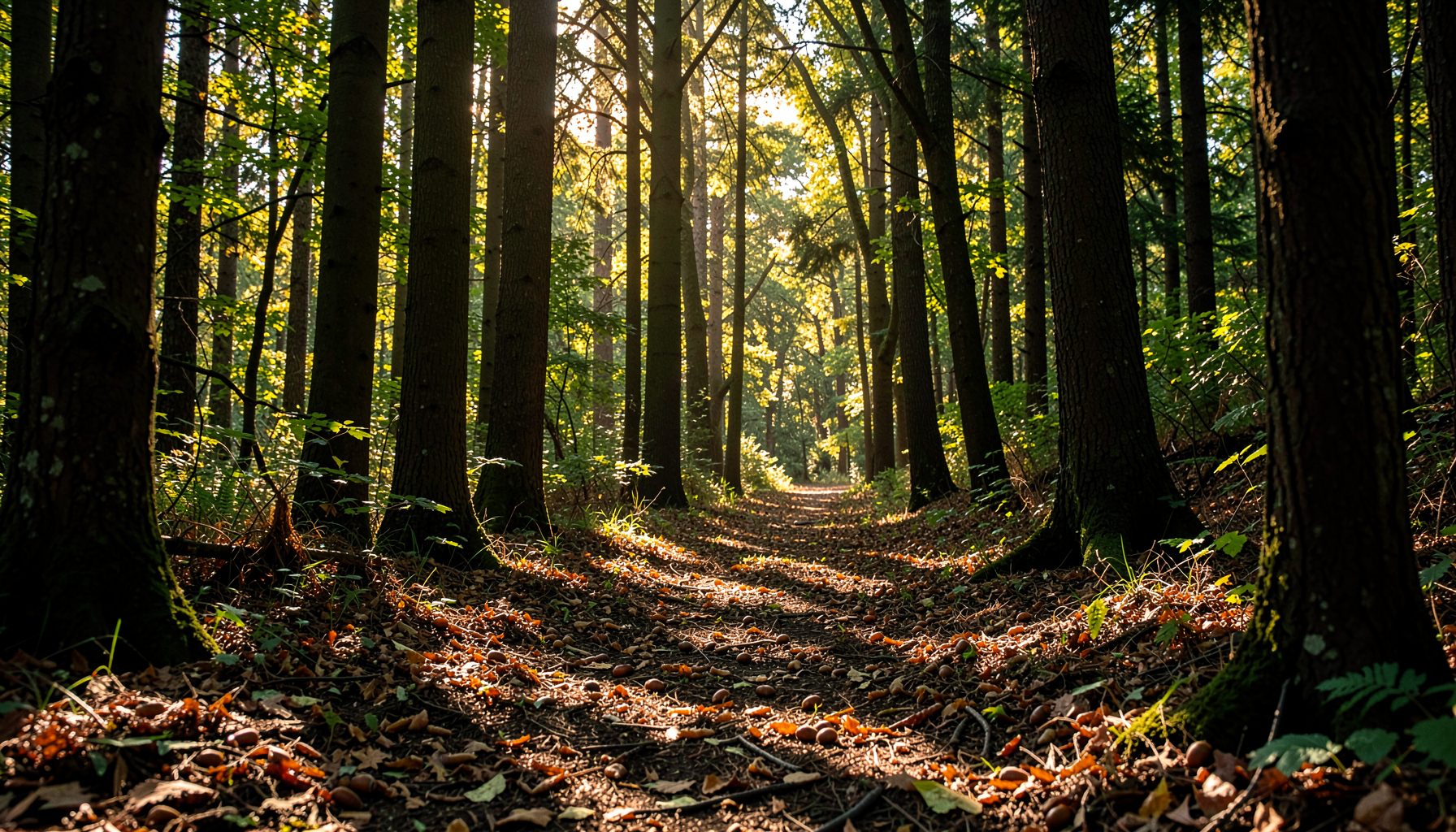
A seed-collecting outing can begin as a simple weekend activity and become a meaningful seasonal tradition. Volunteers walk beneath mature trees, learn to recognize native species, gather acorns or walnuts, and discover how a small handful of seeds can eventually support healthier forests throughout the Potomac River watershed.
The people who return year after year often describe the experience in practical, personal terms. They appreciate being outdoors, enjoy learning something new, and value the chance to contribute to cleaner streams and stronger forest communities. For families, students, workplaces, and neighborhood groups, the work creates a shared experience with a visible environmental purpose.
Their reflections also reveal an important truth about conservation volunteering: lasting commitment rarely comes from a single dramatic event. It grows through repeated moments—the first correctly identified tree, a productive morning with friends, a better understanding of watershed health, or the knowledge that today’s seeds may become tomorrow’s streamside trees.
The satisfaction of seeing a small task become part of a larger effort
Many volunteers return because seed collection offers a clear connection between effort and outcome. Picking up acorns from the forest floor may feel modest, but those seeds can be donated to state nurseries, grown into seedlings, and planted in places where trees are needed to stabilize soil and protect waterways.
That progression gives the activity unusual meaning. Volunteers are not simply spending time outside; they are participating in an extended restoration process. Their contribution moves from forest floor to nursery, from nursery to planting site, and eventually into a living landscape that can provide shade, habitat, leaf litter, and stronger stream banks.
This long view is especially motivating for people who want their volunteer work to have practical results. A single outing will not transform a watershed, but regular participation builds a dependable supply of native plants. Returning volunteers understand that restoration depends on many small, consistent acts carried out across many seasons.
Learning to read the forest changes the experience
Another common reason people come back is the opportunity to become more observant. Once volunteers learn the differences between oak species, hickories, walnuts, and other native trees, a walk through the woods becomes more engaging. Shapes, bark patterns, leaves, fruits, and growing conditions begin to tell a story.
For beginners, resources such as tree identification guidance make the learning process more approachable. A person who once saw an indistinct green canopy may begin noticing which trees are producing seed, how species are distributed, and where younger growth is succeeding or struggling.
That new knowledge often continues beyond the volunteer event. Participants may identify trees in their own neighborhoods, explain native species to children, or pay closer attention to the condition of local parks and stream corridors. The activity builds confidence without requiring specialized training, making it rewarding for both first-time participants and experienced naturalists.
Shared work makes conservation feel social
Volunteer testimonials frequently emphasize the people involved as much as the environmental mission. Collecting seeds is active enough to keep a group engaged, yet relaxed enough for conversation. Families can work side by side, coworkers can step away from screens, and community members can meet others who care about local land and water.
The work also creates a useful balance between individual discovery and group accomplishment. One participant may become skilled at spotting ripe acorns, while another organizes collection bags or helps younger volunteers identify trees. Everyone has a role, and the results are combined into a contribution that would be harder to achieve alone.
For groups looking to establish a recurring service tradition, Growing Native provides opportunities suited to individuals, schools, workplaces, and community organizations. Returning together can strengthen relationships because participants share memories tied to particular places, weather conditions, and successful collection days.
The connection between forests and clean water becomes tangible
People are often more likely to continue volunteering when they understand why the work matters beyond the immediate activity. Healthy forests and healthy waterways are closely connected. Tree roots help hold soil in place, forested stream buffers reduce erosion, and vegetation can help filter runoff before it reaches creeks and rivers.
That relationship is particularly relevant across the Potomac River watershed, where conditions upstream can influence water quality far downstream. A closer look at upstream forest benefits helps explain why restoration work in one community can matter to people living many miles away.
Volunteers often return because this connection gives their time a wider purpose. They may never see every nursery seedling produced from their collection or every streambank supported by a future planting, but they can understand the chain of benefits. The work links forests, soil, wildlife, communities, and drinking water in a way that is easy to experience and remember.
What keeps different volunteers returning
The motivations behind repeat participation vary by age, background, and experience. Some people are drawn to outdoor recreation, while others are motivated by environmental education, service hours, family time, or a desire to make a local contribution. The activity accommodates these different reasons without requiring everyone to share the same starting point.
| Volunteer perspective | What makes the experience rewarding | Why it encourages a return |
|---|---|---|
| Families | Children can explore, identify trees, and contribute to a real project | Each season offers a new outdoor learning experience |
| Students | The work connects classroom ecology with hands-on service | Participants gain knowledge and meaningful service experience |
| Workplace groups | Colleagues cooperate away from their usual setting | Shared conservation work strengthens team connections |
| Community organizations | Members support a visible regional priority | Recurring outings build local stewardship traditions |
| Individual volunteers | Time outdoors combines learning with useful action | Personal skills and environmental awareness continue to grow |
A family may remember the excitement of finding its first full bag of acorns. A student may value the chance to see how ecology operates outside a textbook. An employee may appreciate working with colleagues in a setting that feels more purposeful than a routine team event.
These experiences are different, yet they share a pattern: the volunteer leaves with a stronger relationship to a place. That relationship is one of the most reliable foundations for long-term environmental stewardship.
Seasonal work gives returning volunteers something to anticipate
Seed availability changes with weather, tree health, and the natural cycles of different species. That variation gives returning volunteers a reason to pay attention from year to year. One season may produce abundant acorns, while another may offer better opportunities to collect walnuts or other native hardwood seeds.
This seasonal rhythm keeps the work from becoming repetitive. Returning participants can compare observations, notice changes in the forest, and build practical knowledge about when and where seeds are available. The familiar structure of the activity remains, but the forest always offers something new.
There is also value in having an environmental tradition on the calendar. A recurring autumn outing can become a marker for a family, class, workplace, or neighborhood group. It creates a dependable opportunity to spend time outside while contributing to a project that grows beyond the day itself.
Simple guidance helps first-time volunteers feel useful
People are more likely to return when their first experience feels welcoming and manageable. Seed collection does not require advanced field skills, but participants benefit from clear instructions about which seeds to gather, how to handle them, and how to distinguish desirable native species from unsuitable material.
Good guidance also helps volunteers understand the reason behind each step. Learning why mature, healthy seeds matter—or why collection locations and timing are important—turns instructions into knowledge. Participants become more careful because they understand how their choices affect the nursery and restoration process.
That sense of competence can be especially important for people who do not think of themselves as environmental experts. A successful first outing shows that conservation is accessible. Volunteers can make a useful contribution while continuing to learn, and that combination of participation and growth is often what brings them back.
Turning appreciation into a lasting habit
The strongest volunteer testimonials do not necessarily describe grand gestures. They speak about returning to a familiar trail, recognizing a tree that once seemed unfamiliar, working alongside a child, or realizing that a morning of collecting supports future plantings throughout the watershed.
- Choose a volunteer outing that fits your group’s interests, age range, and schedule.
- Use the experience to practice identifying native trees and learning their ecological roles.
- Invite children or new participants to take on simple, visible responsibilities.
- Record observations from each season so returning volunteers can notice changes over time.
- Connect seed collection with broader conversations about erosion, habitat, and clean water.
These habits help turn a single service activity into an ongoing relationship with the land. They also make it easier for organizations to build continuity, welcome new participants, and show how annual contributions add up.
Volunteering with Growing Native offers a direct way to join that cycle of care. Gather friends, classmates, coworkers, or family members, find an upcoming opportunity, and spend time collecting the native seeds that can help restore forests and protect waterways across the Potomac watershed.