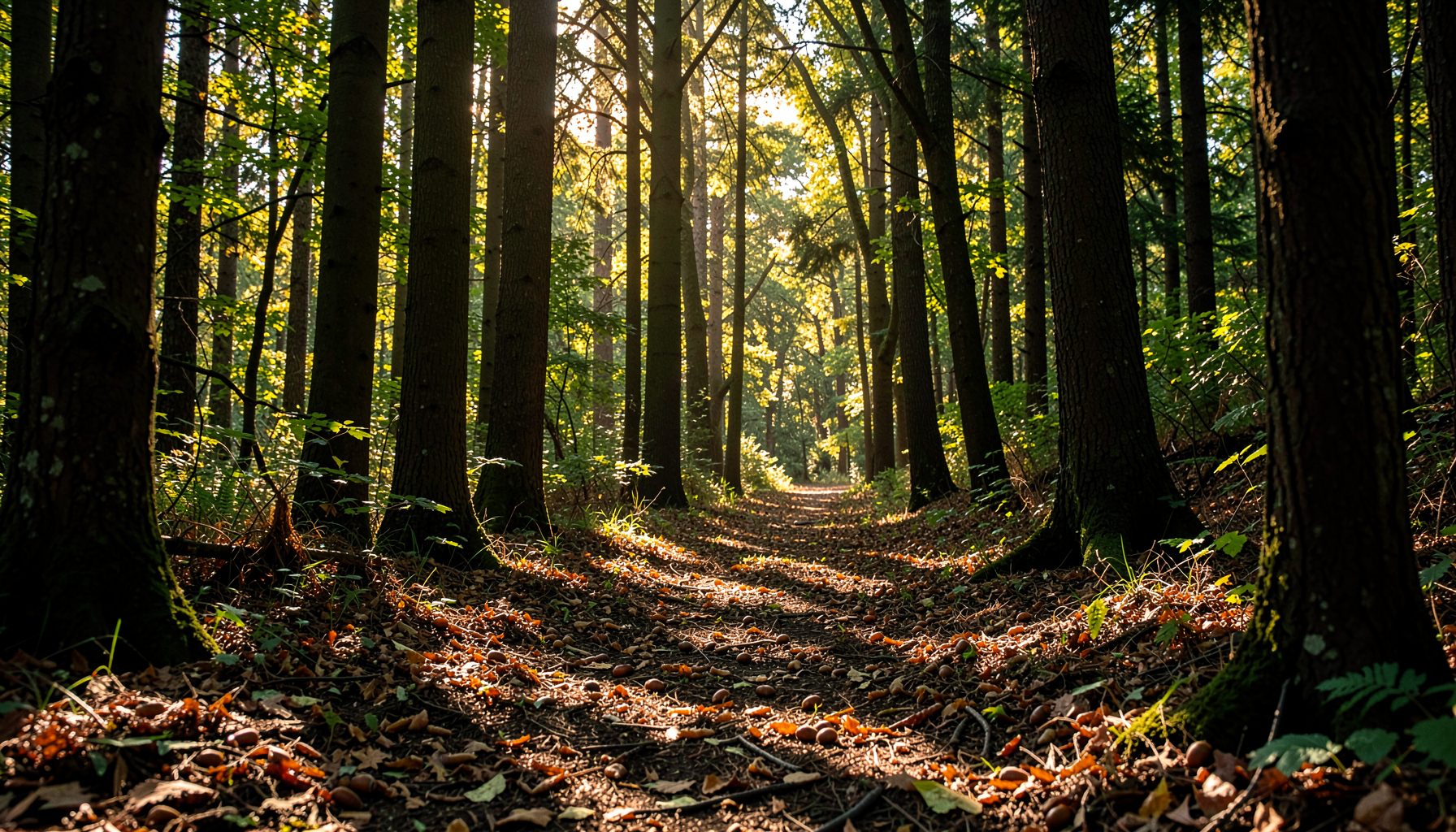
How Seed Collection Supports Forest Carbon Storage
A forest begins its carbon journey long before a seedling is planted. It starts when a viable acorn, walnut or native shrub seed is gathered at the right time, protected from damage and sent into a nursery system capable of producing healthy plants. That simple act connects local volunteers with long-term forest restoration, cleaner waterways and the gradual removal of carbon dioxide from the atmosphere.
Growing Native demonstrates this connection across the Potomac River watershed. Volunteers collect native hardwood and shrub seeds, which are donated to state nurseries and raised into streamside seedlings. Once planted, these trees develop roots, trunks, branches and leaves that store carbon while helping stabilise soil and improve aquatic habitat.
The same principles matter in Australia, where urban expansion, drought, bushfire and land clearing place pressure on native vegetation. A community collecting seed in Melbourne, Brisbane or Canberra is contributing to ecological resilience when it follows local rules, protects genetic diversity and supports restoration suited to its catchment.
Why Seed Gathering Matters To Carbon Storage
Carbon sequestration is the process by which carbon dioxide is captured from the atmosphere and held in vegetation, soils and other natural reservoirs. Trees are especially effective because they combine photosynthesis with long lifespans. Leaves use sunlight to convert carbon dioxide and water into sugars, and those sugars become wood, roots, bark and other plant material.
Seed collection does not remove much carbon by itself. Its value lies in creating the pipeline for future forest growth. A well-collected seed has the potential to become a tree that stores carbon for decades. It may also produce leaf litter and fine roots that add organic matter to soil, where carbon can remain for years or longer depending on moisture, temperature and disturbance.
Genetic suitability is central to that outcome. Seeds gathered from healthy local or regionally appropriate parent trees are more likely to survive the conditions of the restoration site. In Australia, a seed source suitable for a cool, wet Tasmanian valley may perform poorly in inland New South Wales. Matching provenance to climate, soil and rainfall improves establishment and protects the carbon investment made in planting.
Early flowering plants also support the insects and birds that help ecosystems function. Growing Native’s information about flowering dogwood illustrates how a tree can provide food at a crucial seasonal moment. Biodiversity does not replace carbon storage, but it helps create a healthier forest community with stronger prospects for regeneration.
From Collected Seed To Living Forest
The path from seed to carbon-rich forest includes several stages, and losses can occur at each one. Volunteers need to identify the parent species accurately, collect mature seed without damaging the tree, record where and when it was gathered, and keep different collections separate. These records help nurseries understand provenance and select material for suitable restoration sites.
Processing and storage are equally important. Acorns and other recalcitrant seeds can lose viability if they dry out, overheat or remain in storage too long. Some species require cleaning, sorting or treatment before they can germinate. A nursery that receives carefully labelled, healthy seed can devote more resources to propagation rather than correcting avoidable collection mistakes.
Once seedlings are planted beside a creek or across a degraded forest edge, their carbon benefits develop gradually. Roots bind soil, reducing erosion and keeping sediment out of waterways. Shade can lower stream temperatures, while fallen leaves contribute nutrients to aquatic food webs. These services make riparian restoration valuable in places where water quality, flood management and habitat protection are shared community concerns.
Australian communities can see this relationship in water-sensitive urban design projects around Sydney and Melbourne, where planted corridors slow runoff and connect remnant vegetation. In Brisbane, shade trees can reduce heat around homes and streets. In Perth, careful species selection is essential because sandy soils, dry summers and groundwater conditions shape whether new plantings survive.
Community Networks Multiply The Impact
Seed collection becomes more effective when it is organised as a reliable local network rather than an occasional individual activity. Schools can combine tree identification with lessons about food webs and the carbon cycle. Families can collect during seasonal walks, while workplaces and service clubs can contribute labour, transport, equipment or nursery support.
A community seed hub gives these contributions a practical home. The guide on building a community seed hub shows how a local park can become a place for storing information, coordinating volunteers and connecting seed collectors with restoration partners. In Australia, similar hubs could work through council depots, Landcare groups, botanic gardens or community nurseries, subject to landowner approval.
Participation also creates environmental literacy. Someone who learns to distinguish a mature seed from an unripe one may begin noticing flowering times, seasonal rainfall and changes in local wildlife. That awareness supports better decisions about gardening, weed control and water use. Everyday habits such as choosing native plants, keeping organic matter on soil and protecting established trees can reinforce the same ecological processes.
Local markets can strengthen the system. Australian native plant nurseries, bush regeneration contractors and Indigenous-led ecological enterprises increasingly need reliable, ethically sourced plant material. Demand should never encourage removal of seed from vulnerable populations or wild collection without permission. A transparent supply chain, fair payment and respect for Indigenous knowledge are important parts of a restoration economy.
Practical Actions For Better Restoration
The most useful volunteer contribution is careful, consistent work. A collection does not need to be large to matter, but it should be legal, traceable and appropriate for the intended landscape. People working in Australia should check council requirements, park rules and state or territory native vegetation regulations before collecting. Permission is often required on public land, and biosecurity rules may restrict moving plant material between regions.
Before collecting
- Learn the target species from reliable field guides or local experts.
- Ask the land manager for written permission and collection limits.
- Choose several healthy parent trees rather than taking heavily from one tree.
- Record the location, date, habitat and approximate parent-tree details.
- Carry clean containers and keep each species or provenance separate.
After collecting
- Remove damaged or diseased material and follow the receiving nursery’s instructions.
- Label every batch clearly so its origin is not lost.
- Store seed according to its species requirements, not a one-size-fits-all method.
- Deliver it promptly to a nursery, seed hub or approved restoration partner.
- Track planting sites and survival so future collections can improve.
Seed collection must also respect cultural and ecological boundaries. Some Australian plants have long-standing relationships with Aboriginal communities, and local Indigenous organisations should be involved where appropriate. Collectors should avoid rare populations, wildlife food sources and sites already stressed by drought or fire. Responsible practice protects the genetic and ecological foundations that make future carbon storage possible.
Managing Carbon Benefits Over Time
A planted tree is not an instant carbon credit. Its sequestration rate depends on survival, growth, species, climate, soil, competition and disturbance. A seedling that dies during its first hot summer stores very little carbon, while a mature tree may continue accumulating biomass for many decades. Restoration plans therefore need watering during establishment where appropriate, weed management, protection from browsing and follow-up monitoring.
Fire is a particularly important consideration for Australian projects. Many native species are adapted to fire, but repeated severe burns can prevent woodland recovery and release stored carbon from vegetation and soil. In cities such as Canberra and Adelaide, restoration planning must account for bushfire risk, access for emergency services and the placement of species in defensible, ecologically suitable zones.
Carbon accounting should be honest about permanence and additionality. Australian projects seeking Australian Carbon Credit Units operate under rules established through the Carbon Credits (Carbon Farming Initiative) Act 2011 and approved methods. A volunteer seed collection may support a restoration project, but it does not automatically generate offsets or qualify as a carbon market project. The strongest immediate claims usually concern seedlings produced, hectares restored, survival rates, shade, erosion reduction and habitat improvement.
Seed handling itself can determine whether a restoration program reaches its targets. Some seeds need a period of cold, moist conditions before germination. For a clear explanation of winter seed stratification, volunteers and educators can explore how seasonal cues help break dormancy. Applying the right treatment increases germination, reduces wasted seed and improves the number of healthy plants available for carbon-focused restoration.
Over time, monitoring can connect volunteer effort with measurable ecological change. Useful records include the number of seeds collected, germination rates, seedlings planted, tree survival, canopy development, soil condition and streambank stability. Remote sensing may estimate canopy cover, while field surveys verify what is happening at ground level. Combining these methods gives communities a more credible picture than relying on planting numbers alone.
The result is a long relationship between people, plants and place. Seed collectors provide the starting material, nurseries build healthy seedlings, land managers create suitable planting conditions, and local communities protect the growing forest. Each stage supports carbon storage while delivering benefits that are visible in daily life: cooler streets, cleaner creeks, better habitat and more resilient landscapes.
Volunteers, schools, families and workplaces can strengthen that chain by joining a local seed collection activity, learning native tree identification and supporting a trusted restoration partner. Every responsibly gathered seed is a practical investment in forests that can store carbon, protect waterways and serve future generations.