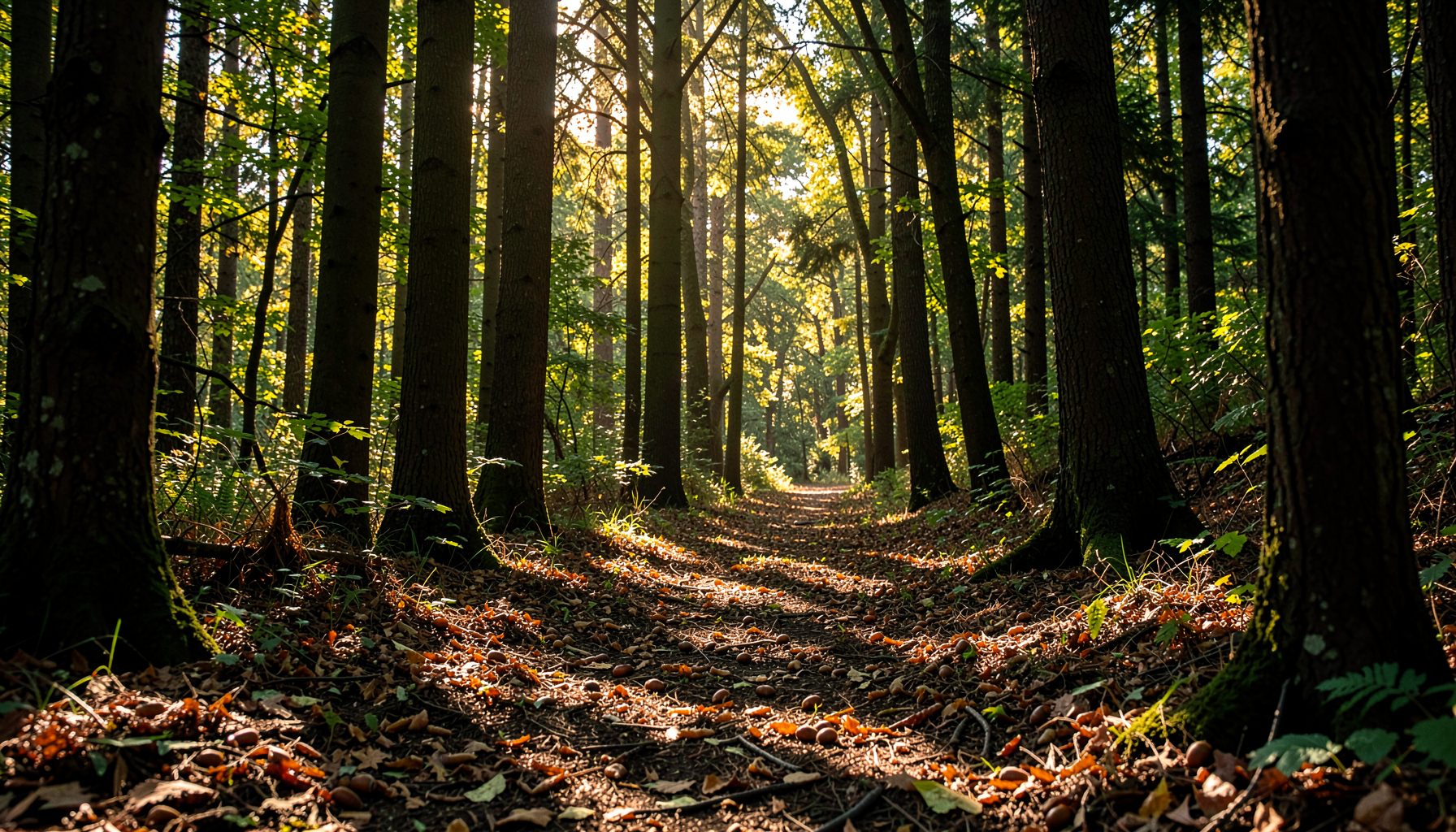
How winter prepares native seeds for spring growth
A seed can appear lifeless through the coldest months while undergoing a carefully timed biological process. For many native trees and shrubs, winter is not an obstacle to germination. It is part of the signal that tells a dormant embryo when conditions are safe for growth.
This natural timing mechanism is called cold, moist stratification, or winter seed stratification. It combines temperature, water, oxygen, and time to overcome dormancy. Understanding these factors helps volunteers collect viable acorns, walnuts, and other native seeds while supporting restoration across the Potomac River watershed.
When native seeds are gathered and prepared correctly, they can become streamside seedlings that stabilize soil, filter runoff, improve wildlife habitat, and strengthen forest diversity. The science is practical as well as ecological: every stage, from seed maturity to spring planting, affects the future tree.
Why native seeds wait for winter
Seed dormancy is a survival strategy. If every mature seed germinated immediately in autumn, many young plants would face freezing temperatures, short daylight, and inadequate moisture. Dormancy prevents premature growth and spreads germination into a season when seedlings have a better chance of surviving.
Several barriers can keep a seed inactive. Some have a hard or impermeable seed coat that limits water absorption. Others contain chemical inhibitors, especially abscisic acid, that suppress embryo growth. In still other species, the embryo is underdeveloped at dispersal and needs time to mature before it can produce a root and shoot.
Winter gradually changes these conditions. Moisture softens or alters the seed coat, while prolonged chilling affects hormones and gene activity inside the embryo. As inhibitory signals decline and growth-promoting hormones become more influential, the seed moves from physiological dormancy toward germination readiness.
What cold, moist stratification does
Cold stratification is most effective when seeds are both cool and damp. Moisture allows biochemical reactions to continue, but the temperature remains low enough to prevent active shoot growth. In nature, fallen seeds rest beneath leaves, in damp soil, or along forest edges where they experience this combination for weeks or months.
The process can involve enzymes that modify stored food reserves, changes in cell membranes, and gradual development of the embryonic root. Chilling also alters the balance between abscisic acid and gibberellins. Abscisic acid helps maintain dormancy, while gibberellins support the growth processes needed for germination.
Temperature is important because chilling is not simply a matter of exposing seeds to cold air. A dry seed in a freezer may remain dormant, and a wet seed kept too warm may rot or germinate prematurely. Successful stratification depends on a narrow relationship among moisture content, temperature, duration, and species-specific biology.
The role of seed coats and embryos
A seed coat protects the embryo from drying, physical damage, microbes, and digestive systems of animals. That protection can become a barrier when the seed is ready to sprout. In some hardwoods, natural weathering, soil abrasion, freezing and thawing, or microbial action gradually makes the coat more permeable.
Acorns illustrate a different pattern from many hard-coated legumes. Fresh oak acorns often contain relatively developed embryos and may germinate after a period of cool, moist storage. They also lose viability quickly if allowed to dry excessively. Walnuts have substantial shells and internal structures that delay water uptake, so their preparation and storage needs differ from those of acorns.
Seed maturity matters as much as winter exposure. Green, immature seeds may lack fully developed embryos, while over-dried or insect-damaged seeds may no longer be viable. Collectors should favor sound seeds from healthy parent trees, handle them gently, and keep them cool and moist when the species requires it.
Species respond to winter in different ways
There is no universal stratification recipe for every native plant. Oaks, hickories, walnuts, maples, dogwoods, and shrubs each have distinct dormancy patterns. Even within a genus, seeds from different species or regions may respond differently because of genetic adaptation and local climate.
The comparison below describes broad tendencies rather than rigid rules. Natural seed collection programs should follow species-specific guidance from nurseries or conservation partners, especially when preparing large quantities for restoration.
| Seed type or group | Typical dormancy pattern | Winter conditions that help | Important handling concern |
|---|---|---|---|
| White oak acorns | Often germinate soon after a cool, moist period | Keep evenly moist and cool | Drying can reduce viability quickly |
| Red oak acorns | Usually require longer winter chilling | Sustained cold and moisture | Inspect for insect damage and mold |
| Walnuts and hickories | Hard coverings and deeper dormancy | Extended cold, moist exposure | Shells may slow water absorption |
| Maple samaras | Many germinate after seasonal chilling | Moist, cool storage for the required period | Some species lose viability during prolonged storage |
| Native shrubs | Highly variable by species | Follow species-specific protocols | Small seeds can be easily misplaced or over-dried |
Natural stratification also varies with weather. A mild autumn may delay chilling, while an unusually dry winter can reduce moisture available around buried seeds. In a forest, leaf litter buffers these changes. In managed storage, the same protective environment must be recreated as consistently as possible.
From forest floor to nursery bed
Seed collection should begin with identification and timing. Mature seeds are generally collected after they have naturally developed but before wildlife, fungi, or weather remove them. Volunteers who are learning local species can use a reliable tree identification guide to distinguish parent trees and recognize seed characteristics.
After collection, seeds should be sorted and examined. Discard cracked, hollow, shriveled, moldy, or heavily insect-damaged material. A simple float test may reveal some empty seeds, though it is not reliable for every species. Records of species, collection date, location, and parent tree can help nurseries track regional diversity and improve future restoration work.
For artificial stratification, viable seeds are commonly placed in a damp medium such as clean sand, peat, or vermiculite and kept at a controlled cold temperature above freezing. The medium should feel moist but should not release water when squeezed. Containers need limited airflow and regular inspection because stagnant, saturated conditions encourage fungal growth.
Germination should be checked periodically. A seed that produces a small root is ready for careful planting, but the root is fragile and should not be allowed to grow deeply into the storage medium. Moving seeds at the right time prevents damage and gives the emerging seedling access to light, air, and growing space.
Reading the signs of readiness
The clearest sign that dormancy is ending is radicle emergence. The radicle is the embryonic root, and its appearance means the seed has moved beyond simple storage into active development. Some seeds may also swell, split along a natural seam, or show a pale root tip before any shoot appears.
Not every seed will respond at the same pace. Variation is normal and can reflect differences in maturity, genetic traits, seed position within a fruit, or exposure to moisture. A batch that germinates over several weeks may produce seedlings better suited to changing spring conditions than one that emerges all at once.
Failed germination can have several causes. Seeds may have been collected too early, allowed to dry, chilled for too short a period, exposed to excessive warmth, or damaged by insects. Mold often indicates too much moisture or insufficient ventilation. Careful notes make it easier to identify the cause and improve future batches.
Why stratification matters for watershed restoration
Growing native trees from locally collected seed supports forests that are adapted to regional soil, climate, and wildlife relationships. Along streams, those trees shade water, anchor banks, absorb nutrients, and provide leaf litter that supports aquatic food webs. Their roots also reduce erosion during storms.
The process connects seasonal ecology with long-term stewardship. A volunteer gathering acorns in autumn may be contributing to seedlings planted years later along a tributary. Those seedlings can mature into a diverse riparian corridor that improves water quality and creates movement routes for birds, mammals, insects, and amphibians.
Programs that coordinate volunteers with state nurseries turn small collections into dependable restoration material. People can learn about watershed education resources while seeing how seed biology relates to stream health, forest regeneration, and community action.
Practical habits for reliable seed preparation
The most successful approach is careful, cool, clean, and species-aware. Volunteers do not need complicated laboratory equipment, but they do need to respect the biological requirements of each seed type and communicate clearly with the nursery or conservation program receiving the collection.
Useful habits include:
- Collect only mature, healthy seeds from correctly identified native trees and shrubs.
- Keep seeds from different species and collection sites labeled and separate.
- Prevent drying when working with moisture-sensitive seeds such as many acorns.
- Use a damp, clean medium and a cool environment rather than saturated or freezing conditions.
- Inspect stored seeds regularly and report mold, damage, or early germination.
These practices protect both the seed and the information attached to it. A labeled container with a collection date and location is far more valuable for restoration than an unidentified mixture, even if both contain viable seeds.
Winter seed stratification reveals how closely forest recovery depends on timing. Cold does not simply pause a seed; it helps prepare the embryo for a coordinated response to spring moisture, warmth, and light. By collecting responsibly and handling seeds with care, volunteers help convert a quiet winter process into living forests and healthier waterways.
Growing Native offers opportunities for individuals, families, schools, community groups, and workplaces to take part in that cycle. Explore the program’s educational materials and volunteer activities, then join the seasonal work of collecting native seeds for the next generation of Potomac watershed forests.