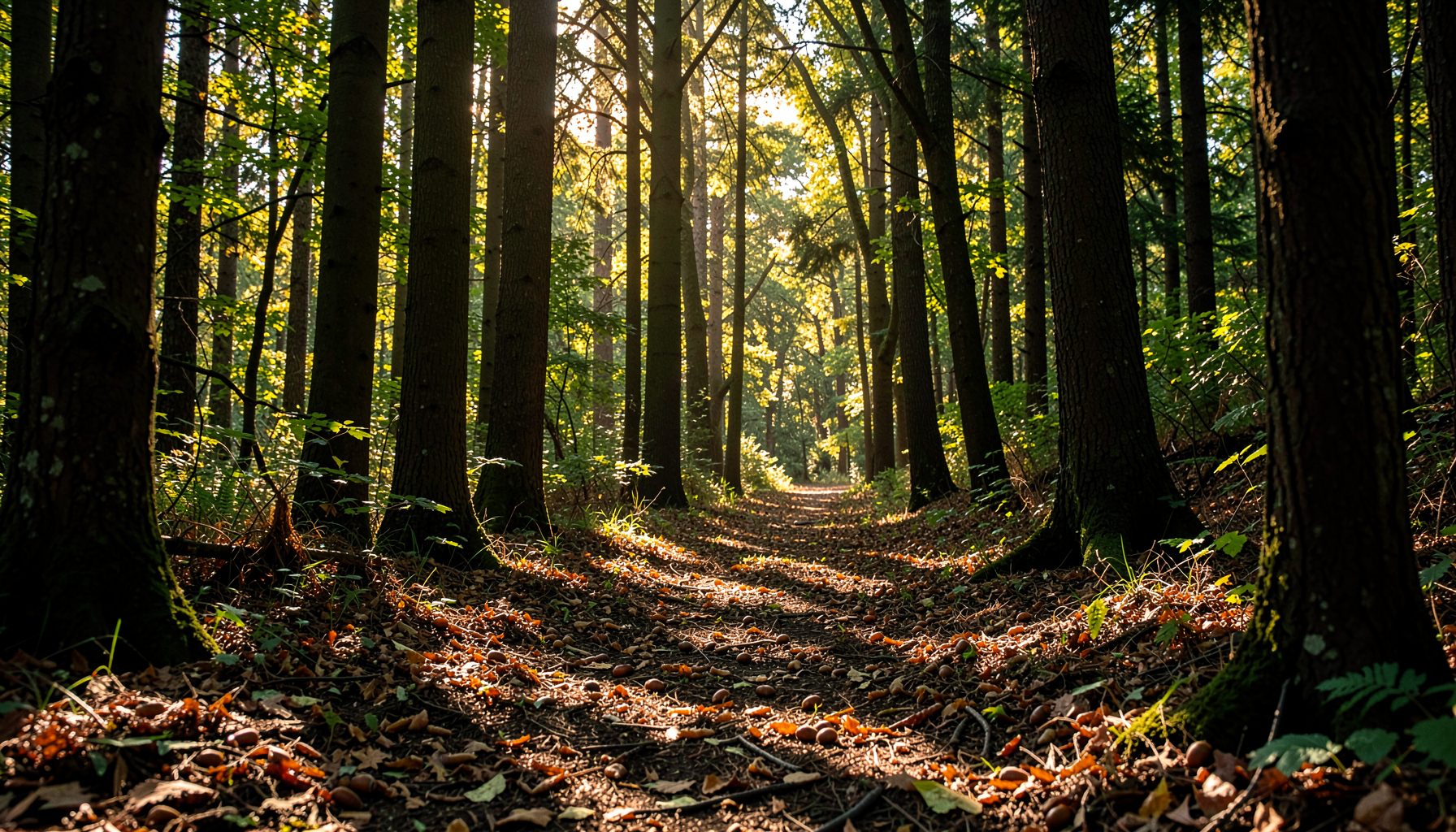
A Local Park Seed Hub for Stronger Forests
A community seed hub turns a familiar public space into a practical conservation site. Instead of treating fallen acorns, walnuts, and native shrub seeds as yard waste, neighbors can gather, sort, document, and deliver them for propagation. The resulting seedlings may eventually shade streams, stabilize soil, and connect fragmented forest habitat.
A park is especially useful because it already provides public access, open gathering areas, and a visible setting for environmental education. With permission from the land manager and a simple operating plan, volunteers can create a seasonal program that welcomes families, schools, scout groups, workplaces, and experienced naturalists.
The strongest projects are organized around local ecology rather than volume alone. A seed hub should collect suitable native species from healthy trees, protect volunteers and wildlife, preserve accurate records, and move viable seed promptly to a nursery or restoration partner.
Define the purpose and local need
Begin by explaining what the seed hub will accomplish. In the Potomac River watershed, locally collected hardwood and shrub seed can support streamside reforestation, erosion control, cleaner water, and more resilient forests. A clear purpose helps volunteers understand why a bucket of acorns matters several years before a seedling is planted.
Review the park’s surrounding landscape before choosing collection targets. Look for nearby streams, wetlands, steep slopes, maturing forests, invasive plant infestations, and areas where tree cover is thin. The hub does not need to solve every ecological problem. It can focus on collecting native seed for riparian buffers, habitat corridors, or a specific watershed restoration effort.
Set realistic seasonal goals. A first-year project might aim to recruit 20 regular volunteers, document 10 reliable parent trees, and deliver several labeled batches to a participating nursery. Measurable goals make it easier to recognize progress and adjust the program when weather, wildlife, or poor seed production affects the harvest.
Build the partnership before collecting
A successful seed hub needs a small group of committed partners. Start with the park manager or municipal agency, then invite a local watershed organization, native plant group, school, library, community association, or business. Each partner can provide something different: permission, volunteers, storage space, educational support, transportation, or publicity.
Confirm collection rules in writing. Public land may restrict removing natural materials, entering certain areas, collecting near roads, or disturbing wildlife. Ask whether volunteers need permits, whether collection days must be scheduled, and where seed may be temporarily stored. Never assume that public access gives the public permission to harvest.
Identify the receiving nursery or restoration program before the first event. Ask which species are wanted, what quantities are useful, how seed should be handled, and when deliveries should occur. Growing Native’s educational resources can help groups connect seed collection with broader lessons about forest ecology, tree planting, and watershed health.
A written one-page agreement can prevent confusion. It should name the site coordinator, approved collection locations, target species, volunteer age requirements, safety procedures, storage expectations, delivery arrangements, and a process for reporting concerns.
Choose the site and prepare the equipment
Select a hub location that is easy to find, accessible by foot, and close to the collection areas. A picnic shelter, visitor center, maintenance building, or covered outdoor table can work well. The space should allow volunteers to check in, spread seed for inspection, label bags, and keep gathered material out of direct sun and standing water.
Collection equipment can remain simple and inexpensive. Useful supplies include breathable paper bags, shallow crates, buckets, gloves, hand pruners for approved collection, permanent markers, labels, clipboards, hand sanitizer, first-aid materials, and a few tarps. Avoid sealing fresh seed in airtight plastic for long periods because trapped moisture can encourage mold and overheating.
Create separate areas for intake, inspection, labeling, and temporary holding. Color-coded bins can distinguish species or collection dates, while a large sign can remind volunteers to keep each batch separate. Separation protects the value of the records and makes it easier to remove damaged or misidentified seed.
Use a site map to mark parent trees and collection zones. Number each tree or group of trees rather than relying on memory. The map does not need to be elaborate; a printed park map with handwritten notes, paired with GPS coordinates when available, is enough for a reliable beginning.
Teach volunteers to recognize good native seed
Training should happen before the main collection season. A short orientation can cover leaf shape, bark, fruit, nuts, capsules, mature color, and the differences between desirable native species and common look-alikes. Volunteers do not need to become botanists, but they should know when to pause and ask for help.
Use photographs, fresh samples, field guides, and marked parent trees. The tree identification guide is a useful reference for learning distinguishing features and building confidence outdoors. Encourage volunteers to photograph the source tree and its leaves or fruit whenever identification is uncertain.
Teach people to collect mature, healthy seed from the ground or from reachable branches only where permission allows. Volunteers should avoid climbing, shaking large limbs, entering unstable areas, or gathering seed contaminated by roadsides, pet waste, chemicals, or visible fungal growth. They should also leave enough food for birds, squirrels, and other wildlife.
A simple intake check can classify material as ready, questionable, or unsuitable. Good seed is generally full, firm, intact, and appropriate for the target species and season. Discard cracked, hollow, badly shriveled, insect-riddled, or moldy material according to the receiving partner’s instructions. Do not mix uncertain seed into a clean batch.
Organize collection, labeling, and handling
A seed hub becomes dependable when every batch carries useful information. At minimum, labels should include species, collection date, park and collection zone, parent tree or source number, collector initials, and any notes about condition. If the nursery uses a special code, include it exactly as requested.
The table below provides a practical operating framework for common seed-hub tasks. Local instructions from a nursery or land manager should always take priority, especially for storage and delivery.
| Task | Volunteer action | Record to keep | Common mistake to avoid |
|---|---|---|---|
| Locate source trees | Visit approved collection zones and identify healthy native trees | Tree number, location, species | Collecting from an unknown or unsuitable tree |
| Gather seed | Pick mature, clean seed without damaging habitat | Date, collector, quantity | Taking all available seed from one area |
| Inspect | Remove damaged, empty, or moldy material | Rejected amount and reason | Mixing questionable seed with viable seed |
| Label | Use a durable label inside and outside each container | Species, source, date, batch code | Relying on memory after the event |
| Hold temporarily | Keep seed cool, shaded, dry or appropriately moist as directed | Storage location and time | Leaving bags in a hot vehicle |
| Deliver | Transfer batches to the nursery or restoration partner | Recipient, date, quantity | Delaying delivery without notifying the recipient |
Schedule collection events around natural ripening rather than a fixed annual date. A coordinator can monitor target trees weekly and announce a harvest window when enough seed has matured. Short, well-timed events often produce better material than a long campaign held too early or too late.
Keep volunteers moving through defined roles. One person can greet participants, another can lead identification, others can collect, and a final team can inspect and label. Rotating jobs makes the event welcoming for beginners while giving experienced volunteers a chance to coach others.
Make learning part of every gathering
A community seed hub should be more than a sorting station. Add brief activities that show how seeds become forests and how forests protect water. Children can compare seed shapes, map a parent tree, or measure the shade beneath a mature canopy. Adults may be interested in native species selection, invasive plant control, or the relationship between streamside roots and erosion.
Schools and youth groups can use the project across several lessons. Students might study seasonal changes, calculate collection totals, write labels, research wildlife that depends on mast, or follow a batch from park to nursery. A workplace group can combine a volunteer day with a discussion about stormwater, green infrastructure, and local environmental responsibility.
Publicize events through park signs, neighborhood newsletters, social media, libraries, faith communities, and partner mailing lists. Give every event a clear meeting location, duration, age guidance, clothing advice, and registration method. People are more likely to participate when they know whether they should bring gloves, expect a short walk, or work outdoors in changing weather.
Use the hub to build relationships between collection seasons. Offer a winter tree-bud walk, a spring stream cleanup, or a summer park tour. These activities keep volunteers connected and reinforce the idea that seed collection is one stage in a long restoration cycle.
Keep the program safe, inclusive, and accountable
Safety planning should cover heat, storms, ticks, poison ivy, falling branches, traffic near park entrances, tool use, hydration, and emergency communication. Designate a first-aid lead and establish a check-in system for minors. Volunteers should wear sturdy shoes and weather-appropriate clothing, and coordinators should cancel or relocate events when conditions become unsafe.
Make participation accessible wherever possible. Provide tasks that do not require bending, long walks, or heavy lifting, such as labeling, recording, photography, sorting, and education. Offer clear instructions in plain language, and consider multilingual signs or translated materials for neighborhoods where they are needed.
Track both ecological and community outcomes. Useful measures include volunteer hours, participating groups, number of parent trees documented, species collected, batch quality, seed quantity delivered, and later seedlings planted. Add notes about wildlife observations, invasive species, weather, and lessons for the next season.
- Review the collection map before every event and remove locations that have become unsafe or unsuitable.
- Keep native species, source trees, and collection dates separate in all containers and records.
- Contact the receiving nursery promptly if seed quality, quantity, or timing differs from the original plan.
- Share results with volunteers through a short seasonal report, photographs, and planting updates.
- Revisit the park each year to improve access, training, signage, and habitat protection.
A well-run seed hub can become a lasting neighborhood institution. It gives people a practical role in restoring forests while helping them see the connections among trees, soil, wildlife, and clean water. Begin with one approved park area, a few reliable partners, and a manageable collection day, then build the program as local knowledge and trust grow.
Bring your park manager and community partners together, identify the first native parent trees, and set a collection date. Each carefully labeled seed batch is a small investment in healthier forests and waterways across the watershed.