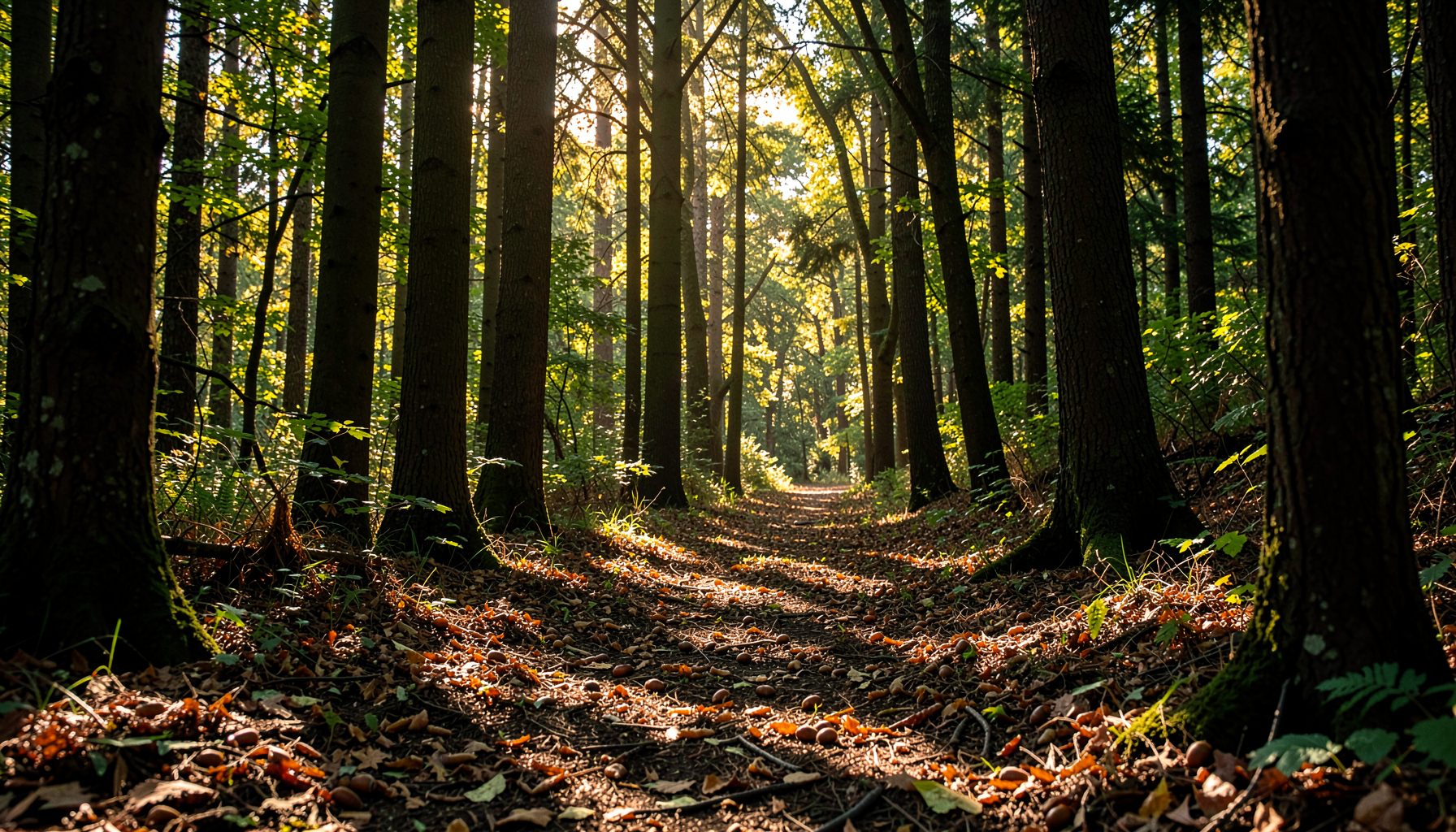
How to organize a school field trip for seed collection
A school field trip for seed collection can turn a short walk through the woods into a practical lesson about forest regeneration, clean water, and community stewardship. Students observe how native trees reproduce, gather seeds responsibly, and connect their work to seedlings that may one day stabilize streambanks across the Potomac River watershed.
The strongest trips combine clear learning goals with simple logistics. Students should know what they are looking for, why native hardwoods matter, how to collect without damaging the forest, and what happens after the seeds leave the collection site. With thoughtful preparation, the experience can serve science, environmental education, geography, and civic learning objectives at the same time.
Growing Native offers a useful model for this kind of hands-on conservation. Its volunteer program engages schools in collecting native hardwood and shrub seeds, including acorns and walnuts, for state nurseries. The process gives students a meaningful role in restoring forests and waterways while helping teachers connect classroom concepts to a local ecosystem.
Choose a clear purpose and suitable site
Begin by deciding what students should understand or practice. A class might focus on tree identification, seed dispersal, watershed protection, biodiversity, or the connection between forests and erosion control. Write two or three age-appropriate objectives, such as identifying three native tree species, explaining how seeds become seedlings, or collecting safely according to program guidelines.
The location should support those goals without creating unnecessary risk. Look for a site with healthy native trees, easy walking routes, reliable transportation access, and enough space for groups to spread out. A public park, school forest, nature preserve, or managed woodland may work well, provided the land manager allows seed collection. Never assume that students can remove natural materials from public or private property.
Contact the host organization well in advance. Ask which species are needed, when seeds are mature, how much can be collected, and whether staff or trained volunteers will lead the activity. A conservation partner can also explain how to distinguish usable seeds from damaged, immature, or nonnative material.
Build a learning-centered itinerary
A field trip works best when the collection is part of a larger sequence rather than the entire lesson. Before visiting the site, introduce native trees, forest layers, seed dispersal, and the role of streamside vegetation. Use photographs, bark samples, leaves, or classroom observations to help students recognize common species. This preparation makes the outdoor activity more focused and gives students confidence.
A simple itinerary might begin with a brief welcome and safety talk, followed by a guided tree-identification walk. Students can then work in small teams to search beneath approved trees, sort their finds, record observations, and meet for a final debrief. Build in time for questions and reflection instead of filling every minute with tasks.
Connect the activity to watershed health. Tree roots help hold soil in place, while forested stream buffers filter runoff, moderate water temperature, and provide habitat. Students should understand that an acorn or walnut collected today is part of a longer restoration process. The seed may be cleaned, stored, germinated in a nursery, planted as a seedling, and eventually become part of a healthier forest.
For younger students, emphasize colors, shapes, textures, and simple counting. Older students can measure collection areas, compare seed abundance under different trees, map observations, or discuss how land development and air quality affect forest reproduction. For background on environmental pressures that can influence oak trees, share this overview of urban air pollution before the trip.
Arrange permissions, staffing, and safety
A school outing requires more than transportation and permission slips. Confirm the date, site access, weather policy, restroom availability, emergency procedures, and accessibility needs. Collect medical information through the school’s established process, and make sure every adult knows how to contact the teacher, school office, and emergency services.
Maintain a suitable adult-to-student ratio and divide the class into small teams. Each team should have an assigned adult or responsible student leader, a defined collection zone, and a simple task. Avoid sending children out of sight or allowing them to wander between groups. Bright vests, matching hats, or team cards can make supervision easier in a wooded setting.
Review safety expectations before leaving school and repeat them at the site. Students should stay on marked paths unless an adult gives permission, avoid climbing trees, and never taste seeds, berries, mushrooms, or other plants. Discuss ticks, poison ivy, thorny vegetation, uneven ground, insects, weather changes, and handwashing. Closed-toe shoes, long pants, water, sun protection, and weather-appropriate layers should be standard.
Prepare a field kit with first-aid supplies, emergency contacts, gloves, collection bags, clipboards, pencils, hand sanitizer, water, species guides, and a phone or camera for documentation. Keep collection containers labeled by species and location. If the partner organization supplies specific bags or handling instructions, follow those directions rather than improvising.
Teach identification and responsible collection
Students need a reliable way to identify the target trees before they begin gathering seeds. Teach them to use several clues together: bark, branching pattern, buds, leaves when available, fruit, and the surrounding habitat. A short identification station at school can help children compare similar species and practice using a guide.
Winter trips require special preparation because leaves may be absent. Show students how to recognize a northern red oak by its deeply ridged bark, rounded crown, stout twigs, and clustered terminal buds. The guide on identifying northern red oak can support a classroom review before students search the forest floor.
Collection should be selective and gentle. Ask students to gather mature, intact seeds from the ground rather than pulling them from branches or disturbing roots and leaf litter. They should avoid moldy, cracked, insect-damaged, or excessively shriveled specimens unless the conservation partner requests them for a specific reason. Leave some seeds behind for wildlife and natural regeneration.
Give each team a target and a stopping point. For example, one group might collect a modest number of sound acorns beneath a marked oak, while another records the tree’s location and condition without collecting. This approach prevents overharvesting and encourages students to observe the whole ecosystem rather than treating the forest as a supply area.
Coordinate the field day
Use a written schedule that adults can follow without repeatedly gathering the entire class. Assign roles such as lead naturalist, attendance coordinator, first-aid contact, photographer, materials manager, and team leaders. Keep the opening talk brief, then move students into active learning while attention is high.
| Field-trip stage | Student activity | Adult responsibility | Suggested time |
|---|---|---|---|
| Arrival and orientation | Listen, ask questions, review boundaries | Take attendance and explain safety rules | 15 minutes |
| Tree-identification walk | Compare bark, buds, leaves, and seeds | Demonstrate target species | 25 minutes |
| Collection period | Gather, count, and inspect seeds | Supervise zones and check quality | 35 minutes |
| Sorting and recording | Label samples and note observations | Confirm species and quantities | 20 minutes |
| Reflection and departure | Share discoveries and next steps | Pack materials and repeat head count | 15 minutes |
Use visible signals for transitions, such as a whistle, raised hand, or bell. Set a meeting location and make sure all adults know it. Schedule a water break even if the weather is cool, since students may become absorbed in searching and forget to drink.
Weather conditions can change the plan quickly. Have an indoor backup lesson involving seed sorting, tree identification, watershed mapping, or a nursery presentation. Postpone the outing during severe storms, high winds, flooding, extreme heat, or unsafe trail conditions. A successful trip depends on protecting students and the collection site, not forcing an unsuitable schedule.
Handle and document seeds after collection
The work continues when students return to school. Seeds should be kept cool and handled according to the receiving nursery’s instructions. Do not seal damp acorns or walnuts in airtight containers, because trapped moisture can encourage mold. Label every collection with the species, date, location, school, and team if the program requests that information.
A post-trip sorting session reinforces observation skills. Students can inspect seeds with hand lenses, compare size and condition, and calculate the proportion that appears viable. They can create a simple data sheet showing where each species was found and discuss why some trees produced more seeds than others. These observations are useful without treating a single collection day as a complete scientific survey.
Help students follow the seed’s next steps. Growing Native’s explanation of the acorn’s journey can support a lesson about collection, nursery care, planting, and forest restoration. Students may write a “seed passport” describing where their group found the seed and what environmental service its future tree could provide.
Connect the results to mathematics and language arts. Students can graph totals by species, estimate collection rates, write field journals, or produce a short public-service announcement about native trees. A display in the school hallway can show photographs, maps, labeled seeds, and a description of how streamside forests improve water quality.
Make the experience inclusive and lasting
Plan activities that allow every student to contribute. Some children may collect seeds, while others photograph trees, record data, identify specimens, carry lightweight supplies, or interview the visiting conservation specialist. Provide seated observation points or shorter routes when needed, and check trail surfaces and restroom access before the trip.
Families and community groups can extend the project beyond one class. Invite caregivers to learn about the school’s restoration partnership, or arrange a later planting event when nursery-grown seedlings are ready. A classroom tree-care project, native plant garden, or watershed monitoring activity can help students see conservation as an ongoing responsibility rather than a one-day assignment.
Use the following practices to keep future field trips organized and ecologically responsible:
- Confirm collection rules, target species, quantities, and delivery instructions with the conservation partner.
- Prepare students with identification practice, safety lessons, and a clear explanation of watershed benefits.
- Divide the class into small supervised teams with labeled supplies and defined collection zones.
- Record species, location, date, and seed condition before materials leave the field.
- Follow up with data analysis, reflection, and a practical stewardship activity at school.
Turn a collection day into lasting stewardship
A well-planned seed-collection trip gives students a direct role in the future of their watershed. They learn that restoration begins with careful observation and small, responsible actions: recognizing a native tree, leaving enough seed for wildlife, protecting the forest floor, and preparing healthy material for a nursery.
Schools can begin by contacting Growing Native, selecting an appropriate class objective, and coordinating a date with the program’s seasonal collection needs. With the right preparation, students will return with more than bags of seeds—they will carry a clearer understanding of how forests grow, how waterways are protected, and how their community can help both thrive.