The Journey of an Acorn From Forest Floor to Seedling
An acorn can look like a small, finished object, but it is really a compact beginning. Inside its shell is an embryo, a store of food, and the potential to become an oak that shades streams, shelters wildlife, and anchors soil for generations. Its journey depends on timing, moisture, temperature, wildlife, and the careful work of people who help native trees return to the landscape.
Across the Potomac River watershed, that journey connects forest ecology with clean water. Healthy oak forests reduce erosion, intercept rainfall, and contribute organic matter to streams. When volunteers gather viable acorns and other native hardwood seeds, they help state nurseries raise trees that can later be planted along waterways and in recovering forests.
From the moment an acorn drops to the moment a young oak is ready for restoration, each stage has its own requirements. Understanding those stages makes seed collection more meaningful and shows how a simple seasonal activity can support long-term environmental stewardship.
A Seed Begins On The Forest Floor
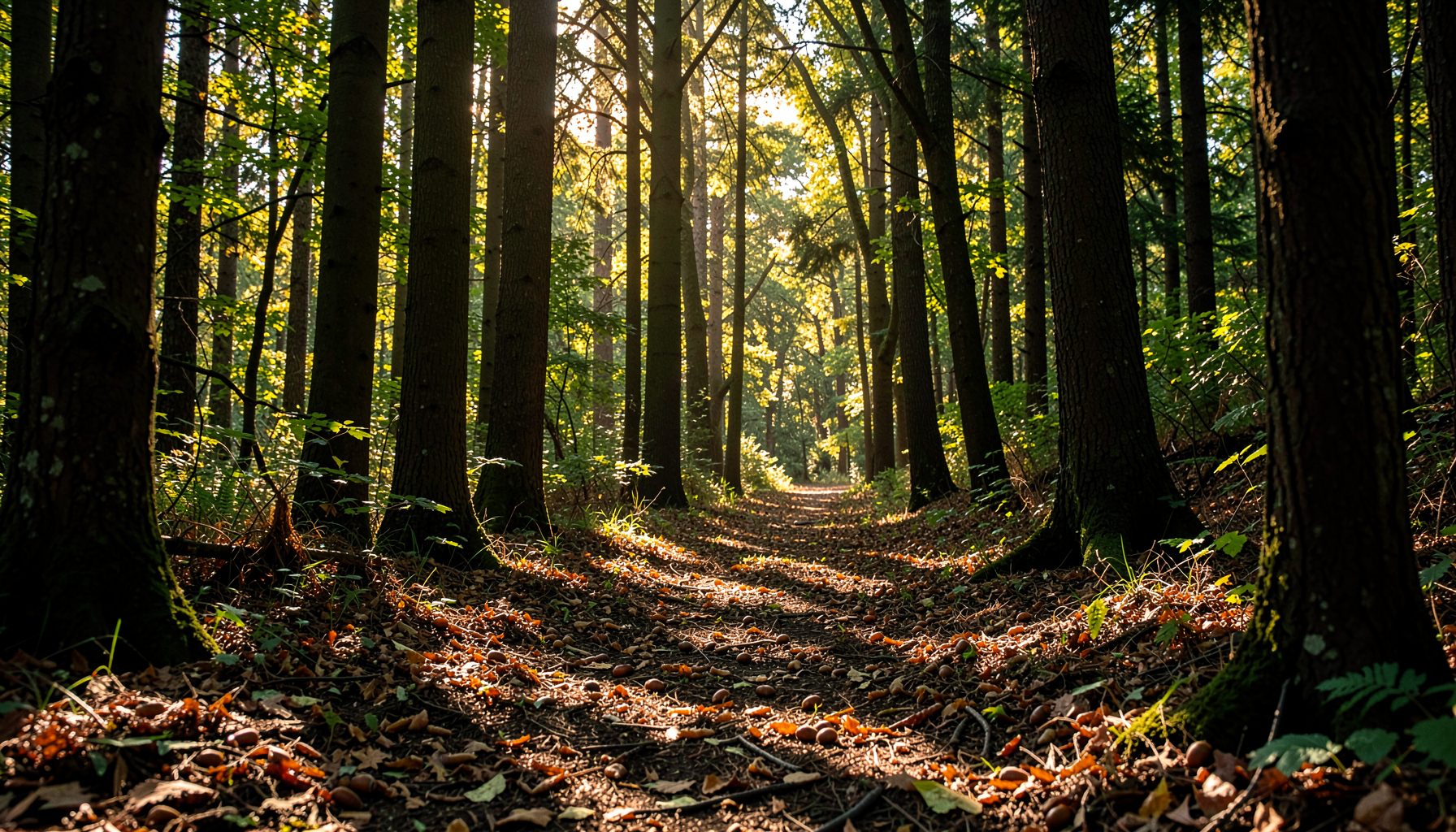
Acorns typically mature in late summer or fall, depending on the oak species and local weather. When the cap loosens and the nut falls, it may land among leaves, twigs, and soil rather than in an open patch suitable for growth. The forest floor provides insulation and moisture, but it also brings competition from fungi, insects, squirrels, deer, and birds.
A sound acorn is usually firm, heavy for its size, and free from large cracks or mold. Some minor surface marks are harmless, while soft spots, pinholes, or a hollow feel can indicate insect damage or decay. The best collection window is often short: gathering too early may produce immature seed, while waiting too long can mean that animals have already carried much of the crop away.
The acorn’s first challenge is staying viable. It should be handled gently and kept cool and slightly moist rather than sealed wet in a warm container. Unlike many dry seeds, oak acorns can lose the ability to germinate if they dry out. Their biology makes prompt, informed handling essential.
Sorting For A Living Embryo
Inside a healthy acorn, the embryo is protected by the shell and nourished by energy-rich tissue. Once conditions are suitable, the seed absorbs water and begins metabolic activity. This process is called imbibition. The shell may swell slightly, and internal growth starts well before a green shoot becomes visible.
Collection is therefore a form of careful selection. Volunteers can remove leaves and debris, discard acorns that are cracked or visibly moldy, and separate questionable specimens from sound ones. A simple float test is sometimes used to identify insect-damaged or hollow nuts, although it is not perfect; some viable acorns float, and some damaged ones sink. Physical inspection remains important.
People taking part in a community seed-gathering event should follow local guidance about species, collection areas, and quantities. The aim is not to strip a tree or remove every seed. Wildlife depends on mast crops, and a responsible harvest leaves plenty behind for squirrels, jays, deer, and natural forest regeneration.
From Collection To Nursery Care
After collection, acorns may be delivered to a partner nursery or prepared according to instructions for temporary storage. Many oak species benefit from a period of cool, moist conditions called cold stratification. This imitates winter and helps overcome dormancy, allowing the embryo to recognize that spring conditions are approaching.
The handling process must balance moisture and airflow. Acorns stored too wet can develop fungal growth, while those stored too dry may no longer germinate. Nurseries monitor temperature, humidity, and seed condition, often using labeled containers or bags so that species and collection locations remain known.
Volunteers can learn practical collection methods through seed-gathering guidance, including how to recognize suitable native seed and handle it responsibly. Those details matter because a carefully collected acorn has a much better chance of becoming a useful restoration tree than one left in a hot car or gathered after it has deteriorated.
| Stage | What Happens | Main Risk | Why It Matters |
|---|---|---|---|
| Maturity | The acorn develops on the oak tree | Collecting before it is ready | Immature seeds may germinate poorly |
| Drop | The acorn reaches the forest floor | Predation, rot, and drying | Timing affects how much viable seed remains |
| Sorting | Damaged nuts are separated from sound ones | Hidden insects or mold | Healthy embryos support reliable propagation |
| Storage | Acorns remain cool and appropriately moist | Desiccation or excess moisture | Proper conditions preserve germination potential |
| Germination | A root and shoot emerge | Cold, drought, or disturbance | The seed becomes an actively growing plant |
| Nursery growth | The seedling develops roots and leaves | Crowding, weeds, or disease | Strong seedlings are prepared for restoration |
| Planting | The young oak enters a restoration site | Browsing, drought, and competition | Establishment creates future forest and watershed benefits |
The First Root Finds Its Direction
When an acorn germinates, the radicle, or first root, usually emerges before the shoot. It grows downward in search of moisture and anchorage. This early root development is especially important for oak seedlings, which can establish a substantial root system before producing much aboveground growth.
The shoot eventually moves upward toward light. Once the first leaves open, the seedling begins photosynthesis and starts making its own sugars. The remaining acorn tissue continues to provide stored energy during this transition. At this point, the young plant is still vulnerable: drying soil, browsing animals, fungal disease, and competition from aggressive weeds can all interrupt development.
A seedling’s appearance can change quickly. The first leaves may be small and simple compared with the mature leaves of the species. Over time, the stem strengthens, the root system expands, and the plant becomes better able to withstand fluctuations in temperature and moisture. Good nursery care supports this gradual process rather than forcing rapid, weak growth.
Why Native Oaks Help Watersheds
Native oaks contribute to forest structure at many scales. Mature trees provide acorns for wildlife, cavities for birds and mammals, shade for understory plants, and leaf litter that feeds soil organisms. Their roots help hold soil in place, while their canopy slows rainfall before it reaches the ground.
These benefits are especially valuable near streams. Streamside forests, often called riparian buffers, filter runoff from roads, fields, and developed areas. Vegetation can capture sediment and nutrients, moderate water temperature, and reduce the speed at which stormwater enters a channel. A single seedling cannot perform all these functions immediately, but a connected planting of native trees can become a powerful living system over time.
Restoration projects also benefit from genetic and species diversity. Oaks are important, yet healthy forests include many native hardwoods and shrubs suited to local conditions. Seed collection programs may therefore gather walnuts, hickories, river birch, dogwood, and other species alongside acorns. This variety creates habitat layers and reduces dependence on one type of tree.
From Nursery Row To Restoration Site
When a seedling has developed a strong root system and sturdy top growth, it may be selected for planting. The destination could be a stream corridor, a former farm field, a degraded woodland edge, or another site where native vegetation is needed. Site preparation, planting season, protection from deer, and follow-up watering all influence survival.
A restoration crew places each tree at an appropriate depth, firms soil around the roots, and often adds a protective tube or cage. Mulch can conserve moisture and suppress competing plants, but it must be kept away from the trunk. During the first growing seasons, monitoring helps identify drought stress, browsing, invasive plants, and damage from storms.
The original acorn has now become part of a larger process. Its success is measured less by the height of one seedling than by whether the planting develops into a durable forest community. Over decades, the tree may produce its own acorns, shade a stream, and provide habitat that supports another generation of native life.
Small Actions That Support Forest Renewal
Seed collection is accessible to many kinds of volunteers, but careful habits improve the quality of every contribution. Families can gather during a seasonal walk, schools can connect the activity to lessons about plant life cycles, and workplaces or community groups can organize collection days around local restoration goals.
Responsible participation can include:
- Learn to identify the target oak or native shrub before collecting.
- Gather only fresh, mature seed from approved areas and leave plenty for wildlife.
- Keep different species or collection sites separate when requested by a nursery.
- Handle acorns gently, protect them from heat, and deliver them according to program instructions.
- Record the collection date, location, and species when that information is requested.
These actions turn an ordinary walk through the woods into useful conservation work. They also create opportunities to notice mast production, tree health, seasonal change, and the relationship between forests and waterways. The educational value is immediate, while the ecological benefits may continue long after the volunteers have gone home.
Help Carry The Acorn Forward
The path from forest floor to seedling depends on many links: a healthy parent tree, a timely collection, careful storage, nursery expertise, and a suitable restoration site. Volunteer seed gatherers are part of that chain, helping native trees move from local forests into projects that protect the Potomac watershed.
To support this work, explore Growing Native’s conservation program and find a way to participate through seed collection, education, or community stewardship. Each sound acorn gathered with care represents a possible future oak—and a future of deeper roots, cleaner water, and healthier forests.