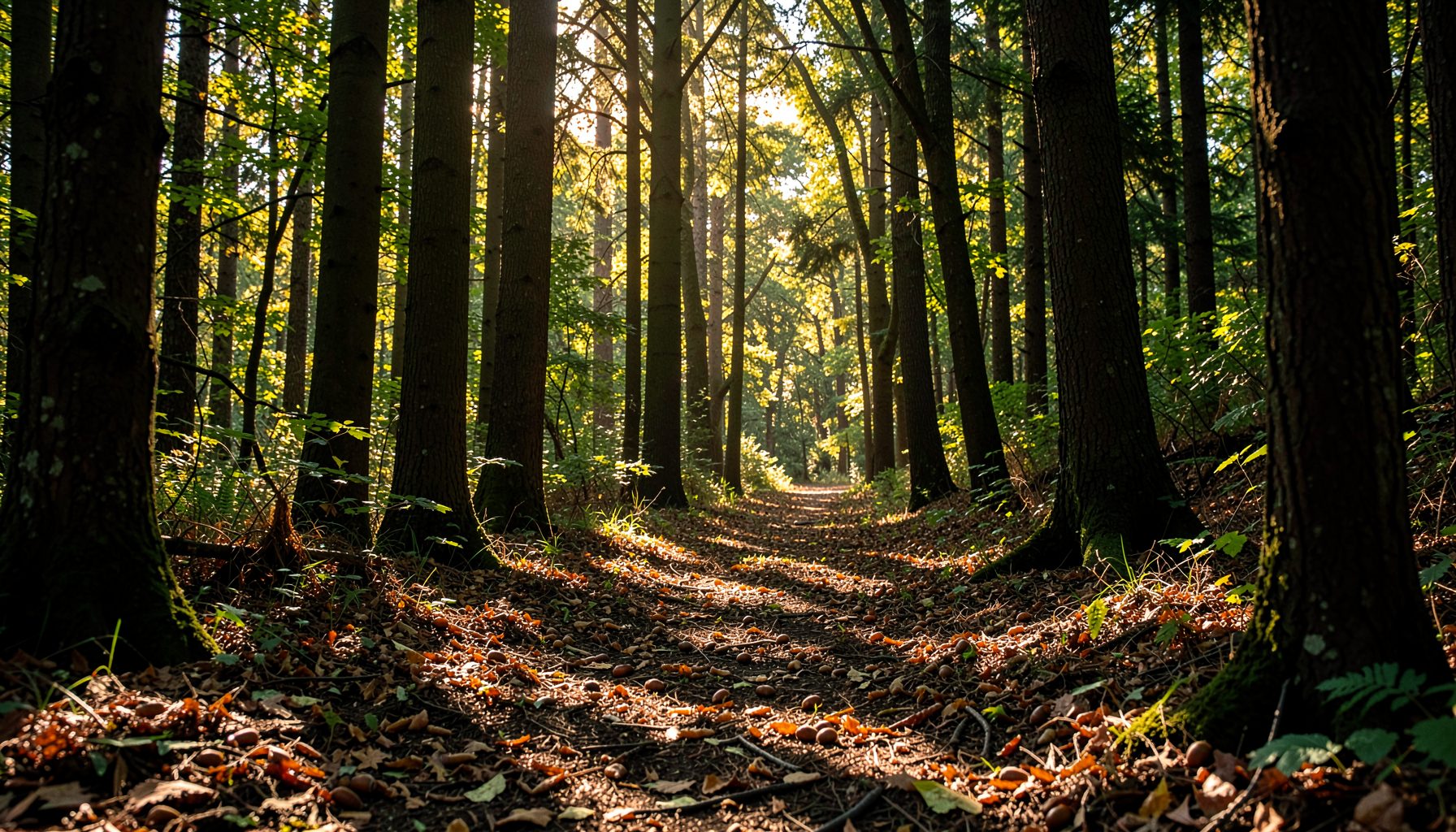
Why we reforest the headwaters to protect drinking water for millions
Rain that falls on a farm, forest or street in a river’s highest reaches eventually travels downstream. It may pass through springs, creeks, reservoirs and household taps long before anyone realises how much work upstream landscapes have done for them. Reforestation at this scale is how we protect drinking water for millions: by rebuilding the forests, shrub cover and soil conditions that slow runoff, hold sediment and keep waterways cool.
A streamside forest is more than a line of trees beside a creek. Leaf litter builds organic soil, roots bind banks, fungi cycle nutrients, and canopy shade limits abrupt water-temperature changes. Connected vegetation intercepts rainfall before it becomes fast, muddy flow. These services are cumulative, so protecting several small headwater catchments can improve conditions across an entire river system, while each restored site also creates habitat closer to home.
Growing Native turns that ecological connection into a practical programme in the Potomac River watershed. Volunteers collect native hardwood and shrub seeds, including acorns and walnuts. State nurseries receive the seeds and grow them into suitable streamside seedlings. Volunteers also learn tree identification, forest ecology and watershed science, linking careful seed gathering to visible outcomes in erosion control, cleaner water and healthy habitat.
For an Australian audience, the location changes but the logic is familiar. Melbourne, Sydney and Brisbane contain growing networks of urban creeks whose catchments are altered by roads, roofs, compacted soil and changing rainfall. Local restoration cannot replace treatment plants or catchment planning, yet it can make water infrastructure more resilient. The Potomac experience shows how public nurseries, community groups and household action can combine into a durable restoration movement.
How headwaters protect downstream communities
Headwaters are often treated as remote scenery, but they are the earliest points in a drinking-water system. A spring seeping through shaded soil carries fewer sediments than one arriving from bare, eroding ground. A vegetated gully stores more water during dry weather and releases it more gradually during intense rain. Restoring these places therefore protects water quality before treatment, reduces maintenance burdens and improves resilience during drought and flood.
Restoration works through interacting processes rather than a single dramatic intervention. Deep-rooted trees draw water from deeper soil profiles, shrubs slow runoff close to the ground, and decomposing wood supports fungi, insects and microbial communities that keep soil functioning. Native species are especially valuable because their growth, root patterns and litter chemistry suit local conditions. Diversity also reduces the risk that one pest, drought or disease will undermine an entire planting.
The result is a more natural filtration system, not a guarantee of pristine water. Leaves can still contribute nutrients, disturbed banks can fail, and polluted runoff can bypass vegetation. Restoration must therefore sit alongside monitoring, land management, water testing and well-designed urban works. Done well, it gives communities two returns from the same investment: a functioning river corridor and partial protection of the public’s drinking-water supply.
From native seed to streamside protection
Seed collection is the quiet starting point of this work. Acorns and walnuts contain the genetic material needed to regenerate forest communities, but collecting them requires the right timing, careful identification and respect for wildlife. Local guidance on autumn seed collection can help volunteers select mature material, avoid unnecessary gathering and follow responsible protocols.
The seeds are donated to state nurseries, where staff and volunteers can oversee propagation. Nursery conditions make it easier to produce strong young plants for the intended soil, light and moisture levels. A seed from the correct local population is more likely to suit the climate and ecological community where it will eventually be planted. This careful pathway—from seed to nursery to planting site—reduces the risks associated with introducing the wrong species or unsuitable stock.
Planting is only the beginning. Young trees need protection from browsing animals, competing weeds, drought and compacted soil, followed by watering during establishment. Volunteers can contribute through seed days, nursery work, planting days and monitoring. Families, schools, community organisations and workplaces can all participate, turning a restoration objective into a shared local activity while building practical knowledge of forest ecology.
What this means for Australian catchments
Australian catchments regularly face long dry periods followed by intense downpours, and altered landscapes can turn that contrast into rapid runoff. Creek margins in Melbourne, Sydney and Brisbane are affected by urban development, road building and the replacement of vegetated soil with hard surfaces. A healthy tree and shrub canopy intercepts rainfall, while roots and organic matter help the soil absorb and release water more gradually. The scale of the problem is significant because major urban catchments supply water to millions of Australians.
The issue also reaches into everyday habits. Rainwater tanks are common across many Australian homes, while garden irrigation, car washing and runoff from driveways can affect local drains and waterways. Native nurseries already sell plants such as eucalypts, melaleucas, grevilleas and sedges, giving gardeners and councils a ready local market. The important distinction is that a plant native to one Australian region may be invasive outside its natural range, so provenance and local ecological advice matter.
Regulation shapes what restoration projects can achieve. Depending on location and scale, the Commonwealth’s Environmental Protection and Biodiversity Conservation Act 1999, state vegetation-clearing laws and local council controls may apply. The Water Act 2007 and Murray-Darling Basin Plan are also relevant to water management in the Murray-Darling Basin. Growing Native’s Potomac model should not be copied species for species into Australia; instead, its community-based process can guide Australian projects using locally native trees, shrubs and grasses suited to each catchment.
Ways to strengthen a living buffer
Field observations become more useful when volunteers know how to identify a healthy streamside forest. Canopy cover, diverse plant ages, stable banks, leaf litter and visible aquatic life provide practical signs that a corridor is functioning. The same baseline helps teams spot invasive plants, erosion and declining habitat before damage becomes severe.
Successful restoration depends on a sequence of informed, practical actions:
- Protect the smallest streams by preventing vehicle damage, bank erosion and unnecessary clearing around headwater channels.
- Collect seeds responsibly by confirming species, gathering from healthy sources, observing local rules and leaving plenty for wildlife.
- Grow a diverse native mix suited to the site rather than relying on a single fast-growing tree species.
- Plant riparian vegetation in suitable soil and light conditions, grouping shrubs and trees to shade the water and stabilise banks.
- Provide aftercare through weed control, browsing protection and watering during establishment, especially through drought and hotter summers.
- Build lasting partnerships among residents, schools, nurseries, councils, Landcare groups and catchment organisations so knowledge and funding continue beyond planting day.
These actions work best as a connected programme rather than isolated events. Seed collection builds a nursery supply, healthy nurseries support reliable planting, and attentive aftercare increases survival. Community participation also creates people who recognise threats early and understand why a shaded creek, intact bank and restored forest matter beyond the property where the work began.
Grow protection from the ground up
Growing Native makes it possible to contribute directly to this work through volunteer seed collection, nursery support, planting and community education. Its approach shows that protecting drinking water is not confined to treatment plants or utility operators. It begins in the landscapes where rain first enters a river system, and it depends on people who understand the connection between a mature forest and a household tap.
In Australia, the same commitment can be directed towards the creeks, rivers and reservoirs that communities depend on. Residents can join a Landcare group, contact their local council or catchment organisation, visit an Australian native nursery or plant locally appropriate vegetation. Schools can turn seed collection and tree identification into hands-on learning, while workplaces can support community planting days or staff involvement in catchment care.
A restored streamside forest will not solve every water problem on its own, but it is a powerful part of the solution. Every responsibly gathered seed, well-matched seedling, surviving tree and protected bank strengthens the system that carries rainfall into drinking-water supplies. Join a local restoration effort or volunteer with Growing Native, and help build protection from the ground up.