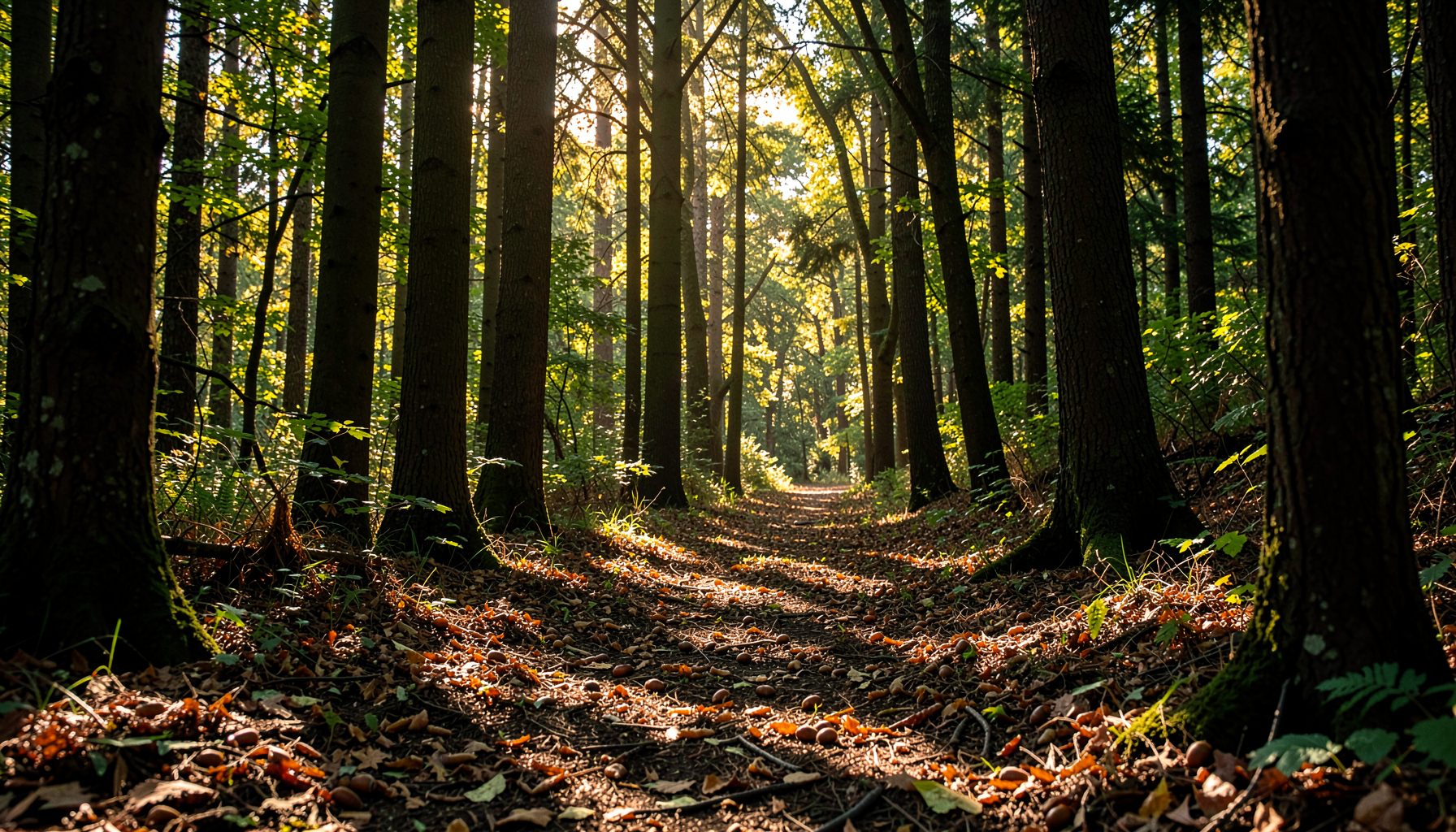
The Best Time of Day to Collect Native Seeds in Autumn
Autumn seed collection is a small action with a long ecological reach. A handful of acorns, walnuts, or native shrub fruits can become seedlings for streamside restoration, woodland recovery, and healthier habitat across the Potomac River watershed. The timing of that collection affects both the quality of the seed and the experience of the people gathering it.
For most native seeds, early morning is the strongest choice. Cooler temperatures, higher humidity, and calmer conditions help reduce drying and stress. Wildlife may still be feeding, however, and some seeds may be easier to find later in the day after wind or wildlife has loosened them from branches.
The most useful approach combines time of day with species, weather, ripeness, and site conditions. Volunteers should arrive prepared to observe before collecting, choose mature seeds from healthy trees, and leave enough behind for birds, mammals, and natural forest regeneration.
Why Timing Matters For Native Seeds
Freshly fallen seeds can lose moisture quickly when exposed to sun, warm pavement, or dry autumn wind. Acorns and walnuts are living plant material, so their condition begins changing as soon as they leave the tree. Collecting during the cooler part of the day helps preserve their viability before they are sorted and delivered to a nursery or restoration program.
Morning also makes field identification easier. Low-angle light can reveal leaf shapes, bark texture, husks, and the subtle differences between native tree species. A quiet start to the day gives collectors time to examine a tree rather than gathering every seed scattered beneath it.
There is a practical benefit as well. Forest floors are often easier to search before foot traffic, pets, and changing weather disturb them. In a schoolyard, park, or community gathering site, an early collection period can produce a cleaner, more organized harvest.
Early Morning Offers The Best Conditions
The first few hours after sunrise are generally ideal for autumn seed collecting. Temperatures are mild, surfaces may still hold overnight moisture, and direct sunlight has not had time to warm exposed seeds. These conditions are especially helpful for acorns, hickory nuts, and other large seeds that can dry or crack when left on hot ground.
Morning dew can make seeds easier to spot against leaves, though collectors should avoid handling visibly moldy or waterlogged material. A breathable collection bag or shallow basket is preferable to a sealed plastic bag, which can trap moisture and encourage decay. Keep different species separate so they can be identified and processed accurately.
Calm morning air also makes it easier to collect from the ground without confusing newly fallen seeds with old ones. Look for firm, full seeds with intact shells or husks. If a seed feels unusually light, has a hole, or shows extensive damage, set it aside rather than mixing it with healthy material.
When Afternoon Collection Makes Sense
Afternoon collection can work well after a breezy night or during a period when a tree is actively dropping mature seeds. A few hours of daylight may make it easier to see seeds beneath dense leaf litter, and dry surfaces can be more comfortable for volunteers working in a damp woodland.
The tradeoff is heat and exposure. On a bright day, seeds lying on bare soil, pavement, or open grass can warm rapidly. Collectors working after midday should use shaded containers, avoid leaving bags in a vehicle, and deliver the harvest promptly. If the ground is hot to the touch, move the collection to a cooler location or return the following morning.
Windy conditions can also change what the ground tells you. A strong gust may bring down green or immature seeds along with ripe ones. Check the seed itself rather than assuming that every fallen item is ready. Mature husks often have a natural brown color, and ripe seeds usually separate from the fruit or husk without excessive force.
| Collection period | Main advantages | Watch for | Suitable use |
|---|---|---|---|
| Shortly after sunrise | Cool temperatures, mild light, less disturbance | Wet or muddy ground, low visibility | Routine collecting of acorns, walnuts, and shrub seeds |
| Midmorning | Good visibility and comfortable working conditions | Increasing sun and activity in busy sites | School, family, and community events |
| Early afternoon | Dry surfaces and clear identification | Heat, rapid drying, disturbed seed beds | Windfall collection in shaded areas |
| Late afternoon | Cooler than midday and useful after evening windfall | Lower light and less time for delivery | Short collections near a processing location |
Match The Schedule To Species And Ripeness
Different native trees release seeds on different schedules. White oak acorns may fall over a relatively short period, while red oak acorns can continue dropping later into autumn. Hickory nuts often appear beneath the canopy after wind, and native shrubs may hold fruits well after their leaves change color.
Collectors should learn the target species before choosing a time. For example, identifying a bitternut hickory in the field becomes easier when you examine its slender husks, leaf structure, and distinctive features together; this bitternut hickory guide can help volunteers make a confident identification before gathering nuts.
Ripeness is more important than the clock. A mature acorn is usually firm, full, and free from extensive cracks. Hickory nuts should have a developed shell and a husk that looks ready to separate naturally. Seeds from native shrubs should be well colored and mature, though collection and cleaning methods vary by species.
Avoid collecting the first seeds that fall after a storm if they appear green, undersized, or damaged. A brief field check can prevent a large batch of poor-quality material from reaching a nursery. When uncertainty remains, place a small sample in a separate bag and label it with the species, date, location, and collector.
Protect The Forest While You Gather
Seed collection should supplement natural regeneration rather than remove every available seed. Birds, squirrels, deer, and small mammals depend on autumn mast, and many seeds need to remain where they fall to grow in place. A responsible collector takes a modest portion from a healthy population and leaves plenty beneath and around the parent trees.
Choose collection sites away from roadsides treated with chemicals, heavily polluted drainage areas, and locations where soil disturbance could damage sensitive plants. Never remove seeds from protected land without permission. Follow the rules of parks, schools, private properties, and partner organizations, since collection policies differ from one site to another.
The ecological value of this work is supported by more than good intentions. Research summarized by Growing Native explains how seed collection supports forests, especially when collection is connected to careful propagation and restoration. Volunteers contribute most effectively when they follow instructions about target species, quantities, labeling, and delivery.
Prepare For A Productive Field Day
A successful autumn outing begins before anyone steps under the trees. Check the forecast, confirm permission for the site, and learn which species the receiving nursery or program is accepting. The best collection time may shift by a few hours if rain, frost, heat, or strong wind is expected.
Wear sturdy shoes, long trousers, and layers that can handle cool mornings. Bring breathable bags, paper labels, pencils, gloves, a hand lens if available, and a phone or notebook for recording observations. Keep seeds from different trees or species separate, and write down the collection date and location immediately.
Families and schools can turn the activity into a lesson in watershed health. Children can compare bark, leaves, husks, and seeds while adults handle labeling and quality checks. Workplace and community groups can divide into small teams, with one group identifying trees, another gathering, and another recording quantities.
A Simple Plan For Better Seed Collection
Use the following routine to balance seed quality, volunteer comfort, and forest stewardship:
- Arrive near sunrise or during the first comfortable hours of daylight, especially on warm or sunny autumn days.
- Walk the site before collecting so you can identify healthy parent trees and assess how much seed is available.
- Gather firm, mature seeds from the ground or accessible branches, leaving damaged, immature, and moldy material behind.
- Keep species separate in breathable containers and label each group with the date, location, and tree identification.
- Deliver the collection promptly according to the receiving program’s instructions, avoiding heat, compression, and sealed storage.
The exact hour matters less than the conditions surrounding it. A cool morning after a period of natural seed drop is often excellent, yet a shaded afternoon after a windy night may produce an equally valuable harvest. Observant collectors adjust to the forest instead of following a rigid schedule.
Native seed gathering gives people a direct role in restoring the places that connect forests, farms, towns, and waterways. Join a Growing Native volunteer effort, organize a collection day with a school or community group, or learn which seeds are currently needed for restoration across the Potomac watershed. Each carefully gathered seed can help grow a healthier streamside forest for years to come.