Why Some Native Trees Produce Mast Only Every Few Years
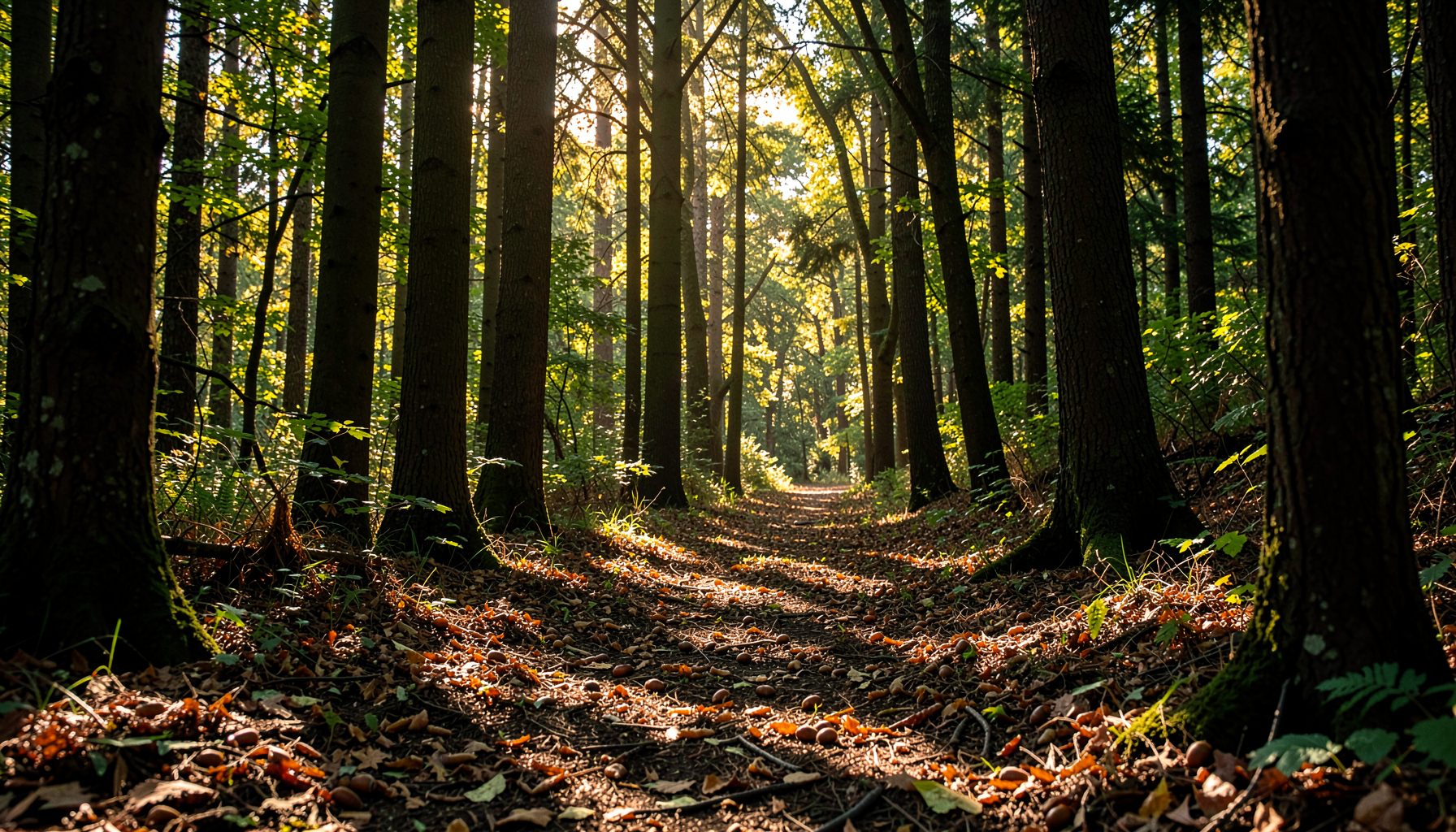
Walk through a mature forest in autumn and the ground may be covered with acorns, hickory nuts, walnuts, or other large seeds. In another year, the same trees may produce very little. This uneven pattern is called mast production, and it is a familiar feature of many native forests across the Potomac River watershed.
Mast includes the fruits and seeds of woody plants that wildlife can eat. Hard mast, such as acorns and nuts, is especially important because it can remain available after leaves fall and provide concentrated energy for birds, mammals, and other animals. Some species produce a modest crop annually, while others produce a heavy seed crop only every few years.
Why some native trees produce mast only every few years is connected to weather, tree physiology, pollination, wildlife behavior, and forest history. An irregular seed supply may seem inefficient, but it can help trees reproduce successfully in a landscape where many animals depend on their seeds.
What Mast Production Means
The word mast describes seeds and fruits produced by trees and shrubs for wildlife consumption. Hard mast comes from plants such as oaks, hickories, beeches, and walnuts. Soft mast includes fleshy fruits from species such as dogwoods, persimmons, serviceberries, and cherries. Both types support food webs, though hard mast often has a longer storage life and a particularly high calorie value.
A tree’s mast crop is measured by how much seed it produces in a given season. A bumper crop, sometimes called a mast year, can fill the forest floor with food. A poor crop may leave animals searching widely for alternatives. The same species can show these changes across a single forest, while neighboring trees may produce different amounts depending on age, health, sunlight, and local soil conditions.
Mast production also varies by species. White oaks often mature their acorns in one growing season, while many red oak group species require two years. Hickories and walnuts may produce crops with their own distinctive timing. Understanding these differences helps volunteers identify seeds correctly and recognize why a forest may offer abundant nuts in one fall but very few the next.
The Energy Cost Of A Heavy Crop
Producing seeds requires substantial resources. A tree must create flowers, receive pollen, develop fruits, form protective shells, and fill each seed with stored carbohydrates, fats, or proteins. A large crop can draw heavily on reserves that the tree might otherwise use for new branches, root growth, defense chemicals, or recovery from drought.
A mature tree can balance these competing needs over several years. After a particularly productive season, it may need time to rebuild its internal reserves before attempting another large crop. This does not mean the tree is inactive between mast years. It may still flower, produce a small number of seeds, and invest in leaves, roots, and woody growth.
Tree size and health influence the pattern as well. Large, well-established trees often have more stored energy and wider crowns than young trees, but they also support more reproductive structures. Drought, insect damage, disease, canopy competition, and soil compaction can reduce seed production or delay a heavy crop. A poor mast year therefore reflects both natural cycles and the conditions surrounding the tree.
Weather And Pollination Shape The Crop
Weather affects mast from the formation of flower buds through seed maturity. Many trees develop reproductive buds during the previous growing season, so conditions in two consecutive years can influence the final harvest. Warm, dry weather may encourage flowering in some species, while late spring frosts can damage flowers and prevent fertilization.
Rainfall during pollination is especially important for wind-pollinated trees. If flowers release pollen during a period of cold, wet, or unusually still weather, pollen may not reach enough compatible flowers. Oaks and hickories often grow in stands where many trees flower at roughly the same time, increasing the chance of successful pollination. When flowering is poorly synchronized, the crop may be small even if the trees appear healthy.
Summer weather matters as developing seeds fill and mature. Extended drought can cause young acorns or nuts to drop early. Severe storms may strip branches before seeds ripen. Favorable weather across a broad region can produce a widespread mast year, while localized storms or soil differences can create sharp variations from one woodland to the next.
| Factor | Effect on mast production | What may be observed |
|---|---|---|
| Spring frost | Damages flowers and reduces fertilization | Few developing fruits |
| Wet or cool pollination weather | Limits pollen movement and flower success | Sparse crops across a stand |
| Summer drought | Restricts seed development and tree reserves | Small, shriveled, or early-fallen seeds |
| High sunlight | Supports flowering and carbohydrate production | Stronger crops on open-grown trees |
| Tree age and health | Determines stored energy and reproductive capacity | Larger crops from vigorous mature trees |
| Wildlife abundance | Removes seeds before they can germinate | Little seed remains on the ground |
| Regional weather alignment | Synchronizes flowering and fruiting across trees | Broad mast years over large areas |
Why Irregular Crops Help Trees
A synchronized bumper crop can overwhelm seed-eating animals. Squirrels, deer, turkeys, mice, and other wildlife can consume or cache enormous numbers of seeds, but their populations cannot increase instantly when food becomes abundant. When trees produce more mast than animals can eat, some seeds escape predation and remain available to germinate.
This effect is often called predator satiation. It does not mean trees are responding consciously to wildlife numbers. Instead, natural selection can favor individuals whose flowering and fruiting patterns contribute to successful reproduction. When many trees of the same species produce a heavy crop in the same year, the combined seed supply may exceed the immediate feeding capacity of animals.
Low-production years can also affect wildlife movement and reproduction. Animals may travel farther, switch foods, or experience reduced survival when acorns and nuts are scarce. These changes ripple through the forest. A mast cycle can influence seedling establishment, predator activity, deer browsing pressure, and the distribution of animals across a watershed.
Different Trees Follow Different Rhythms
There is no single mast schedule for all native trees. White oak acorns generally mature during the year they form, while northern red oak and black oak acorns usually develop over two growing seasons. Weather can affect the current crop differently from the following year’s crop, which helps explain why oak production may appear unpredictable when viewed from one autumn to the next.
Hickories often produce nuts in variable quantities, and shagbark hickory can be especially valuable to wildlife because its nuts are rich in food energy. Black walnut trees may produce heavy crops under favorable conditions, though squirrels and other animals frequently remove the nuts quickly. Beech trees produce beechnuts that can be essential autumn food, but mature beech populations face additional pressures from disease and changing forest conditions.
A tree identification resource such as native tree guides can help volunteers distinguish acorns, walnuts, hickory nuts, and other seeds in the field. Accurate identification matters when collecting for restoration because each species has different storage, handling, and germination requirements. It also makes seasonal observations more useful: a poor crop in one species should not be assumed to represent the entire forest.
Mast Connects Forests And Waterways
Mast-producing trees play a role beyond feeding wildlife. Their roots stabilize stream banks, take up nutrients, and help hold soil during heavy rain. Their leaf litter contributes organic matter to the forest floor and eventually enters the stream as part of the watershed’s nutrient cycle. When native trees regenerate near waterways, they support a living connection between upland forests and clean water.
Oaks receive particular attention in streamside reforestation because they can live for centuries, support many wildlife species, and contribute durable woody material and leaf litter. The reasons for this focus are explained in why oaks matter, especially where restoration projects aim to create resilient forest buffers.
Collecting seeds during a strong mast year can provide state nurseries with valuable native material. Collected acorns and nuts are cleaned, sorted, stored, and grown into seedlings suited for future planting. The process is described in the nursery process, where a handful of forest seeds becomes part of a much larger restoration effort.
How To Observe And Collect Responsibly
A mast year is an excellent opportunity to learn about forest ecology, but collection should be careful and limited. Wildlife needs access to natural food, and fallen seeds can be important for animals preparing for winter. Collecting from healthy trees across multiple locations also reduces pressure on any one population and captures greater genetic diversity.
Volunteers can record the tree species, collection date, location, weather conditions, and approximate abundance of seeds. These observations help distinguish a regional mast event from a localized crop. They can also reveal how roads, deer browsing, invasive plants, drought, and canopy openings affect regeneration.
When collecting for a conservation program, follow the project’s instructions about permitted species, quantities, seed condition, and delivery. Avoid seeds with mold, severe insect damage, or signs of disease unless coordinators specifically request them. Never remove branches or climb unsafely for seed collection; many suitable seeds can be gathered from the ground beneath healthy parent trees.
Practical Ways To Support Native Seed Collection
- Learn several local hardwoods by their leaves, bark, twigs, and seeds before collecting.
- Gather clean, mature seeds from multiple healthy trees rather than concentrating on one individual.
- Leave a generous share of fallen mast for wildlife and natural forest regeneration.
- Record collection details so nursery staff can preserve useful information about seed origin.
- Join a Growing Native volunteer event through a school, workplace, family group, or community organization.
The irregular rhythm of mast production is a reminder that forests operate across longer time scales than a single season. A year with few acorns does not mean the trees are failing, just as a bumper crop does not guarantee abundant seedlings. Weather, wildlife, tree health, and land management determine what happens next.
By observing these cycles and helping collect native seeds responsibly, volunteers can connect seasonal forest events with long-term watershed restoration. Each acorn, walnut, or hickory nut gathered at the right time can contribute to future streamside seedlings, healthier forests, and cleaner water throughout the Potomac River watershed. Participate in a Growing Native collection opportunity and help turn a natural mast year into lasting habitat.