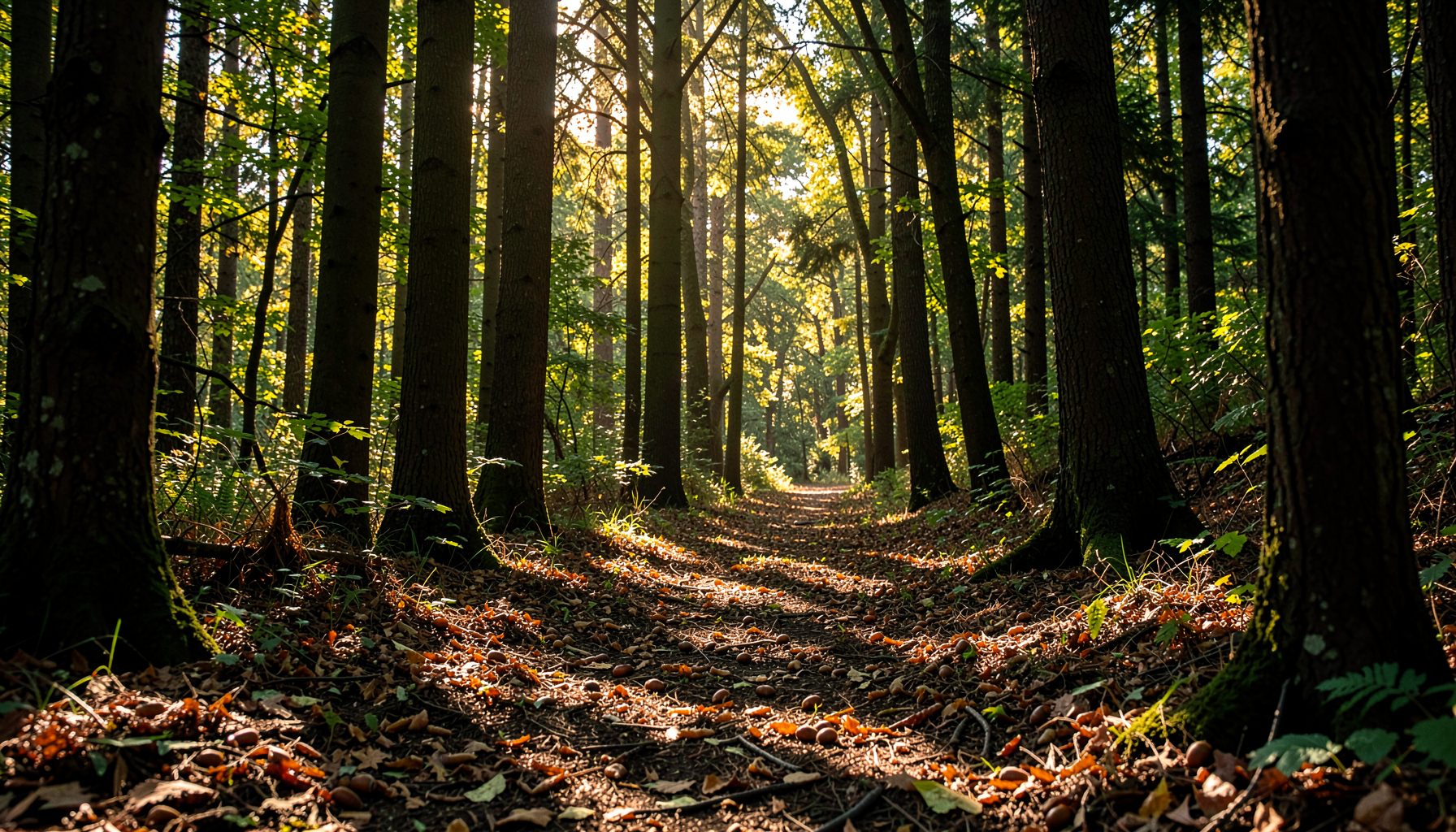
How Gathering Cedar Seeds Feeds Winter Birds and Strengthens Catchments
Cedar trees drop thousands of plump, waxy seeds each autumn, and many of those seeds stay tucked into bark crevices, branch forks, and cones well into the colder months. For countless small songbirds, woodpeckers, and ground-foraging species, that lingering seed cache is often the difference between a lean night and a warm one. When volunteers hand-collect a portion of that surplus, they lighten the work for the tree and redirect nutrition toward habitat restoration projects that come back to benefit the same birds in future years. The cycle links backyard curiosity to catchment-scale conservation in a way few other simple chores can match.
The practice also feeds a much bigger engine: streamside reforestation. Seeds gathered from healthy parent trees are dried, sorted, and passed to nurseries where they are grown into hardy seedlings. Those seedlings eventually anchor eroding riverbanks, shade the water, and recreate the layered understorey that insects, mammals, and birds rely on. Healthy streams mean more aquatic insects emerge each spring, which means more protein for nesting adults, which means more fledglings returning to the same woods next winter to look for cedar seeds again. It is a quiet loop, but a productive one.
Cedar seeds as a winter lifeline for backyard and bush birds
Cedar seeds are rich in fat and protein, two resources that get scarce once insects vanish under frost or snow. A single mature tree can hold enough seed through January to feed dozens of visits from chickadees, nuthatches, finches, and juncos, plus the occasional larger visitor like a jay or a wintering thrush. The waxy coating on the seed coat slows decay, which means the food stays usable long after softer berries have collapsed into mush. Birds that cache seeds in bark seams during autumn often return to the same tree in February, remembering its location with surprising accuracy.
The structural value matters as much as the food itself. A mature cedar offers dense, evergreen shelter that blocks wind, traps snow, and hides small birds from sharp-shinned hawks. When volunteers thin a portion of the seed crop for nurseries, they are not stripping the pantry bare. They are simply banking a surplus that would otherwise fall to mould or be eaten by rodents. Birds still get the lion's share, and the forest still gets its seedlings. Programs like Growing Native show how a careful hand-pick can fund an entire seedling pipeline without harming the parent stand.
From cone to canopy: why seed collection heals streamside forests
A streamside forest works hard for the catchment that surrounds it. Tree roots bind silt, fallen leaves feed aquatic invertebrates, and the canopy keeps water temperatures low enough for native fish and amphibians to thrive. When those bands of forest thin out, runoff accelerates, banks crumble, and sediment smothers the gravel beds where insects lay their eggs. The knock-on effect climbs the food chain, and the birds that depend on insect-rich streams lose a key protein source just when they need it for winter survival.
Cedar seed collection supports that repair work in two directions at once. First, it supplies nurseries with locally adapted seed, which grows into seedlings that survive local floods, droughts, and soils far better than generic stock. Second, the act of collecting trains volunteers to read a landscape. People learn to spot a healthy seed year versus a poor one, to recognise when a stand is over-browsed by deer, and to notice the early signs of stress. That literacy pays off when volunteers later help replant, weed, or monitor those same sites. Reading about the wider value of mixed plantings of shrubs alongside hardwood trees reinforces why diversity in the understorey matters for the birds that depend on it.
An Australian parallel: native seed networks and bush birds
The idea of turning seed gathering into catchment repair is anything but foreign in Australia. Across the country, Landcare and Bushcare groups have spent decades coaxing seedlings out of locally collected seed, from river red gum along the Murray to mountain ash in the Yarra Ranges. Australian birds line up for similar winter treats: crimson rosellas work through stringybark capsules, silvereyes strip pittosporum berries, and wattlebirds hover at eucalyptus blossoms well into the cool months. Even the towering wollemi, a wild relative of the ancient conifers that share a family tree with cedars, is now being protected through community-run seed banking at the Australian National Botanic Gardens in Canberra.
Australian volunteers tend to talk about this work in plain, no-nonsense terms, calling a seedling a "tubestock" and a seed-collecting trip a "seed dash." Those trips often feed straight into Greening Australia projects or state-run seedling schemes that mirror the nursery pipeline used by American watershed groups. The same logic travels: pick a healthy local parent, dry the seed carefully, sow it close to home, and watch the birds return. Conversations at a Saturday working bee in the Dandenongs or a weekend seed-cleaning session near Hobart sound remarkably like the ones held along the Potomac, even when the species are poles apart.
Gathering cedar seeds the right way
Successful seed collection starts with timing. Cedar cones typically ripen from late summer into early autumn, depending on the species and the local climate. The trick is to wait until the cones begin to brown and the scales start to separate slightly, but not so long that the seeds drop on their own. Cut a few cones from several different branches on the tree, choose parents that show vigorous growth and clean foliage, and avoid any tree that looks stressed, diseased, or heavily browsed.
Once the cones are off the tree, spread them on a mesh tray in a cool, dry, well-ventilated spot and let them open naturally. A gentle shake or a roll between gloved hands will release most of the seed. Winnow out the chaff by pouring the mix slowly from one bucket to another in a light breeze, then store the clean seed in breathable paper bags inside a cool pantry or fridge. Moisture is the enemy: damp seed moulds fast and loses viability before spring sowing. Label everything with the tree species, the collection date, and the location, because nursery staff need that provenance to match seed to the right planting site.
Joining a community of seed collectors
There is real momentum behind volunteer seed networks right now, and the door is wide open. A single weekend morning of collection can stock an entire nursery run for a season, and the skills transfer easily to other species, including oaks, walnuts, and native shrubs. New collectors usually pair up with an experienced mentor for their first outing, learning how to spot ripe cones, climb safely with a pole pruner, and handle seed without bruising it. Friendships form quickly when the work involves mud, gloves, and the satisfaction of filling a seed bag.
Anyone who can tell a cedar from a pine has the basics needed to start. Programs welcome individuals, families, school groups, and corporate volunteers, and they often run friendly half-day sessions during peak collection windows. Watching the threat that pests like the emerald ash borer pose to streamside forests underlines how urgent it is to keep native regeneration pipelines healthy. Every seed collected today is one less gap in tomorrow's canopy.
Comparing cedar seeds with other common winter bird foods
| Food source | Typical fat content | How long it lasts into winter | Wildlife value beyond food | Volunteer ease to collect |
|---|---|---|---|---|
| Cedar seeds | High | Very long, waxy coat resists rot | Shelter in parent tree, mast for mammals | Moderate, needs pole pruner and drying space |
| Acorns | Moderate | Medium, weevils and rot reduce supply | Critical mast for deer, squirrels, turkeys | Easy to easy, but heavy and quick to spoil |
| Crabapples | Low to moderate | Medium, soft fruit decays after frost | Pollinator support the prior spring | Easy, hand pick from low branches |
| Sunflower heads | High | Short, eaten quickly once exposed | Insect larvae feed nestlings in summer | Easy, strip heads in autumn |
| Sumac drupes | Low | Long, persistent on upright clusters | Winter cover for small birds and insects | Easy, cut clusters with secateurs |
Practical recommendations for first-time seed collectors
- Choose dry weather for collection days so cones and seed stay clean and dry during handling.
- Take cones from at least three different parent trees to keep the genetic mix broad.
- Avoid any tree showing dead tops, fungal brackets, or heavy insect damage on the foliage.
- Label every bag with the species, the date, and the suburb or catchment where the seed was picked.
- Keep a small notebook recording weather, cone colour, and any wildlife sightings for future seasons.
- Store seed in paper, never plastic, until it is fully dry to prevent mould and heat damage.
- Reach out to a local nursery or Landcare-style group to confirm your species identification before investing time in large harvests.
Grab a pair of sturdy gloves, a pole pruner, and a few labelled paper bags, and head out on the next clear autumn morning. Look up into the canopy, watch where the birds are already feeding, and start with the trees they prefer. Drop your cleaned, labelled seed at a partner nursery, sign up for a planting day, and tell a neighbour what you learned along the way. Every cone you gather becomes a future root, a future shade patch, and one more full seed cache waiting for the next winter flock.