The Benefits of Planting Native Shrubs Alongside Hardwood Trees
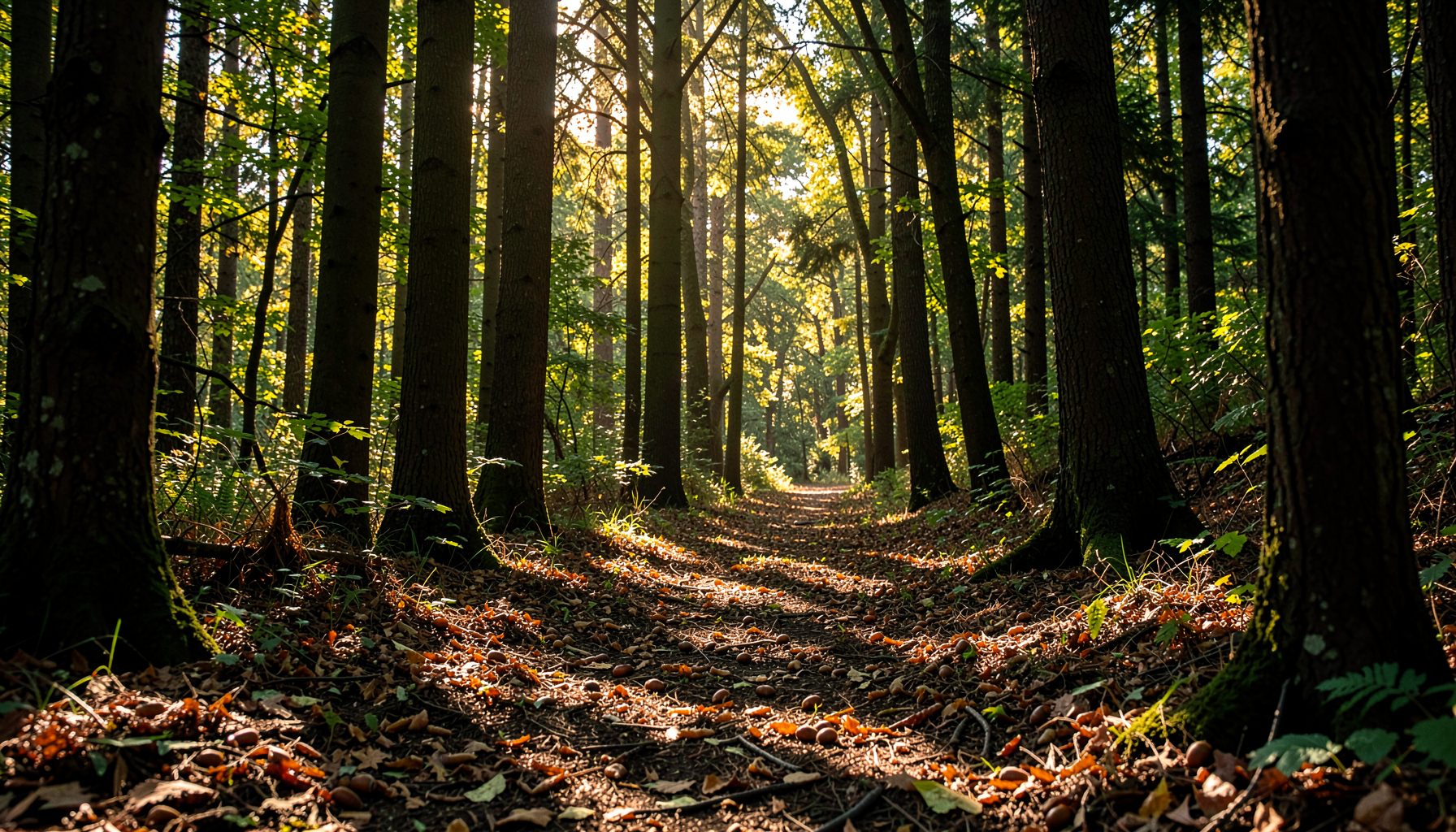
Healthy forests are built from layers. Tall hardwoods form the canopy, while smaller native trees, shrubs, and herbaceous plants fill the spaces below. Along streams and rivers, this layered structure helps create habitat, stabilize soil, slow stormwater, and support cleaner water.
Planting native shrubs beside hardwood trees strengthens the function of a restoration site. Shrubs occupy a different height and root zone than many canopy trees, so they can add ecological value without simply duplicating what the larger trees already provide. Their flowers, fruits, stems, and dense branches also serve wildlife throughout the year.
This approach reflects the natural character of the Potomac watershed before extensive settlement. The history of watershed forests shows how diverse forest communities once shaped the region’s soils, streams, and wildlife. Restoration projects can draw from that model while adapting plant choices to modern conditions.
A stronger forest structure
Hardwood trees such as oaks, hickories, walnuts, and maples eventually create a high canopy, but they may take decades to reach full size. Native shrubs provide important structure much sooner. Their low branches shelter birds and small mammals, cover exposed ground, and help make a young planting resemble a functioning woodland edge.
Different layers also spread ecological work across the entire planting. Tree leaves intercept rainfall high above the ground, shrub stems slow wind and water movement below, and roots bind soil at several depths. This layered design can reduce bare patches where invasive plants might otherwise become established.
A mixed planting is generally more resilient than a row of similar-sized trees. If drought, browsing, disease, or a severe storm affects one plant group, other species may continue to provide shade, cover, flowers, or fruit. Diversity creates several pathways for a restoration site to remain useful while it matures.
Better habitat for birds and wildlife
Native shrubs offer food at times when many hardwood trees are not producing mast or nuts. Species such as serviceberry, elderberry, viburnum, spicebush, and winterberry can provide berries for birds and other animals. Flowering shrubs also supply nectar and pollen for native bees, butterflies, and other pollinators.
The value of these plants extends beyond their fruit and flowers. Dense stems create nesting and roosting sites, while low cover gives amphibians, reptiles, and small mammals places to hide from predators and extreme weather. A shrub layer along a stream can function as a transition between aquatic habitat, meadow, and mature forest.
Wildlife benefits increase when restoration sites include several native species with different bloom times and fruiting periods. Early flowers support insects in spring, summer blooms keep pollinators active, and autumn or winter fruits provide food after many other resources have disappeared. This seasonal sequence helps sustain a wider range of species.
How trees and shrubs work together
The relationship between a hardwood tree and an adjacent shrub depends on spacing, light, moisture, and mature size. Trees generally need enough room for their crowns and root systems, while shrubs can fill open areas between seedlings or along the outer edge of a planting. Thoughtful placement limits direct competition and creates useful transitions.
The table below outlines common contributions from each plant layer:
| Planting layer | Primary contributions | Useful placement |
|---|---|---|
| Hardwood canopy trees | Long-term shade, carbon storage, nesting habitat, leaf litter, and mast | Interior planting areas and wider stream buffers |
| Native shrubs | Seasonal berries, pollinator resources, low cover, and erosion protection | Forest edges, stream margins, and gaps between young trees |
| Small native trees | Midstory habitat, flowers, and additional vertical diversity | Transitional zones beneath or near larger trees |
| Groundcover and leaf litter | Moisture retention, soil organisms, and protection from runoff | Around tree and shrub bases, where sunlight allows |
A successful planting does not require every square foot to contain the same combination. Some stream sections may favor moisture-tolerant shrubs, while drier upland edges may support species adapted to well-drained soil. Matching plants to site conditions is more important than forcing a uniform design.
It is also important to consider future maintenance. A shrub that stays relatively compact may work well near a path or access point, while a spreading species may be better suited to an open buffer. Plant labels, regional native-plant guides, and advice from conservation professionals can help determine mature height, spread, and habitat value.
Cleaner water and steadier stream banks
Streamside shrubs are especially valuable in riparian buffers. Their stems and leaves interrupt rainfall before it reaches the ground, while their roots hold soil in place along banks. This reduces the movement of sediment into streams during heavy rain, when muddy runoff can damage aquatic habitat and carry attached nutrients or pollutants.
Hardwood trees contribute deep, long-lasting root systems and a steady supply of leaf litter. Shrubs add a dense network of smaller roots near the soil surface, where erosion often begins. Together, the two layers can reinforce stream banks from different depths and reduce the speed of overland flow.
Vegetated buffers also moderate water temperature. Shade from trees and midstory plants can help keep small streams cooler, which benefits aquatic organisms sensitive to heat. Fallen leaves and woody material support decomposer communities that form the base of many stream food webs, provided the buffer remains connected and is managed as a natural system.
Restoring a buffer is a long-term investment rather than a quick fix. Newly planted shrubs and trees need protection from deer, invasive vines, mowing, and drought until their roots are established. Early care allows the planting to develop the dense, continuous cover that makes erosion control more effective over time.
Selecting native shrubs for the site
Native plants evolved within regional climate and soil conditions, though the best species still vary by location. A wet floodplain may suit buttonbush, elderberry, or silky dogwood, while an upland woodland edge may be better for spicebush, blackhaw viburnum, or serviceberry. Sun exposure, drainage, flood frequency, and deer pressure should guide the selection.
Shrubs should also complement the hardwood species already present or planned. For example, a streamside planting might combine moisture-tolerant trees with shrubs that produce berries and dense cover. A drier site could pair oaks or hickories with native shrubs suited to partial shade and seasonal moisture changes.
Avoiding invasive ornamentals is essential. A plant may appear attractive in a garden yet spread aggressively into nearby forests or wetlands. Choosing locally appropriate native species protects the surrounding plant community and gives wildlife food sources with which they have long ecological relationships.
For regional planting guidance and places to find restoration activities, explore native planting sites. Local conditions matter, so a species list should be treated as a starting point rather than a universal prescription.
Restoration that people can share
Native shrub and hardwood restoration creates practical opportunities for community participation. Volunteers can collect acorns, walnuts, and other native seeds, learn to identify local trees, and help supply nurseries that grow future streamside seedlings. These activities connect seasonal observation with measurable conservation work.
Schools can use seed collection and planting to teach forest ecology, watershed health, plant life cycles, and the relationship between land and water. Families and community groups can compare flowering times, identify wildlife signs, and monitor how a planted buffer changes through the seasons. Workplace teams can contribute labor while learning how local conservation supports public environmental goals.
Seed collection must follow responsible practices. Volunteers should gather only from healthy native trees, leave enough food for wildlife, avoid damaging branches, and follow property rules and program guidance. Clean, correctly identified seed gives nurseries a stronger foundation for producing plants suited to regional restoration.
Organizations that want to participate can connect with Growing Native volunteer programs and find activities suited to individuals, schools, families, community groups, or workplaces. The most valuable projects are those that combine planting with follow-up care and observation.
Practical choices for a lasting planting
A strong plan begins with the site rather than a shopping list. Walk the property after rain and during dry weather, note sun and shade, identify existing native plants, and look for signs of erosion, flooding, deer browsing, or invasive species. These observations reveal where shrubs and hardwoods can thrive together.
Use a varied palette instead of repeating a single shrub in a straight line. Groups of several compatible species create more natural habitat and reduce the risk that one pest or disease will affect the entire planting. Leave adequate space for mature growth, while filling vulnerable bare areas with suitable groundcover or leaf litter.
Keep the first years in view. Watering during establishment, replacing protective tubes, controlling invasive growth, and checking for browse damage can determine whether a promising restoration becomes a healthy forest buffer. The following practices provide a useful foundation:
- Match every shrub and hardwood to its soil moisture, light, and flood tolerance.
- Use several native species with different heights, bloom periods, and fruiting seasons.
- Protect young plants from deer, mowing, competing vines, and prolonged drought.
- Maintain a connected buffer wherever possible instead of isolated planting islands.
- Track survival, wildlife activity, and stream-bank conditions through the seasons.
Planting native shrubs alongside hardwood trees turns a collection of seedlings into a more complete living system. The canopy, midstory, roots, flowers, fruits, and leaf litter each perform different tasks, and their combined effects become more valuable as the planting matures.
Support that process by joining a seed collection event, learning to identify local native plants, or helping establish a streamside buffer in the Potomac watershed. Every healthy shrub and hardwood adds another layer of habitat, another root system holding soil, and another step toward cleaner water and enduring forest stewardship.