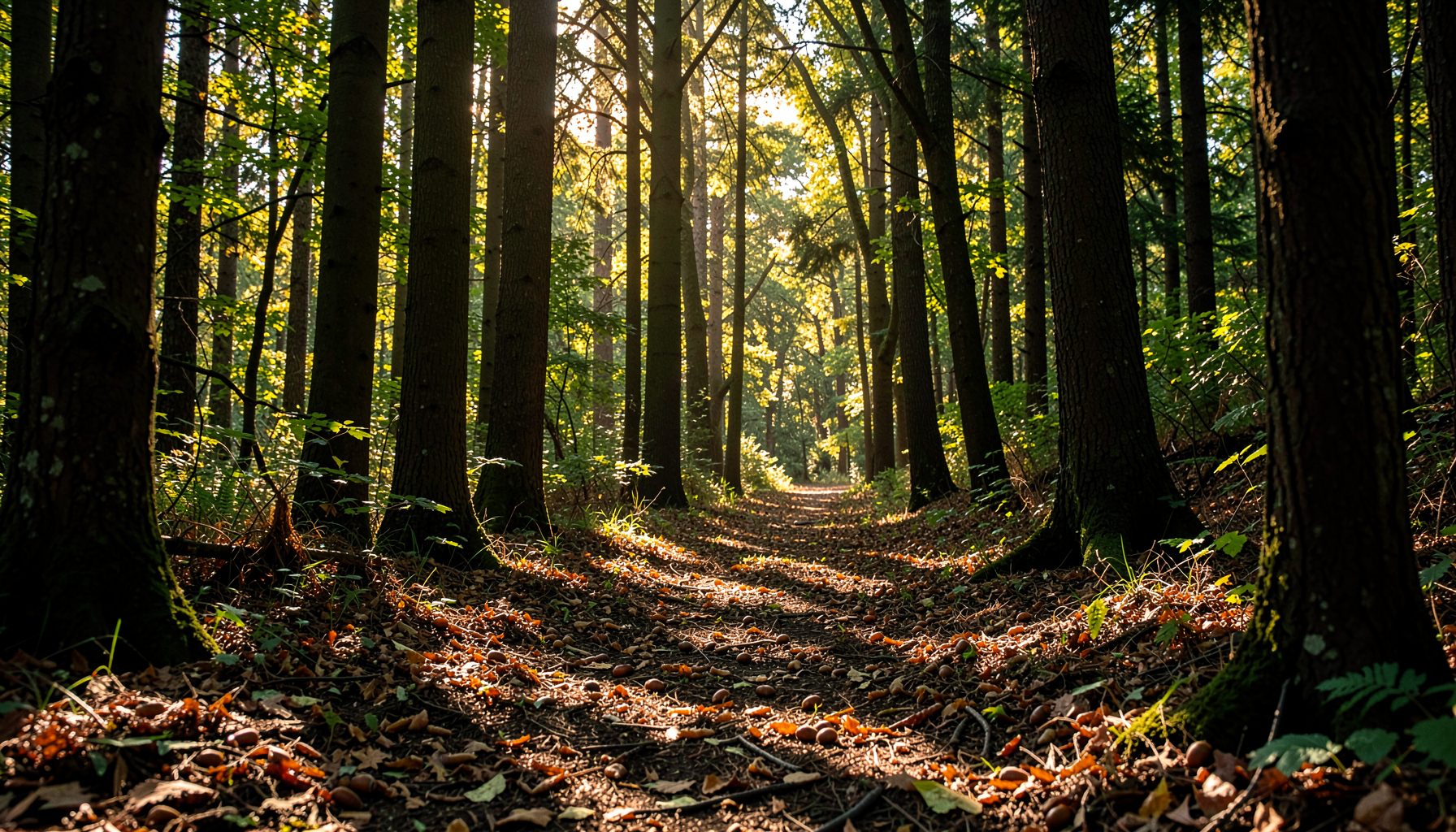
The threat of emerald ash borer to streamside forests
Streamside forests are among the most valuable and vulnerable parts of the Potomac River watershed. These wooded corridors shade creeks, slow stormwater, hold soil in place, filter pollutants, and provide connected habitat for birds, insects, fish, and mammals. Ash trees have long been part of this living infrastructure, especially in wet soils and floodplains where other hardwoods may struggle.
The emerald ash borer has changed the future of these forests. This small metallic-green beetle can kill mature ash trees within a few years, leaving gaps in the canopy and weakening the ecological functions that depend on it. The loss is visible in dead branches and standing trunks, but the wider effects reach into water quality, wildlife habitat, forest regeneration, and community safety.
Protecting streamside health requires more than removing hazardous trees. It means recognizing infestations early, preserving surviving trees where possible, encouraging diverse native regeneration, and giving volunteers meaningful ways to support recovery. Learning resources such as watershed education materials can help families, schools, and community groups understand how forest decisions affect the entire watershed.
Why ash trees matter beside streams
Several ash species naturally grow in lowlands, wet woods, and floodplain margins. Their root systems help anchor stream banks, while their trunks and branches contribute structure to forests that experience seasonal flooding. Ash leaves also enter aquatic food webs, where decomposing plant material supports insects and other organisms that form part of the diet for fish and amphibians.
A mature ash canopy moderates water temperature by shading the channel. Cooler water generally holds more dissolved oxygen, which benefits aquatic life. Trees also intercept rainfall before it reaches the ground, and their roots create pathways that help water soak into soil instead of rushing directly into a creek. When a streamside ash stand is healthy, these small processes work together to reduce erosion and protect water quality.
Ash trees also provide food and shelter for wildlife. Seeds feed birds and small mammals, cavities offer nesting and roosting sites, and the rough surfaces of older trees support lichens, fungi, and invertebrates. Losing ash does not remove every function from a forest, but it can create a sudden deficit in places already stressed by development, invasive plants, runoff, and fragmented habitat.
How emerald ash borer spreads
Emerald ash borer, commonly abbreviated EAB, is an invasive beetle native to parts of Asia. Adult beetles leave D-shaped exit holes in ash bark, but the most damaging stage is the larva. Females lay eggs in bark crevices, and the larvae tunnel beneath the bark in winding galleries. These galleries interrupt the tissues that carry water and nutrients between roots and the crown.
As the infestation advances, an ash tree may produce thin foliage, dieback in the upper crown, epicormic shoots along the trunk, and vertical splits in the bark. Woodpeckers often investigate infested trees, so increased woodpecker activity can be one clue among many. A tree may look healthy from a distance while larvae are already disrupting its vascular system.
EAB moves naturally as adult beetles disperse, but human transport of firewood can spread it much faster. Firewood from an infested area may carry larvae under the bark even when no beetles are visible. Moving untreated ash logs, branches, or nursery stock can create new infestation points far from the original source. Local regulations and state quarantine guidance should be followed when handling ash material.
The table below summarizes common conditions and appropriate responses. It is a guide for observation, not a substitute for an arborist or forestry professional.
| Condition observed | Likely concern | Useful response |
|---|---|---|
| Healthy ash with full crown | No obvious symptoms, though infestation may still be present | Monitor annually and consider professional evaluation |
| Sparse crown or upper branch dieback | Possible EAB activity or another stressor | Inspect bark, exit holes, and canopy; seek expert advice |
| Epicormic shoots and bark splitting | Advanced stress and disrupted circulation | Assess safety and treatment options promptly |
| Extensive galleries or dead crown | High likelihood of decline or mortality | Plan safe removal where the tree threatens people or infrastructure |
| Numerous standing dead ash near a stream | Canopy loss, erosion, and hazardous limbs | Combine hazard management with native reforestation planning |
Recognizing damage in riparian stands
Early detection matters most for high-value trees that still have enough healthy canopy to respond to treatment. Symptoms can be confused with drought, flooding, root damage, ash yellows, or other pests, so identification should be based on several signs rather than a single hole or dead branch. A trained arborist can examine the tree and determine whether preventive or therapeutic treatment is appropriate.
Streamside managers should also inspect the surrounding stand, not just one prominent tree. EAB often affects multiple ash trees in the same area, and mature trees may decline at different rates. Mapping ash locations, recording canopy condition, and photographing changes over time can help landowners prioritize action. Particular attention is needed near trails, roads, homes, playgrounds, and stream crossings where falling limbs create immediate risk.
Dead ash trees can remain standing for several years, but they become brittle and unpredictable as decay progresses. Removing every dead tree may harm habitat and disturb stream banks, while leaving hazardous trees in public areas is unsafe. A balanced approach keeps stable snags where they provide wildlife value and removes trees that threaten people, infrastructure, or the channel.
Restoring streamside function after ash loss
When ash disappears, an open patch may quickly fill with sunlight-loving plants, invasive shrubs, or fast-growing pioneer trees. Some natural regeneration is beneficial, but an unmanaged gap can develop into a simplified plant community with shallow roots and limited habitat value. Restoration should aim for a layered forest containing canopy trees, understory species, shrubs, and groundcover suited to wet or seasonally wet conditions.
Planting a range of native species reduces the risk that one future pest or disease will cause another widespread collapse. Suitable choices vary by soil, flooding frequency, light, and local seed sources. Oaks, sycamores, river birch, red maple, black gum, swamp white oak, and native shrubs may contribute to a diverse riparian planting, but site assessment should guide the final mix.
Seed collection can connect restoration work with local stewardship. Acorns, walnuts, and other native hardwood seeds gathered responsibly can be donated for propagation and later planted as streamside seedlings. Volunteers who want to understand how collected seed is prepared can explore winter seed stratification, a process that helps certain seeds overcome dormancy before germination.
Replacement trees cannot recreate a mature ash forest immediately. Young seedlings need protection from deer, competition, drought, mowing, and invasive vines. Follow-up care is therefore as important as the initial planting. Mulching without covering the trunk, controlling aggressive weeds, and checking survival through several growing seasons can determine whether a restoration project becomes a lasting forest.
Coordinating community action
The scale of EAB makes cooperation especially valuable. A single landowner may manage a few trees, while a watershed-wide effort can identify patterns, share technical knowledge, collect local seed, and coordinate planting across public and private properties. Schools can use ash monitoring to teach insect biology and forest succession, while workplaces and civic groups can support seed collection or invasive plant removal.
Family events are also a practical way to make conservation visible and welcoming. During a family volunteer day, participants can learn to identify native trees, gather suitable seeds, and see how restoration connects a neighborhood to the wider river system. These experiences build familiarity with seasonal change and help children understand that healthy waterways depend on forests far beyond the streambank.
Volunteers should work within landowner permissions and local safety rules. Seed should be collected from healthy native trees, without stripping wildlife resources or damaging branches. Anyone handling dead ash, chainsaws, or trees near power lines should use qualified professionals. Simple activities such as documenting tree health, removing invasive seedlings, and watering young plantings can provide meaningful support without specialized equipment.
Practical priorities for local action
A thoughtful response to EAB combines immediate safety decisions with long-term ecological planning. The goal is to retain healthy ash when feasible, protect people from hazardous trees, and prevent canopy gaps from becoming permanent sources of erosion and invasive growth. Different sites will require different solutions, but several priorities apply broadly:
- Inventory ash trees and record their location, size, canopy condition, and proximity to people or infrastructure.
- Have valuable or high-risk trees evaluated by a qualified arborist before deciding on treatment or removal.
- Do not move untreated ash firewood, logs, or branches beyond permitted areas.
- Replace lost canopy with a diverse mix of locally appropriate native trees and shrubs.
- Organize follow-up care, including invasive plant control, deer protection, watering, and survival checks.
- Invite schools, families, and community groups to collect native seed and monitor restoration sites.
Monitoring should continue after trees are removed or seedlings are planted. A restored streamside corridor may look untidy during its early stages, yet developing layers of vegetation can provide stronger erosion control and habitat than a closely mowed bank. Keeping records of tree survival, bank stability, shade, and invasive plant cover helps communities learn which approaches work best in their local conditions.
EAB is a serious disruption, but it does not have to define the future of streamside forests. Healthy watersheds can recover when residents protect existing trees, diversify young forests, and treat seed collection and planting as long-term responsibilities. Join a local restoration effort, learn to recognize ash and its warning signs, and help grow the native trees that will shade and stabilize the Potomac watershed for decades to come.