What Volunteers Learn About Watershed Health
Volunteering with Growing Native begins with a practical task: finding, identifying, and collecting seeds from native trees and shrubs. Yet each acorn, walnut, or winged seed offers a lesson about the larger system it belongs to. Volunteers start to see that a forest is connected to soil, streams, wildlife, farms, neighborhoods, and the Potomac River.
Watershed health can seem like a distant scientific concept, measured through flow gauges, water samples, or restoration plans. Seed collection makes it tangible. Volunteers observe which trees grow in particular places, how seasonal weather affects seed production, and why healthy streamside forests matter long after a seed leaves the ground.
Through fieldwork and educational activities, individuals, families, schools, community groups, and workplaces learn that conservation is a long-term process. Their efforts support reforestation, erosion control, cleaner water, habitat improvement, and stronger environmental stewardship across the watershed.
From Seed Collection To Watershed Science
A watershed is an area of land where rain and melting snow drain toward a shared stream, river, lake, or estuary. Every hillside, road, field, forest, and developed neighborhood influences that movement of water. In the Potomac River watershed, local decisions can eventually affect tributaries and the main river system.
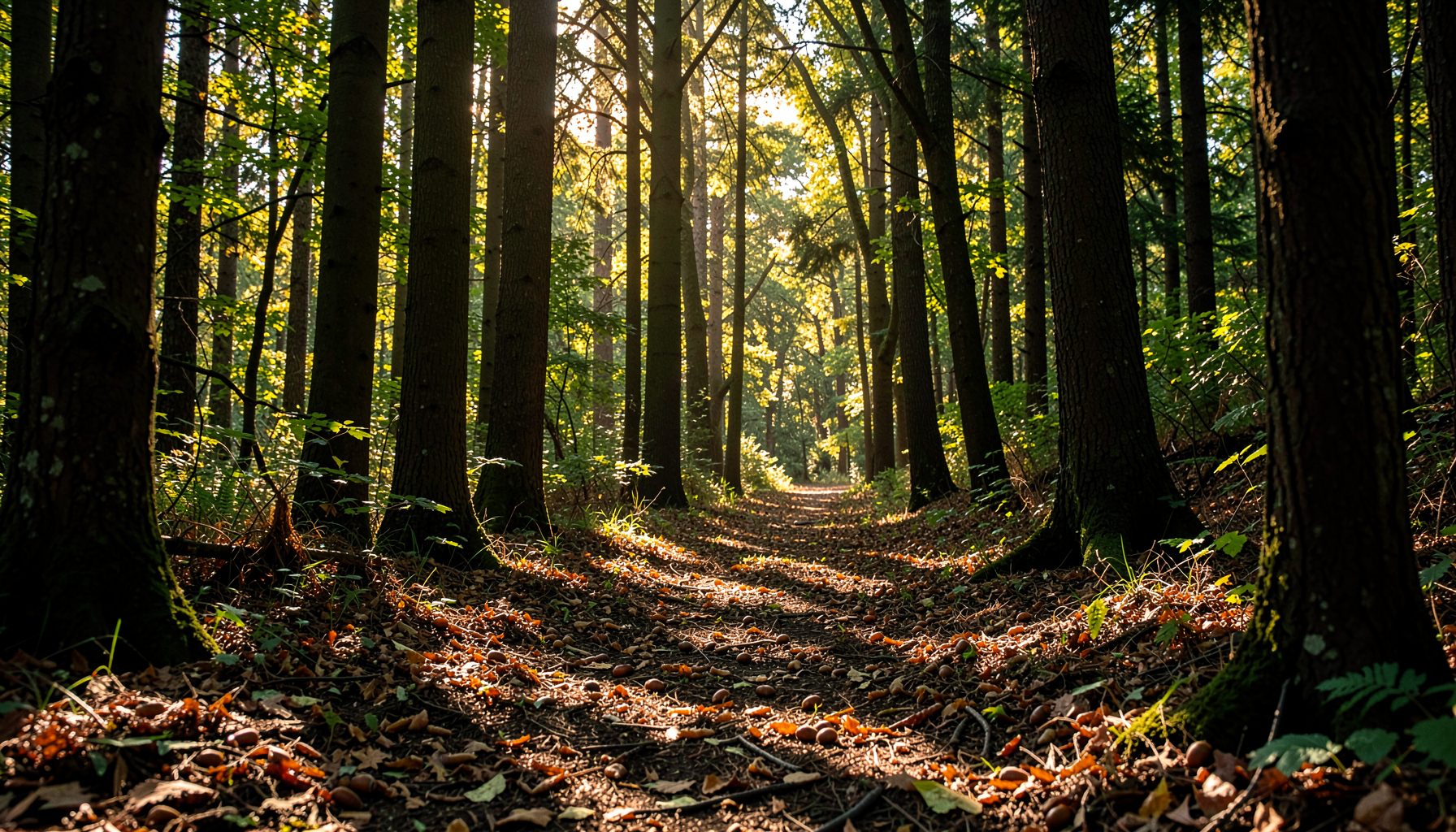
Seed collection helps volunteers understand this connection by placing them in the landscape. They may gather seeds beneath mature trees near a trail, along a woodland edge, or beside a stream. Each setting raises useful observations: Is the ground compacted? Is the stream bank shaded? Are young trees present? Does leaf litter slow runoff?
These details reveal how land cover influences watershed function. Forests intercept rainfall in their canopies, allow water to soak into the soil, and hold sediment in place with roots. When volunteers collect native hardwood and shrub seeds, they are learning how future plant communities can restore those natural processes.
Reading Trees And Their Growing Conditions
Tree identification is more than naming a species. It teaches volunteers to recognize the structure and diversity of a forest. Leaf shape, bark texture, fruit, twigs, and growth patterns provide clues about which plants are suited to a particular site. The tree identification guide gives participants a useful foundation before they head outdoors.
Native species also tell a story about relationships. Oaks, walnuts, hickories, maples, dogwoods, and shrubs support different insects, birds, and mammals. A diverse group of plants creates varied layers, from ground cover and leaf litter to understory branches and mature crowns. Those layers improve habitat while contributing to soil health and water retention.
Volunteers learn that the best seed is not always found in the most impressive tree. Collection decisions depend on species, maturity, local conditions, and genetic diversity. Gathering responsibly protects the parent plant and leaves enough food for wildlife. This practice connects conservation with careful observation and respect for natural cycles.
Seeing How Trees Shape Water Flow
Rain does not simply fall and disappear. It may be caught by leaves, move down bark, filter through soil, enter a shallow groundwater system, or run across a hard surface into a ditch or stream. Plants help determine which path water takes. Their roots create channels in the soil, while fallen leaves cushion the ground and reduce the force of rainfall.
Streamside trees are especially important. Their roots stabilize banks, their shade helps moderate water temperature, and their branches contribute organic matter to aquatic ecosystems. When vegetation is removed, bare soil can wash into waterways, increasing sediment and damaging habitat for fish and other organisms. Volunteers begin to recognize that a healthy riparian buffer is part of the watershed’s infrastructure.
Native trees can also help reduce the speed and volume of stormwater moving toward streams. The relationship between forest cover and flooding is explained in native trees and flooding, where volunteers can explore why restoration has benefits beyond the planting site. A seed collected today may eventually become part of a network of roots and branches that helps absorb intense rainfall.
Connecting Actions To River Recovery
The path from a volunteer’s hands to a restored stream may include several stages. Seeds are collected at the right time, sorted and prepared, and then donated to state nurseries. There, they can be grown into strong seedlings for future conservation projects. The process demonstrates why restoration depends on coordination between community members, horticultural specialists, public agencies, and land managers.
Volunteers therefore learn to measure impact in years rather than days. A newly collected acorn cannot immediately shade a stream or hold a bank together. It represents an investment in a future forest. The state nursery process shows how local participation supports a broader supply of native plants for watershed restoration.
The chain of work also clarifies why native sourcing matters. Plants adapted to regional conditions are more likely to support local wildlife and function well within nearby ecosystems. When many people contribute small amounts of time, the program builds a dependable foundation for larger-scale reforestation and water-quality efforts.
| Volunteer Activity | Watershed Lesson | Long-Term Benefit |
|---|---|---|
| Identifying native trees | Plant communities differ by site and species | Better restoration choices |
| Collecting mature seeds | Forest renewal follows seasonal cycles | A stronger supply of local seedlings |
| Protecting parent trees and wildlife food | Conservation requires responsible harvesting | Healthier ecological relationships |
| Supporting nursery production | Restoration depends on many connected steps | More native plants for streamside projects |
| Observing streamside conditions | Land cover affects runoff, shade, and erosion | Improved planning for watershed recovery |
Turning Field Observations Into Stewardship
The most valuable lessons often come from noticing patterns. Volunteers may see that a steep slope sheds water quickly, that a thick layer of leaves protects exposed soil, or that a streambank with deep roots remains more stable after a storm. These observations turn abstract ideas such as infiltration, sedimentation, and riparian protection into visible parts of everyday landscapes.
They also learn that watershed conservation is shared work. Homeowners, schools, municipalities, farmers, businesses, and nonprofit organizations influence water quality through their choices. A seed collection event can open a conversation about stormwater, invasive plants, habitat corridors, and the value of keeping mature trees in place.
Participants can carry these lessons into their own routines:
- Learn the native trees and shrubs found in local forests and stream corridors.
- Protect mature trees and natural ground cover wherever possible.
- Keep leaves, soil, and other organic material from washing into storm drains.
- Support streamside buffers and restoration projects in the Potomac watershed.
- Share practical watershed lessons with classmates, coworkers, neighbors, and family members.
This kind of stewardship is grounded in attention rather than perfection. Volunteers become better at seeing how ordinary places function and where they may be vulnerable. They understand that a healthy watershed is built through many linked actions, from preserving a woodland patch to growing a seedling for a future planting project.
Learning Through Families, Schools, And Workplaces
Volunteer activities make environmental education active and memorable. Children can compare seeds, look for identifying features, and discuss what trees need to grow. Students can connect field observations to lessons in biology, geography, climate, and civic responsibility. Adults can build a practical understanding of how conservation programs operate beyond a single event.
Group participation also reveals the social side of environmental work. Sorting and collecting seeds require cooperation, attention to instructions, and care for the collection site. Workplaces and community organizations can see how a shared project creates a direct connection to regional ecology. Participants leave with a common experience and a clearer vocabulary for discussing water and land management.
These experiences matter because watershed health is easy to overlook when it is considered only through maps or technical reports. Handling a native seed, standing beside a stream, and examining a forest floor create a physical connection to the system. Volunteers understand that environmental responsibility is something people practice together, not an issue reserved for specialists.
Carrying The Lesson Into The Future
Growing Native shows volunteers that restoration begins well before a tree is planted. It starts with recognizing the value of local forests, collecting responsibly, supporting careful propagation, and understanding where future seedlings can make the greatest difference. Each step strengthens the connection between community action and ecological recovery.
The knowledge gained through volunteering can shape how people evaluate landscapes for years to come. A muddy stream after heavy rain may prompt questions about upstream land cover. A healthy buffer may become evidence of how roots, shade, and leaf litter protect water. A mature oak may be seen as habitat, soil support, seed source, and part of a regional forest network.
Join a Growing Native seed collection event, bring a family member or group, and learn how native plants support cleaner water and resilient forests. By giving time to gather and protect the next generation of trees, volunteers help the Potomac watershed grow healthier one seed at a time.