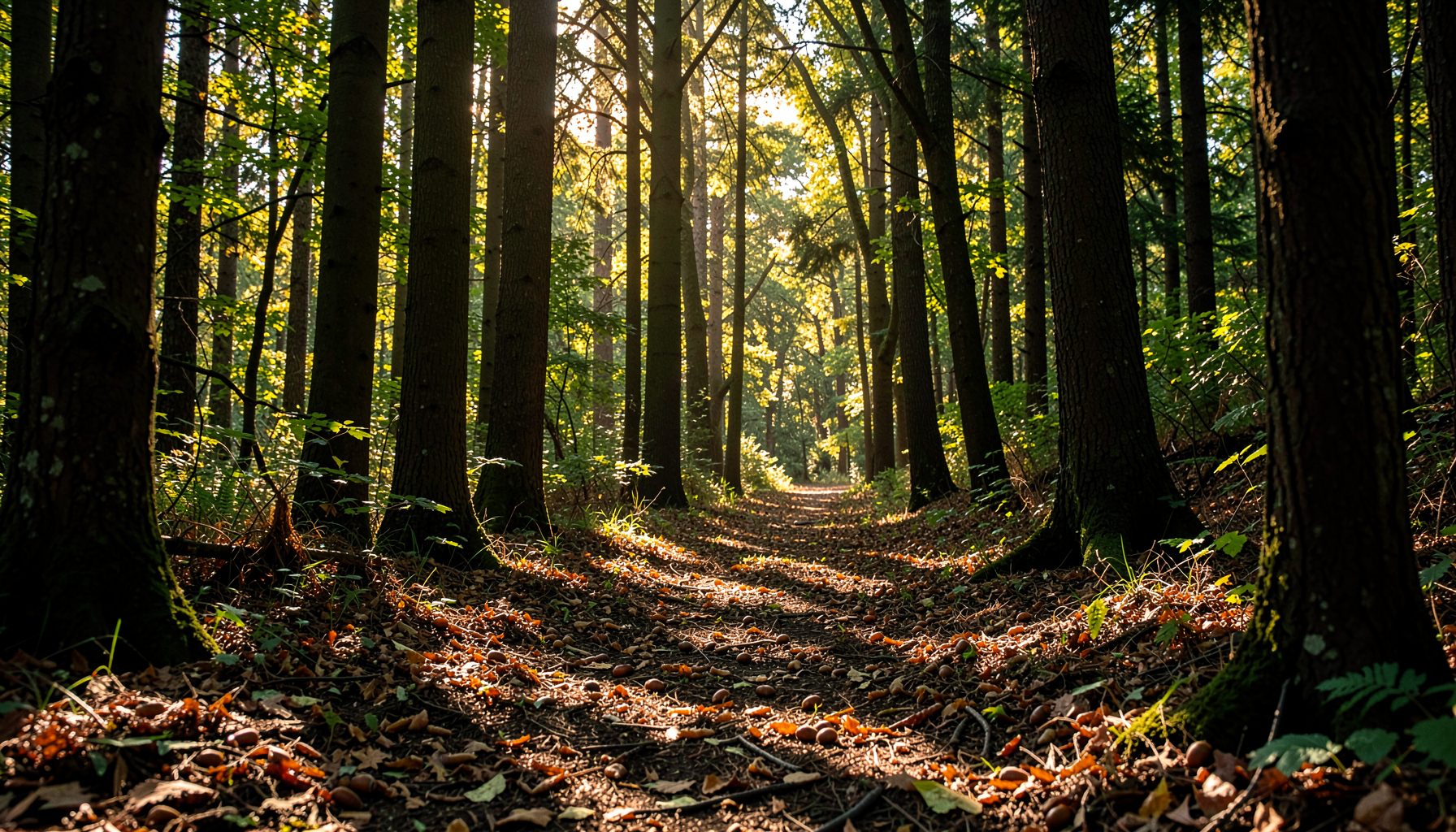
How to Prepare for a Rainy Day Seed Collection
Rain changes the rhythm of a seed-gathering outing. Trails become slick, bark holds water, and fallen nuts can disappear into leaf litter or shallow puddles. Yet a wet forecast does not automatically cancel a collection trip. With thoughtful planning, rain can make some seeds easier to spot and offer a useful lesson in how forests manage water.
The purpose of collecting native hardwood and shrub seeds is bigger than filling a bucket. Acorns, walnuts, sycamore seed balls, and other locally adapted seeds can become streamside seedlings at state nurseries. Those trees may later help stabilize banks, shade waterways, slow runoff, and provide food and shelter for wildlife across the Potomac River watershed.
A successful rainy-day outing depends on three things: choosing appropriate conditions, protecting people and seeds, and knowing when to stop. The right clothing and containers matter, but so do species identification, collection ethics, and careful handling after returning home.
Read the forecast beyond the rain icon
Look at the timing, intensity, wind, temperature, and risk of lightning rather than relying on a simple chance-of-rain percentage. A light, steady shower may be manageable for an experienced group, while thunderstorms, high winds, flooding, or rapidly falling temperatures call for postponement. Wet weather is inconvenient; lightning near tall trees and rising water on trails are serious hazards.
Plan the route with drainage in mind. Avoid stream crossings that could rise during the outing, steep slopes prone to slipping, and low areas where vehicles may become stuck. A short loop near a safe parking area is often better than an ambitious hike. Share the route, expected return time, and emergency contact information with everyone attending.
Rain can reduce visibility and make it harder to distinguish species. Schedule extra time for checking leaves, bark, fruit, and tree form before collecting. If children or first-time volunteers are attending, assign adults to lead navigation and species identification rather than asking the entire group to spread out.
Match the collection to the season
Native seeds mature at different times, and weather can affect when they fall. Acorns often drop over a period of weeks, walnuts may arrive later, and fleshy fruits can attract wildlife quickly after ripening. A rainy day is useful only when the target species is producing mature seed. Green, immature, insect-damaged, or moldy material should remain in the forest.
Before leaving, review reliable identification resources and learn the signs of maturity for the species in your area. For example, American sycamore produces distinctive round seed balls that may hang from branches or fall beneath the canopy. The guide to identifying sycamore seed balls can help volunteers distinguish them from other rounded fruits and understand what to look for in the field.
Collect from several healthy trees instead of taking a large quantity from one individual. Genetic variety strengthens restoration projects, while leaving plenty of seed behind supports squirrels, birds, and natural forest regeneration. Never remove seed from protected land, private property, or managed landscapes without permission.
Dress and pack for wet fieldwork
Layering is more dependable than wearing one heavy garment. A moisture-wicking base layer helps regulate body temperature, an insulating layer provides warmth, and a waterproof outer shell blocks rain. Waterproof footwear with good traction is essential, particularly on muddy slopes, boardwalks, and wet rocks. Pack spare socks and a dry layer in a sealed bag for the trip home.
Protect hands without losing dexterity. Thin work gloves can improve grip on wet nuts and branches, while sturdier gloves help prevent scratches from brambles. Avoid shaking branches or climbing trees to reach seed. A collection trip should use materials that are already on the ground or easily reachable without damaging the plant.
Keep field equipment simple and waterproof. Use breathable paper bags for temporary seed storage, labels that will not run when wet, and a pencil rather than ink that may smear. Plastic bags can trap moisture and accelerate mold, so they are better reserved for protecting maps, phones, or already-dry supplies.
| Field need | Useful choice | Why it matters |
|---|---|---|
| Clothing | Rain shell, warm layers, spare socks | Keeps volunteers comfortable and reduces chilling |
| Footwear | Waterproof boots with traction | Helps prevent slips on mud, roots, and rocks |
| Seed containers | Paper bags or breathable sacks | Allows damp seed to release moisture |
| Labels | Pencil and waterproof tags | Preserves species and location details |
| Safety gear | Charged phone, first-aid kit, whistle | Supports communication and emergency response |
| Cleanup | Tarp, towels, and extra containers | Keeps wet equipment and seed separate during transport |
Collect carefully and record what you find
Begin with a short orientation before entering the collection area. Review the target species, boundaries, safe walking practices, and the amount to collect. Volunteers should know which seeds are wanted and which unfamiliar fruits, nuts, or fungi must be left alone. A buddy system helps groups stay together in poor visibility.
Pick up clean, mature seeds from the ground rather than gathering from branches whenever possible. Leave anything that is cracked, soft, heavily chewed, moldy, or covered in bird droppings. A small amount of surface debris is normal, but mud and standing water should not remain packed around the seed for hours.
Record the collection date, general location, species, and the number of trees represented. If a group is working with a nursery or conservation program, follow its labeling and delivery requirements. Location information helps restoration managers place locally appropriate material and evaluate which collection sites produce healthy seed.
Do not use the same bag for multiple species unless each group can be kept clearly separated. Mixed collections are difficult to identify later, especially when wet. Take a few photographs of the parent trees, leaves, and surrounding habitat if conditions allow; these images can help verify identification without requiring extra handling.
Dry, sort, and transport the harvest
Bring collected seed indoors as soon as practical. Spread it in a single layer on newspaper, cardboard, screens, or clean trays in a cool, shaded, well-ventilated place. Do not place damp acorns or walnuts in direct sun, on a radiator, or in a sealed container. Sudden heat can damage seed, and trapped humidity encourages fungal growth.
Sort the collection after surface moisture has evaporated. Remove debris and discard specimens with obvious rot, deep cracks, or insect damage. Do not wash seeds unless the receiving organization specifically instructs you to do so. Washing can spread moisture into crevices and may interfere with storage or processing.
Some native seeds are recalcitrant, meaning they lose viability if allowed to dry too much. Others require particular temperature, moisture, or stratification conditions before they germinate. For that reason, volunteers should not improvise long-term storage. Contact the nursery or Growing Native promptly and follow its directions for delivery, temporary holding, and labeling.
A practical wet-weather checklist
Use this short checklist before leaving and again when packing up:
- Confirm that the forecast is free of lightning, severe wind, and flood risk.
- Wear layered clothing, waterproof footwear, and traction appropriate for muddy ground.
- Bring paper bags, pencil labels, a phone, first-aid supplies, water, and a dry change of clothes.
- Collect only mature, permitted seed from healthy native trees and leave enough for wildlife.
- Dry, label, sort, and deliver the harvest according to nursery or program instructions.
A team leader can assign one person to monitor weather and another to track the collection records. That division keeps volunteers focused and reduces the chance that wet conditions will lead to forgotten labels or rushed decisions.
Understand why the work matters
Seed collection connects individual trees with a larger watershed restoration system. Once grown into seedlings, native trees and shrubs can be planted along streams, wetlands, roadsides, and degraded forest edges. Their roots hold soil, their canopies slow rainfall, and their leaf litter supports aquatic food webs.
Vegetation also influences how quickly rain reaches a stream. Root networks and organic-rich soil create pathways for infiltration, while trunks, branches, and ground cover interrupt the force of falling water. The relationship between lower flood risk and healthy native tree cover shows why a bag of locally collected seed can contribute to broader protection for communities and waterways.
Rain makes these connections visible. Volunteers may see water pooling on compacted paths, flowing around bare roots, or soaking into a leafy forest floor. Such observations turn a collection outing into a practical lesson in forest ecology. Children and students can compare exposed soil with areas protected by vegetation, while workplace or community groups can discuss how land management affects downstream water quality.
The work also builds stewardship habits. Learning to identify a tree, wait for mature seed, take only what is appropriate, and care for the harvest teaches patience and attention to place. Those skills support future restoration activities, whether volunteers are collecting again, planting seedlings, removing invasive plants, or monitoring a stream bank.
Turn a wet forecast into useful fieldwork
A rainy collection day should be treated as a carefully managed field activity, not a test of endurance. Choose a safe route, dress for changing conditions, keep seed breathable, and give every specimen a clear identity. If the weather becomes hazardous or the ground cannot be traveled safely, postponing the outing protects both volunteers and the quality of the collection.
When conditions are suitable, gather with purpose and care. Families, schools, community groups, and workplaces can make a meaningful contribution by collecting native seed and learning how forest health shapes the Potomac watershed. Visit Growing Native to find volunteer opportunities, prepare your group, and help turn local trees into the next generation of streamside forests.