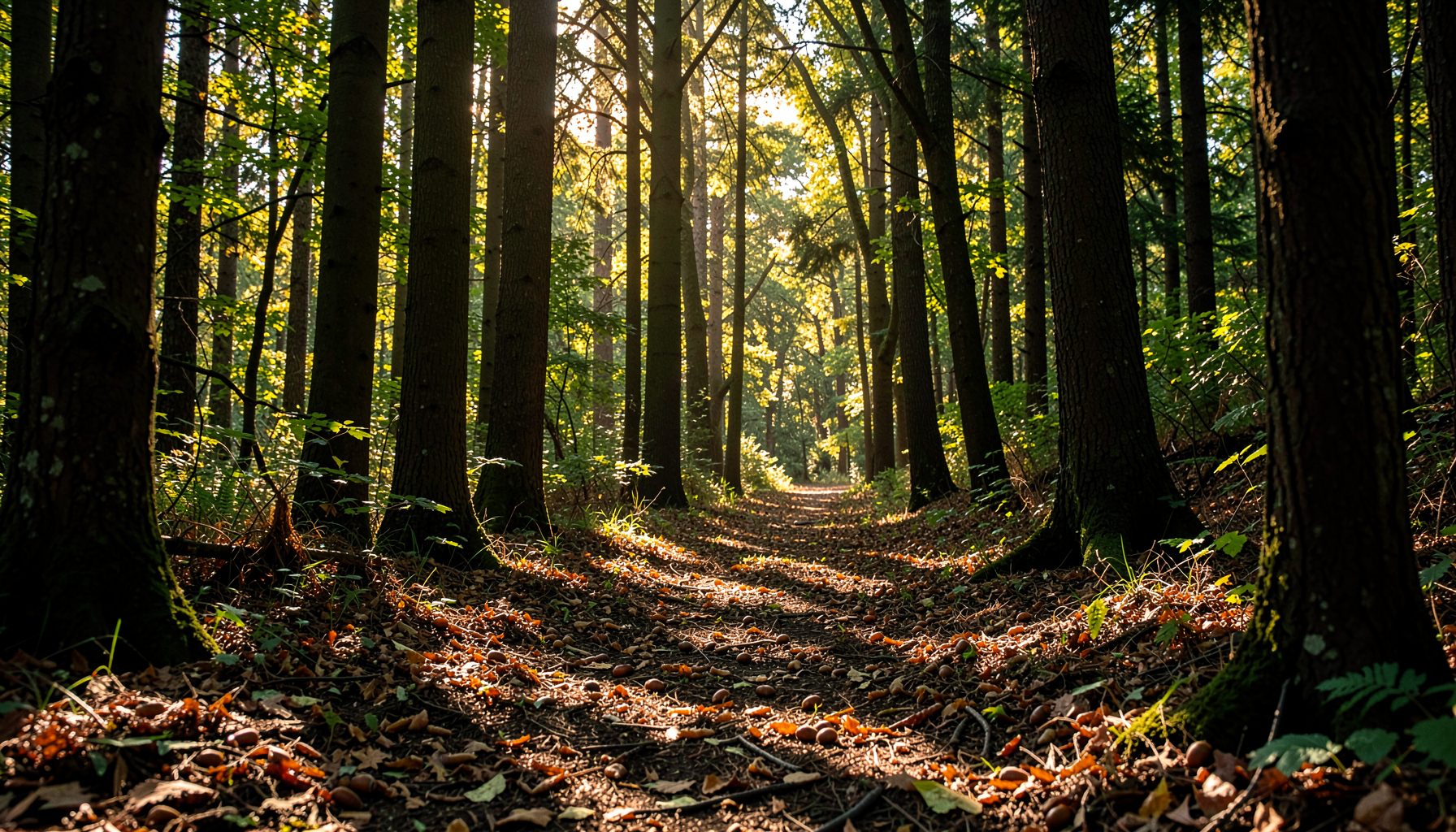
Native trees that hold stream banks together
A healthy stream bank is a living structure. Tree roots bind soil, stems slow floodwater, fallen leaves feed aquatic organisms, and shade keeps water temperatures suitable for native fish and insects. When a bank loses vegetation, rain and rising water can quickly turn a narrow eroded edge into an unstable slope.
Native trees are especially valuable because they are adapted to the seasonal weather, soils, insects, and wildlife of the region where they evolved. In the Potomac River watershed, the best choices often include species that tolerate wet ground, periodic flooding, compacted soil, and the shifting conditions found beside creeks and rivers.
Planting trees is not a quick repair. Roots need time to develop, and a successful restoration usually combines trees with shrubs, grasses, leaf litter, erosion-control materials, and careful management of invasive plants. The right species, placed in the right part of the streamside zone, can help a damaged bank become more stable and ecologically productive over time.
What makes a tree useful beside a stream
A streamside tree should match the site’s moisture, light, soil depth, and flooding pattern. Some species thrive in saturated low areas, while others perform better on the upper bank where the soil is moist but rarely underwater. Planting a flood-tolerant tree on a dry terrace or a moisture-loving tree on a steep, rapidly draining slope can produce poor growth and weak stabilization.
Root architecture matters as much as tree size. Fine roots create a dense soil network that resists small amounts of surface wash, while larger roots help anchor soil and woody debris during high water. A mixture of trees, shrubs, herbaceous plants, and naturally accumulating leaf litter generally protects the bank more effectively than a single row of mature trees.
Native species also contribute to watershed health beyond erosion control. Their flowers, fruits, bark, and leaves support birds, pollinators, aquatic insects, and other wildlife. A diverse planting is less vulnerable to one pest, disease, drought, or flood event than a uniform stand.
Strong choices for wet and flood-prone banks
River birch is one of the most useful native trees for moist stream margins. Its flexible branches and multiple trunks suit places that experience occasional high water, while its fibrous root system helps hold alluvial soil. It grows relatively quickly in full sun and can establish well where the bank remains damp without staying submerged.
Black willow is another effective choice for low, frequently wet areas. It roots readily from cuttings, grows rapidly, and can help reinforce freshly disturbed soil. Its branches bend rather than snap during flood events, and its canopy eventually provides valuable shade. Because black willow is short-lived and can become large, it works best as part of a mixed planting rather than as the only tree on a bank.
American sycamore is suited to broad floodplains and stream corridors with deep, moist soil. It develops a substantial trunk and extensive roots, making it a long-term structural species. Its large leaves and spreading crown create shade over water, but it needs sufficient space and should not be planted directly beneath utility lines or in a narrow residential yard.
Red maple can handle a wider range of conditions, from wet bottomlands to moderately moist upper banks. It establishes more readily than many large hardwoods and offers early shade. Swamp white oak and pin oak may also be appropriate on wetter sites, especially where long-term canopy development and wildlife value are priorities. Local soil and flood patterns should guide the final choice.
Trees for the upper bank and transition zone
The highest part of an eroding bank may drain quickly after rainfall and remain only moderately moist during summer. This transition zone calls for trees that tolerate average garden or woodland soil while still contributing deep, spreading roots. Tulip tree, black gum, and white oak can work in suitable settings, although their mature size requires careful spacing.
Black gum is a particularly strong candidate for moist, acidic soils and is valued for its reliable fall color and wildlife benefits. It typically grows more slowly than willow or river birch, yet its long life and durable structure make it useful for permanent restoration. White oak also develops into a large, resilient tree and supports a wide range of insects and wildlife, including species that depend on native oaks.
American hornbeam and eastern redbud can add diversity along the upper edge of a stream corridor. Hornbeam is a smaller understory tree that prefers moist, shaded conditions, while redbud generally performs best in well-drained soil with good light. These trees may not anchor the lowest bank by themselves, but they help create layered vegetation and fill important habitat niches.
Tree selection should account for mature height, crown width, overhead wires, nearby foundations, mowing access, and the expected path of floodwater. A tree that is ecologically appropriate but planted in the wrong location can become a maintenance problem or suffer repeated damage.
Comparing native trees for bank restoration
The following guide describes general tendencies rather than fixed rules. Conditions vary widely along the Potomac watershed, so local soil testing, flood history, and professional or nursery guidance can refine the planting plan.
| Native tree | Best streamside position | Flood and moisture tolerance | Main restoration value | Important considerations |
|---|---|---|---|---|
| River birch | Lower or middle bank | High; prefers consistently moist soil | Fast establishment, fibrous roots, shade | Needs sunlight and room for multiple stems |
| Black willow | Low bank and wet margin | Very high; tolerates frequent flooding | Rapid growth and easy propagation | Shorter-lived; should be mixed with longer-lived trees |
| American sycamore | Floodplain and broad lower bank | High once established | Large root system, long-term canopy | Requires substantial space |
| Red maple | Middle or upper bank | Moderate to high | Adaptable, good early shade | Avoid highly compacted or permanently saturated soil |
| Swamp white oak | Wet upper bank and floodplain | High | Long-lived canopy and wildlife support | Slow to moderate growth; needs room |
| Black gum | Moist upper bank and transition zone | Moderate to high | Durable structure and wildlife value | Establishes more slowly |
| White oak | Upper bank and well-drained terrace | Moderate | Long-term stability and exceptional habitat value | Not suited to constantly waterlogged soil |
A restoration design often benefits from combining fast-growing pioneer trees with slower, longer-lived canopy species. Willows and birches can provide early cover, while oaks, sycamores, and black gum develop the mature structure that supports a stable streamside forest. This layered approach also reduces the risk that one species failure will leave the bank exposed.
Planting for roots, shade, and water quality
The most stable stream edges usually contain several vegetation layers. Trees shade the water and provide large roots; shrubs occupy gaps close to the bank; grasses, sedges, and herbaceous plants protect the soil surface. Native shrubs such as buttonbush, silky dogwood, and elderberry can strengthen this middle layer and offer flowers, berries, and nesting cover. Guidance on native creekside shrubs can help broaden a tree-focused planting plan.
Spacing should reflect the tree’s eventual size rather than the appearance of small nursery stock. Crowded seedlings compete for water and light, while widely scattered trees leave too much bare soil between root systems. On a steep bank, staggered groupings are generally more effective than a perfectly straight row because they interrupt runoff and create varied root coverage.
Mulch made from clean, locally appropriate organic material can protect soil while young plants establish, but it should not be piled against trunks. Coir logs, live stakes, wattles, or biodegradable erosion-control fabric may be useful on actively eroding sites. These materials support establishment; they do not replace living roots and should be selected to avoid trapping wildlife or restricting natural channel movement.
Avoiding common restoration mistakes
Planting into an active channel or placing woody vegetation where it redirects floodwater can worsen erosion downstream. A stream needs room to move, and some banks require grading, drainage correction, livestock exclusion, or engineered stabilization before trees can survive. Significant projects may also require permits, especially near wetlands, waterways, public land, or regulated floodplains.
Invasive vines and shrubs can smother young trees and add weight to unstable banks. Before planting, remove aggressive competitors such as Japanese stiltgrass, multiflora rose, bush honeysuckle, and invasive porcelainberry where feasible. Follow-up maintenance is essential during the first several years: water seedlings during drought, replace failed plants, protect trunks from browsing, and control competing vegetation without disturbing the soil.
Seed source is another important consideration. Trees grown from locally collected seed are often better matched to regional climate and seasonal conditions. Through Growing Native, volunteers can learn how native hardwood and shrub seeds are collected for restoration and nursery production across the watershed. Supporting locally adapted plant material strengthens both community stewardship and long-term forest recovery.
Practical steps for choosing and planting
A thoughtful site assessment can prevent expensive mistakes and improve survival. Walk the bank after rain if possible, observe where water stands, note existing native plants, and identify places where soil is disappearing. Photographing the site through different seasons can reveal flood levels, sunlight changes, and areas affected by mowing or foot traffic.
Use these recommendations when developing a stream-bank planting plan:
- Match each species to its position: wet lower bank, moist middle bank, or better-drained upper terrace.
- Combine fast-growing trees such as river birch and black willow with longer-lived species such as sycamore, oak, or black gum.
- Plant shrubs, sedges, grasses, and groundcovers between trees to protect the soil surface and increase habitat value.
- Protect young trees from deer, lawn equipment, drought, and invasive plants during the establishment period.
- Select locally appropriate stock and use regional educational resources, including tree identification materials, before collecting or planting.
Restoration is most successful when it treats the streamside area as a connected ecosystem rather than a narrow strip of trees. Healthy banks depend on floodplain function, upstream land use, groundwater, wildlife movement, and the condition of the entire watershed.
Whether the project involves one backyard creek or a larger community corridor, volunteers can make a measurable difference by collecting native seed, caring for seedlings, and helping restore diverse streamside forests. Visit Growing Native to find ways to participate in watershed restoration and turn local stewardship into stronger banks, cleaner water, and more resilient forests.