Growing Native: A Family Volunteer Day In The Field
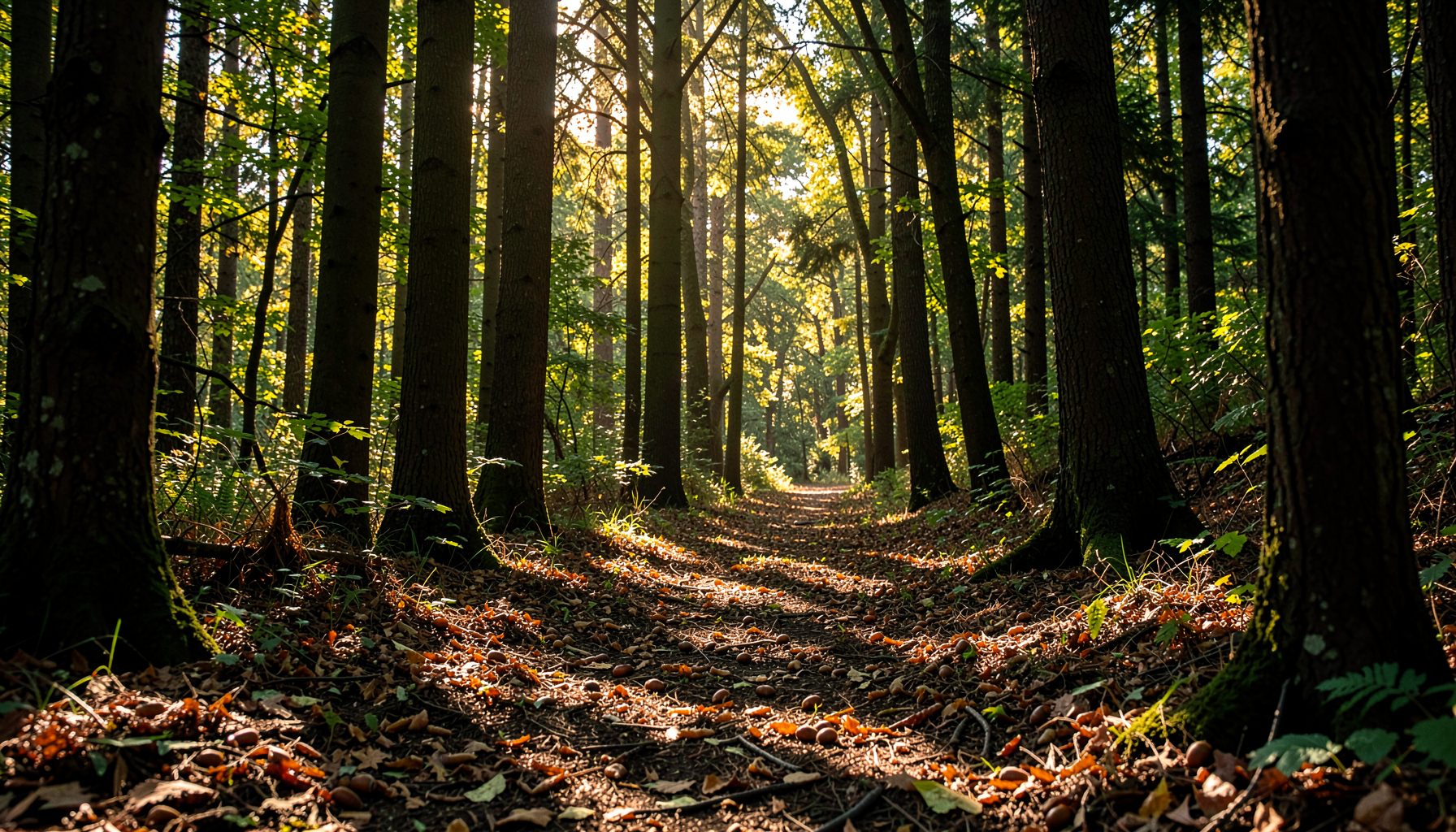
A family volunteer day in the field can turn an ordinary weekend into a practical lesson in ecology. Instead of learning about forests only from books or screens, children and adults can walk beneath mature trees, examine seeds, and see how small acts of care support clean water and healthy habitats.
Growing Native connects families with the Potomac River watershed through hands-on conservation. Volunteers collect native hardwood and shrub seeds, including acorns and walnuts, which are donated to state nurseries. There, the seeds can become streamside seedlings that help restore forests, stabilize soil, and protect waterways.
The work is approachable for beginners. Families do not need advanced botanical knowledge or previous outdoor experience. A willingness to observe, cooperate, and spend time outside is enough to make the day meaningful.
Planning A Day That Fits Your Family
Before heading into the field, choose a volunteer opportunity that matches your group’s ages, energy levels, and interests. Younger children may enjoy searching for acorns and sorting what they find, while older children can help identify trees, record observations, or explain why streamside forests matter. Adults can provide transportation, supervise children, and help carry collection bags or supplies.
A little preparation makes the experience easier. Check the meeting instructions, expected duration, weather forecast, and site conditions. Dress everyone in layers and sturdy, closed-toe shoes. Long pants help protect legs from brush and ticks, while hats and light rain gear can make changing weather less disruptive. Bring water, snacks, sunscreen, and any required personal medication.
Families can also set a simple purpose for the day. One group might focus on recognizing several native trees, while another might pay attention to how roots, leaves, and fallen branches affect the forest floor. A clear goal gives children something to look for and helps them connect their actions with the larger restoration effort.
Arriving Ready For Fieldwork
Field days often begin with an orientation about safety, seed collection, and the surrounding ecosystem. Listen closely to instructions about where to walk, which seeds to collect, and how to handle tools or collection containers. Native seeds are valuable because they carry the genetic character of local forests, so volunteers should gather only what the project requests and leave unsuitable or damaged material behind.
The field itself becomes part of the lesson. Families may notice differences between a mature forest, a disturbed edge, and a stream corridor. Near water, trees and shrubs help slow runoff, hold soil in place, and filter pollutants before they enter the stream. Their branches provide shade, and their roots create shelter for insects, birds, and other wildlife.
Children often discover details adults overlook: a cap on an acorn, a rough patch of bark, a winged seed, or a trail through leaf litter. Encourage careful observation without turning the day into a test. The purpose is to build familiarity with the living landscape and show that conservation begins with paying attention.
Learning Trees Through Hands-On Work
Seed collection offers a natural way to practice tree identification. Volunteers can compare bark texture, leaf shape, twigs, buds, and fruit while standing beneath the trees that produced them. Seasonal identification is especially useful because winter forests may have no leaves. Families preparing for a cold-weather outing can use this guide to identify a northern red oak before entering the field.
A child who learns to recognize one oak today may notice many more trees on the next walk. That growing confidence can lead to questions about where trees grow, how they reproduce, and why some species are better suited to local conditions. Adults can reinforce the lesson by asking children to describe evidence rather than simply naming a tree: Is the bark ridged or smooth? Are the buds arranged in a particular pattern? What kind of seed is beneath it?
Collection work also demonstrates that forests are connected across generations. An acorn gathered during one volunteer day may be grown at a nursery, planted beside a stream, and eventually become part of a mature woodland. The visible task is simple, but its purpose reaches far beyond the hour spent searching the ground.
From Forest Seeds To Streamside Trees
The journey from seed to restoration project helps families understand why careful collection matters. Each stage depends on attention to place, timing, quality, and species. The process can be described in a straightforward way:
| Stage | What Volunteers And Partners Do | Why It Matters |
|---|---|---|
| Observe | Locate native trees and examine mature seeds | Healthy, local sources support suitable plant material |
| Collect | Gather requested acorns, walnuts, or shrub seeds | Seeds provide the starting point for future seedlings |
| Sort | Remove damaged, moldy, or unsuitable material | Better-quality seed improves nursery handling |
| Grow | State nurseries raise seeds into young trees and shrubs | Seedlings are prepared for restoration sites |
| Plant | Streamside seedlings are established in the watershed | Roots reduce erosion, shade water, and support habitat |
| Steward | Communities care for restored areas over time | Long-term attention helps forests become resilient |
This sequence gives children a visible connection between effort and outcome. They can understand that planting a tree is important, yet planting is only one part of restoration. Seed sourcing, nursery care, site preparation, maintenance, and monitoring all contribute to whether a young plant survives.
The work also encourages patience. A seed does not become a forest in a season. Families may never see the exact tree that grows from their collection, but their contribution joins the work of other volunteers, nurseries, landowners, and watershed partners. That shared effort is how scattered acts become a functioning forest corridor.
Making Room For Every Volunteer
A successful family field day does not require every participant to do the same task. Assign roles according to age, comfort, and ability. One person can carry the collection bag, another can look for seeds, and another can help check the species or condition of each find. Children who tire quickly can take observation breaks, draw what they see, or help count and organize materials.
Groups should also build in moments to pause. A short break beneath a tree can be a chance to drink water, listen for birds, or examine the stream. These quiet intervals prevent the day from feeling like a race and allow participants to absorb what they are learning. Conservation becomes more memorable when it includes discovery, conversation, and time to enjoy being outdoors.
Families should follow site guidance around private property, sensitive habitats, wildlife, and waste. Staying with the group and using designated paths protects both volunteers and the places they visit. A respectful field presence is part of the service: the goal is to help a landscape while leaving it undisturbed wherever collection is not taking place.
Carrying The Lesson Home
The experience can continue after the bags are delivered. Children might create a small field journal with drawings, bark rubbings made from permitted surfaces, or notes about the trees they encountered. Families can revisit a local park in another season and look for changes in buds, flowers, leaves, and seeds. These activities turn a single service day into an ongoing relationship with nature.
A family conversation at home can connect the fieldwork to everyday choices. Discuss how trees affect summer shade, stormwater, wildlife, and neighborhood streams. Look at a map of the Potomac River watershed and trace how rainfall moves from streets and yards into creeks and rivers. The discussion helps children see that watershed health is shaped by many places, including their own community.
Practical ways to extend the experience include:
- Plant a native tree or shrub where local guidelines and space allow.
- Visit a nearby stream and observe signs of erosion, shade, and wildlife.
- Learn to identify a few additional native species during each season.
- Share the purpose of seed collection with a school, club, or workplace group.
- Keep a family record of volunteer days, discoveries, and restoration milestones.
These follow-up habits support environmental stewardship without requiring complicated equipment. They also give children a sense of ownership. When young volunteers recognize a tree, notice a healthier streambank, or explain why native plants matter, they are becoming participants in conservation rather than spectators.
Join The Watershed Effort
A family volunteer day in the field offers more than a pleasant outing. It gives children meaningful responsibility, helps adults learn alongside them, and contributes materials that can become future forest. The experience brings together tree identification, outdoor education, seed conservation, and watershed restoration in one shared activity.
Growing Native welcomes individuals, families, schools, community groups, and workplaces interested in supporting native forests and cleaner waterways. Families can explore current volunteer opportunities, choose an activity that fits their schedule, and arrive ready to learn and help.
Bring sturdy shoes, curiosity, and a willingness to work together. Every carefully collected seed can become part of a longer story: a streamside tree, a stronger forest edge, improved habitat, and a healthier Potomac River watershed for years to come.