How wind and water move native seeds through the watershed
A forest does not renew itself in place. Each generation of trees depends on seeds reaching suitable ground, surviving weather and wildlife, and finding enough moisture and light to begin growing. Wind and flowing water are two of the most important natural forces in this process, carrying seeds away from parent plants and connecting forests with streambanks, floodplains, and open habitats.
Seed dispersal may happen over a few feet or across an entire watershed. The distance depends on a seed’s size, shape, weight, and timing, as well as the strength of the wind or the speed and direction of the water. Native plants have evolved different ways to travel, and these adaptations help forests recover after disturbance while maintaining genetic diversity.
In the Potomac River watershed, understanding how seeds move also helps people restore healthy forests. When volunteers collect native hardwood and shrub seeds, they support a human-guided version of a natural cycle: seeds are gathered responsibly, grown in state nurseries, and planted where streamside trees can reduce erosion, shade waterways, and improve habitat.
How seeds travel beyond the parent tree
A seed that falls directly beneath its parent may face intense competition. The mature tree already occupies the soil, absorbs available water, and casts shade over the forest floor. Dispersal spreads offspring into nearby spaces where sunlight, nutrients, and moisture may be more favorable.
Wind-dispersed seeds often have wings, hairs, or lightweight coverings. Maple samaras spin as they descend, ash fruits can glide on air currents, and many shrubs release small seeds that move in gusts. Water-dispersed seeds tend to float, resist soaking for a period of time, or travel inside fruits and plant material carried by runoff.
These movements are rarely random. A seed may land far from its source, but its chance of becoming a seedling depends on conditions at the destination. Bare soil, leaf litter, seasonal flooding, competition from invasive plants, deer browsing, and fungal disease all influence whether dispersal leads to successful regeneration.
Wind as a selective transport system
Wind is especially effective in open areas, along ridgelines, across fields, and at forest edges. Its influence changes inside dense woodland, where trunks, branches, and foliage slow air movement. A seed released from a high branch can travel farther than one dropped from a low shrub, but distance alone does not determine success.
Small, light seeds may be lifted and carried in unpredictable directions. Winged seeds generally travel in a spiraling or gliding pattern, allowing them to move away from the parent tree before reaching the ground. Dry weather can help some fruits split and release seeds, while damp conditions may keep them attached until a later period.
Wind also shapes the distribution of plants across the landscape. Colonizing species often appear first in disturbed ground because their seeds can cross open spaces. Over time, these early plants may create shade, stabilize soil, and change the microclimate, making it easier for other native trees and shrubs to establish.
Waterways create moving corridors
Rainfall begins many seed journeys. Water flowing over slopes can carry loose seeds into depressions, drainage channels, and small streams. Larger rivers then connect those local pathways to floodplains and downstream habitats. During high water, seeds may be deposited on sandbars, muddy banks, and freshly disturbed soil.
Flooding can be destructive, but it also renews habitat. As water recedes, it leaves behind moist sediment where seeds can germinate. Streamside forests benefit from this recurring exchange of water, soil, and organic material. Species adapted to wet conditions often rely on flood pulses to move their seeds and expose suitable planting sites.
Water dispersal has limits. A seed may be carried too far, buried too deeply, or deposited in a place that dries quickly. Pollution, hardened shorelines, dams, invasive vegetation, and excessive channel erosion can interrupt natural movement. Protecting riparian buffers helps preserve the corridors that seeds, wildlife, and nutrients use to move through a watershed.
Comparing wind and water dispersal
The same species may use several pathways. Seeds can fall near a parent tree, be blown across a clearing, or enter a stream after heavy rain. Animals also interact with both forces by carrying fruits and nuts, burying them, and leaving some behind for later germination. Natural regeneration is therefore a network of overlapping movements rather than a single route.
| Dispersal pathway | Useful seed traits | Common landscape settings | Restoration value |
|---|---|---|---|
| Wind | Light weight, wings, hairs, dry pods | Ridges, fields, forest edges | Reaches open or disturbed ground |
| Surface runoff | Small size, loose attachment, tolerance of brief wetting | Slopes, ditches, seasonal channels | Connects upland plants with streams |
| Floodwater | Buoyancy, durable seed coat, seasonal timing | Floodplains, riverbanks, wetlands | Recolonizes freshly deposited soil |
| Gravity | Heavy fruits or nuts, short travel distance | Forest floors, slopes, beneath parent trees | Supports nearby woodland renewal |
| Animal-assisted movement | Edible fruit, hard nuts, attractive coverings | Forests, hedgerows, fragmented habitats | Moves seeds across barriers and adds genetic variety |
For restoration planning, these differences matter. A seed source from a healthy local population may be well suited to the watershed, but it still needs an appropriate destination. Planting a flood-tolerant native along a stream is more likely to succeed than placing it on a dry ridge, just as a wind-dispersed tree may need open light during its early growth.
From natural dispersal to restoration practice
Human seed collection can reinforce the processes already operating in a forest. Volunteers gather mature seeds during the appropriate season, keep different species and source areas organized, and deliver viable material to nurseries. The resulting seedlings can be planted in locations where natural regeneration is limited by fragmentation, invasive plants, browsing pressure, or altered water flow.
Responsible collection begins with accurate identification and careful timing. The seed collection guide explains how to recognize suitable seeds, gather them without harming parent plants, and handle them so they remain viable. Collectors should avoid taking every seed from one tree or concentrating on a single small population, since wildlife and natural regeneration also depend on the available crop.
Native nuts are particularly valuable for forest restoration. Acorns and walnuts can produce strong hardwood seedlings, but they differ in appearance, maturity, and handling needs. Learning to distinguish related species reduces mistakes in the field; the guide to black walnuts and butternuts offers practical identification details for collectors working with these important native trees.
Nursery production extends the reach of natural dispersal. Instead of depending entirely on whether a seed happens to land in a favorable patch, conservation programs can raise seedlings and place them strategically along streams and forest edges. Once established, those trees begin producing their own seeds, gradually restoring a self-renewing cycle.
Conditions that shape successful regeneration
Seed movement is only the first stage. Germination requires the right combination of temperature, moisture, oxygen, soil contact, and seasonal timing. Some seeds need cold, damp conditions before they can sprout, while others lose viability if they dry out. A seed deposited during a flood may remain dormant until spring, when light and soil moisture align.
The surrounding landscape can either support or block natural regeneration. Healthy forest floors contain leaf litter and microorganisms that help retain moisture. Native shrubs provide structure and food for wildlife, while tree roots stabilize streambanks. In contrast, compacted soil, mowed buffers, invasive vines, and excessive browsing can prevent dispersed seeds from becoming mature plants.
Climate patterns add another layer of uncertainty. Strong storms may move seeds farther than usual, while drought can reduce seed production and survival. Warmer winters may alter dormancy, flowering, and fruiting schedules. Local seed collection and diverse plantings help restoration projects respond to changing conditions by preserving a broad range of native species and genetic material.
Ways to support native seed movement
People can help natural dispersal and community restoration work together. A healthy watershed needs mature seed-producing trees, connected habitats, functioning streambanks, and volunteers who understand how small actions contribute to long-term forest recovery.
Useful ways to participate include:
- Join a seasonal seed-collecting event through Growing Native and learn how local hardwoods and shrubs reproduce.
- Record the location and species of collected seeds so nursery staff can maintain reliable source information.
- Protect streamside vegetation by avoiding unnecessary clearing and supporting native riparian plantings.
- Use educational materials to practice tree identification with families, students, or community groups.
- Bring safe field clothing, containers, gloves, and other essentials by reviewing the volunteer gear checklist before collecting.
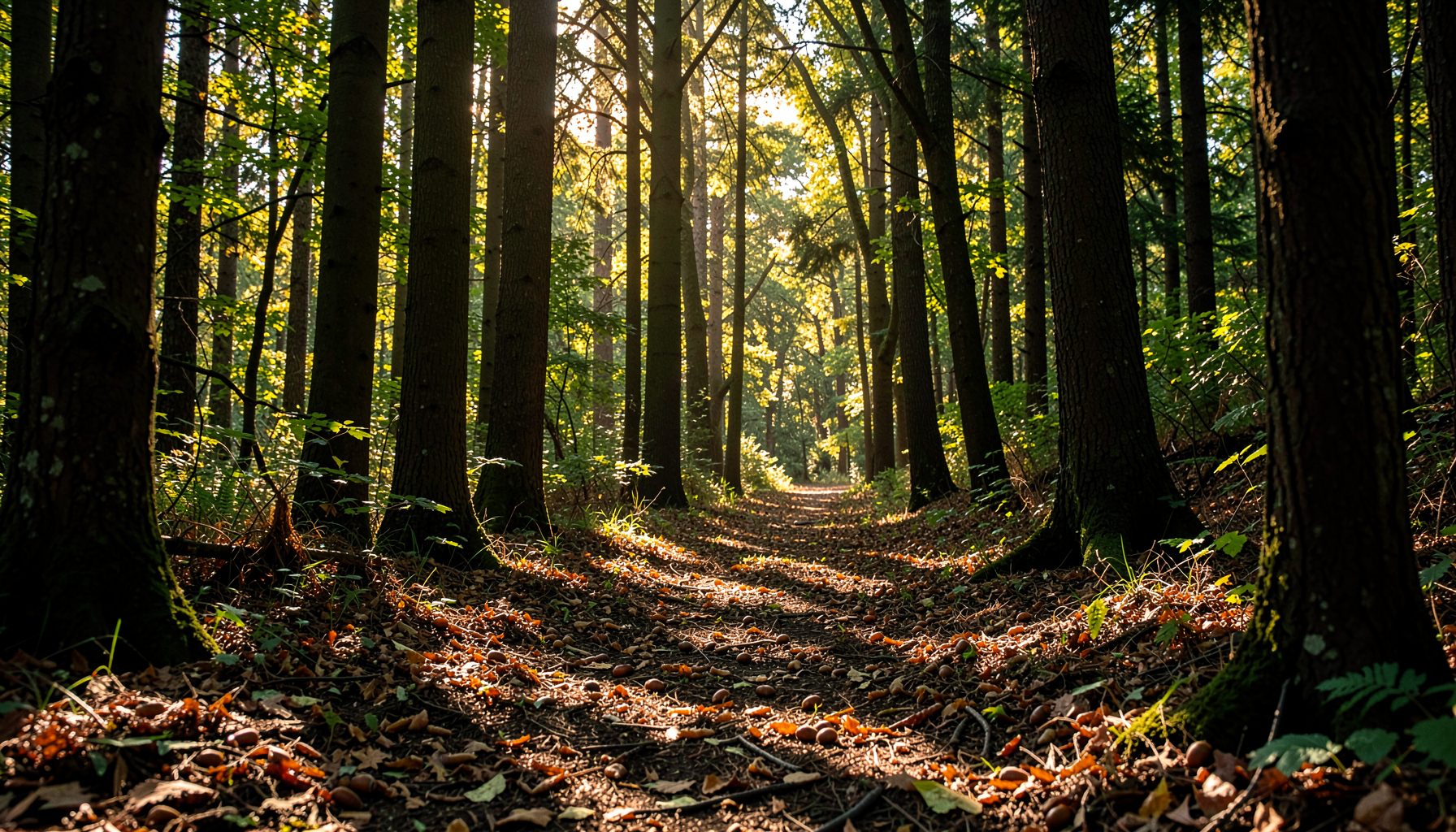
Volunteer work is especially meaningful when it connects observation with action. A walk through a forest can reveal winged seeds caught in leaf litter, nuts moved by squirrels, or flood debris gathered along a bank. These signs show that dispersal is happening continually, even when no person is directing it.
When communities collect and care for native seeds, they strengthen a process that has shaped regional forests for thousands of years. Each seed can contribute to cleaner water, more stable soil, wildlife habitat, and a stronger connection between people and the Potomac watershed.
Carry the cycle forward
Wind and water determine where many seeds travel, but people can help ensure that those journeys lead to healthy forests. By protecting mature native plants, caring for waterways, collecting responsibly, and planting locally appropriate seedlings, volunteers make natural regeneration more likely across the landscape.
Growing Native welcomes individuals, families, schools, community groups, and workplaces into this work. Take part in a seed-collecting opportunity, explore the program’s educational resources, and help move native forests toward a more resilient future—one seed, streambank, and volunteer effort at a time.