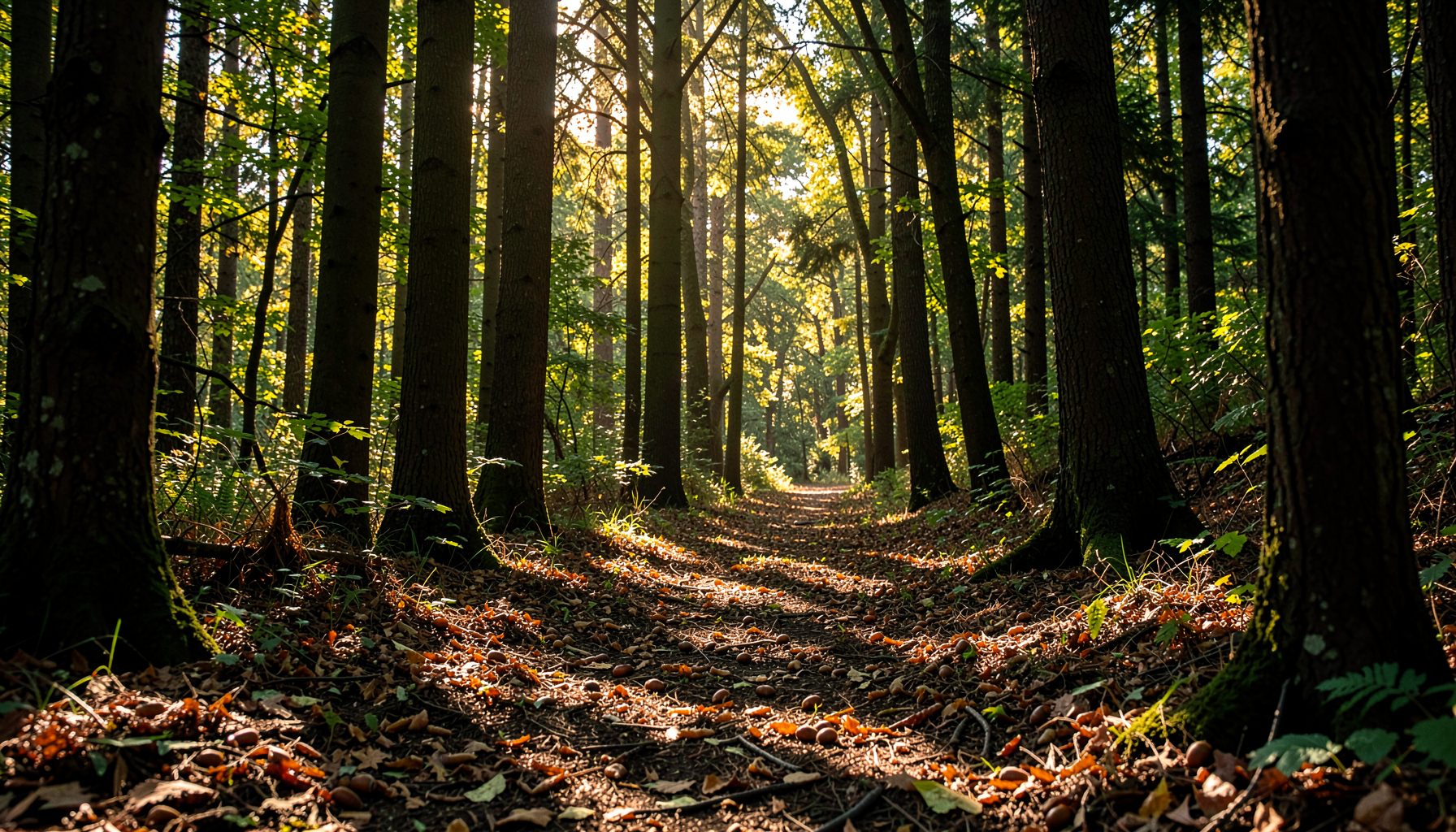
Native Trees And Cleaner Drinking Water In Australian Catchments
Healthy native forests are part of the infrastructure that protects drinking water. Before water reaches a treatment plant, it may travel through wooded hillsides, grassy floodplains, wetlands and streamside corridors. The condition of those landscapes affects how much sediment, nutrient pollution, organic matter and disease-causing material enters the water supply.
For communities across Australia, restoring native trees offers a practical way to support water security alongside careful catchment management and modern treatment systems. The strongest results come when local revegetation, responsible land use, waterway protection and community participation work together.
Why Catchment Vegetation Matters
Rainfall moving across cleared or compacted ground can quickly carry soil into creeks and reservoirs. Fine sediment clouds the water, transports phosphorus and other pollutants, and can settle in dams, reducing storage capacity. In urban areas, runoff from roads, roofs and developed blocks may also contain oils, metals, litter and excess nutrients.
Native trees and shrubs slow that movement. Their trunks and leaf litter interrupt rainfall, while roots help hold soil in place. A planted riparian buffer along a creek can reduce the speed of overland flow and create a more stable edge, helping water enter the channel with less sediment.
This matters in catchments supplying Sydney, Melbourne, Brisbane, Canberra and regional towns. Heavy rainfall can expose weak points in the landscape, particularly where bushland has been cleared for roads, housing, grazing or intensive agriculture. Restoring vegetation upstream is a long-term investment in the resilience of those drinking water sources.
How Trees Improve Water Quality
Tree roots create channels through the soil, allowing rainfall to infiltrate rather than flow rapidly across the surface. This process can reduce erosion and give soil organisms more time to break down some pollutants. Vegetation also takes up nutrients such as nitrogen and phosphorus, which can otherwise encourage algal growth in waterways and reservoirs.
A shaded stream is generally cooler than an exposed one. Lower water temperatures can support aquatic habitat and reduce stress on native fish and invertebrates. Fallen branches, roots and leaf litter also contribute to a functioning stream ecosystem, although restoration must be carefully designed so that excessive debris does not obstruct flood flows or infrastructure.
Native vegetation is not a replacement for drinking water treatment. Australian utilities still rely on filtration, disinfection, monitoring and catchment controls under the framework of the Australian Drinking Water Guidelines. Trees reduce the pressure placed on those systems by improving the quality of water entering the treatment chain.
Choosing Species For Australian Landscapes
“Native” should mean native to the local ecological community, not simply a plant that originated somewhere in Australia. A species suited to a dry inland creek may perform poorly in a cool Victorian catchment, while a rainforest plant may be inappropriate beside a seasonal stream in western Sydney. Local provenance can improve survival and help maintain the genetic character of nearby vegetation.
Species selection should reflect soil type, flood frequency, salinity, fire conditions and available groundwater. Eucalypts, paperbarks, wattles, she-oaks, casuarinas and native shrubs can all have useful roles, but the right combination varies by site. Dense understorey plants are often as important as canopy trees because they protect the soil surface and fill gaps where weeds could establish.
Landholders and volunteers also need to understand local legal requirements. Clearing and revegetation rules differ between states and councils, including legislation such as New South Wales’ Biodiversity Conservation Act and Queensland’s Vegetation Management Act. A local catchment group, council officer or landcare coordinator can help identify approved species and avoid conflicts with flood management, fire access or protected habitat.
Water Security And Wider Environmental Benefits
Streamside forests improve more than the chemical condition of water. Their roots stabilise banks, reducing the need for costly repairs after floods. Their shade and habitat support frogs, birds, insects and aquatic species, while connected vegetation corridors allow wildlife to move through fragmented landscapes.
Healthy soils can also store more water between rainfall events. That does not eliminate drought risk, but it can improve the way a catchment absorbs, holds and gradually releases rainfall. In places affected by intense storms followed by long dry periods, this capacity is increasingly valuable.
There are everyday connections for households as well. Australians who use rainwater tanks, water gardens, walk near creeks or rely on regional reservoirs benefit from catchments that remain biologically active and less polluted. Careful disposal of paint, oil, medicines and garden chemicals still matters, because trees cannot intercept every pollutant once it enters stormwater.
From Seeds To Streamside Forests
Revegetation begins long before a seedling is planted. Collecting mature acorns, walnuts and other locally appropriate seeds helps supply nurseries with material that can be grown for restoration. Proper identification, collection timing, storage and record keeping are essential to producing healthy plants with known origins.
Growing Native demonstrates how community seed collection can support broader restoration, including through its partnerships with conservation districts. Although the program works in the Potomac River watershed, its model offers useful ideas for Australian groups: connect volunteers with technical experts, direct collected seed to capable nurseries, and link every activity to a measurable catchment goal.
In Australia, this approach can support local councils, Landcare networks, Aboriginal ranger programs, schools and water utilities. Seed collection should always follow local permissions and ecological guidance. Taking too much seed, collecting from threatened plants or moving material between unsuitable regions can harm the very ecosystems restoration is intended to protect.
Community Participation Builds Stewardship
People are more likely to value water protection when they can see and contribute to the work. A school class identifying trees beside a creek learns how leaves, bark, roots and fruit relate to habitat. A workplace planting day can connect staff with a nearby waterway rather than treating environmental responsibility as an abstract target.
Educational activities can be adapted to Australian seasons and conditions. In southern regions, seed collection and planting schedules may be shaped by winter rainfall, while tropical and subtropical areas must account for wet seasons, heat and rapid weed growth. A school program can combine tree identification with lessons about the local drinking water catchment and the journey of a raindrop from roof or hillside to reservoir.
Practical guidance for teachers is available through this resource on organising a school field trip. Australian educators can adapt its safety planning, permissions and activity structure to local council reserves, bushland sites and community nurseries. Well-prepared excursions make participation safer and give students a clear role in long-term habitat restoration.
Practical Priorities For Cleaner Water
A successful native tree program needs clear goals, suitable plants and follow-up care. Planting numbers alone do not show whether a project has improved a waterway. Survival rates, weed control, bank stability, canopy development and changes in turbidity or nutrient levels provide a more useful picture.
Local projects should also recognise the market for native plants. Australian nurseries, wholesale tube-stock growers and Indigenous-led enterprises can supply regionally suitable plants, while council grants and waterway restoration contracts may help fund maintenance. Buying healthy stock from reputable sources strengthens the local restoration economy and reduces the risk of introducing pests or poorly adapted genetics.
Useful priorities include:
- Protect existing mature native vegetation before planning new plantings.
- Map eroding banks, drainage lines, wetlands and high-risk runoff areas.
- Select species based on local provenance, soil, flood patterns and climate.
- Combine canopy trees with shrubs, grasses and groundcovers for layered protection.
- Schedule watering, guards, weed control and replacement planting after installation.
- Monitor turbidity, bank condition, plant survival and habitat recovery over time.
- Work with councils, Traditional Owners, utilities, schools and Landcare groups.
A staged project is usually more durable than a one-day planting event. Begin with a site assessment, agree on responsibilities, establish a realistic maintenance budget and revisit the area through dry seasons, floods and heatwaves. This turns volunteer energy into a functioning streamside ecosystem rather than a short-lived display of seedlings.
Native trees are a valuable part of the drinking water protection system, from small urban creeks to major reservoir catchments. Their roots, shade, leaf litter and habitat help keep soil and pollutants out of waterways, while community care gives restored landscapes a better chance of surviving changing conditions.
Support local seed collection, join a waterway restoration day, involve a school or workplace, and learn which native species belong in your catchment. Each well-planned action can strengthen the link between healthy forests, resilient rivers and safer water supplies for Australian communities.