The life of a seed from forest floor to planting day
A forest begins again in small, easily overlooked ways. An acorn tucked beneath leaves, a walnut carried downhill by rain, or a shrub seed resting in a patch of damp soil may eventually become part of a new streamside forest. Before that happens, the seed must pass through several careful stages shaped by weather, wildlife, people, and time.
In the Potomac River watershed, collecting native tree and shrub seed connects healthy forests with future restoration sites. Volunteers help gather local seed, identify it, keep it in good condition, and send it to nurseries where it can develop into strong seedlings. The work is simple in its individual tasks, yet powerful when many people participate across a season.
The journey from forest floor to nursery to planting day also offers a practical lesson in ecology. Every seed carries information about its species and local conditions, while each planting contributes to cleaner water, more stable streambanks, wildlife habitat, and a stronger native plant community.
A seed begins beneath the canopy
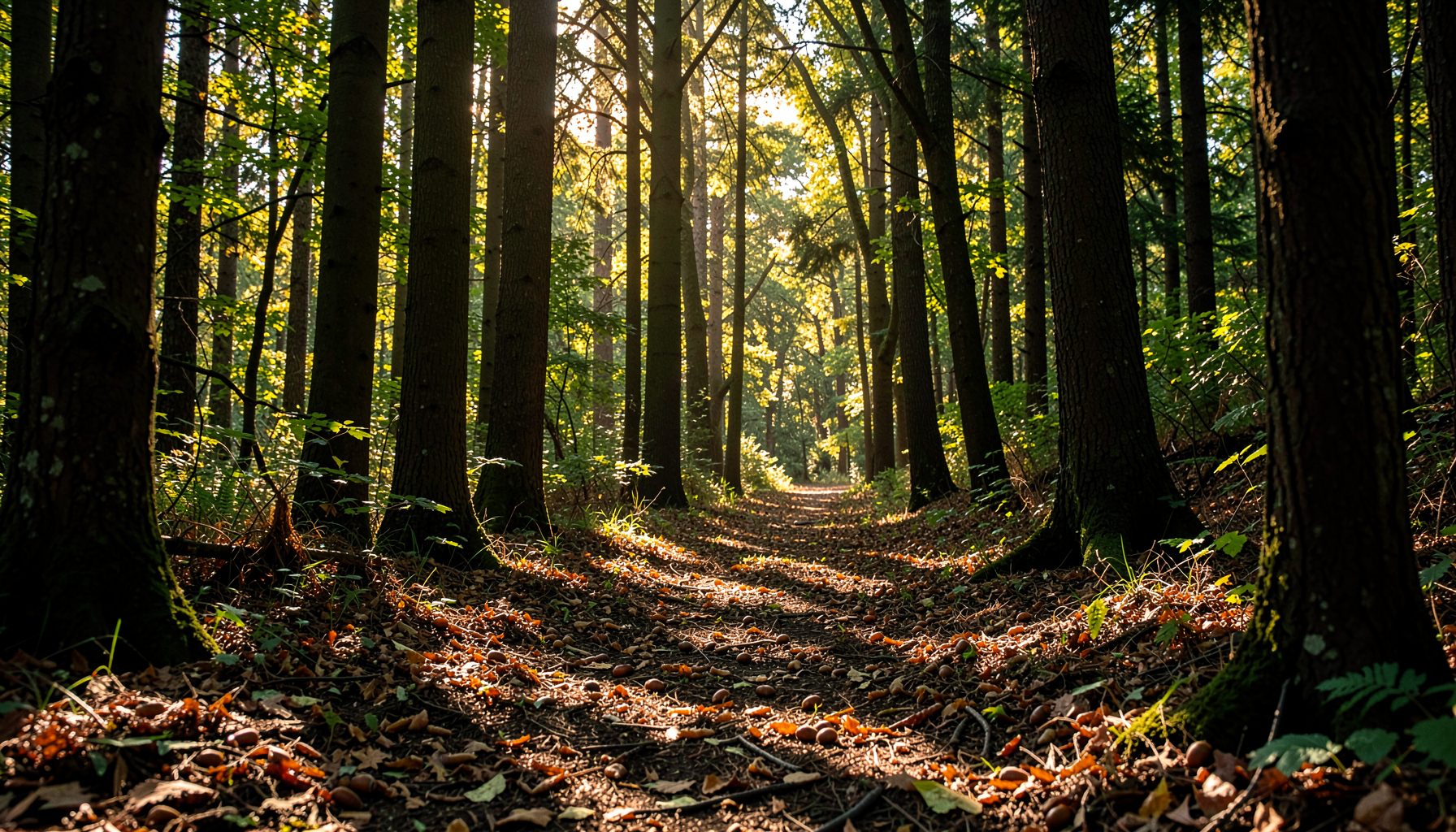
Seed development starts long before a volunteer picks up an acorn or walnut. Trees flower, receive pollen, and produce fruit or nuts that mature through spring and summer. By autumn, many native hardwoods are releasing seeds at different times, depending on the species, rainfall, temperature, and exposure to sunlight.
An acorn may fall directly from an oak canopy, roll into a shallow depression, or be moved by a squirrel that forgets where it buried the nut. Walnuts can land on open ground, wash into a low area, or travel along a woodland edge. Native shrubs may produce berries, pods, or small dry fruits that distribute seed through birds, mammals, wind, and gravity.
The forest floor is both a nursery and a testing ground. Leaf litter protects seeds from drying, while soil moisture encourages germination. Fungi, insects, rodents, and changing temperatures affect which seeds survive. Some are eaten, damaged, or buried too deeply. Others find the combination of moisture, oxygen, and seasonal temperature that allows a root to emerge.
Reading the forest before collecting
Responsible seed collection begins with observation. Volunteers need to recognize the parent plant, understand when its fruit is mature, and avoid gathering from trees that appear diseased or stressed. Learning the shape, bark, leaves, twigs, nuts, and fruit of native species makes identification more reliable when seeds are scattered across leaf litter.
Collectors typically choose sound, mature seed from healthy plants and leave enough behind for wildlife and natural regeneration. A forest is not a warehouse of unlimited supplies. Squirrels, deer, birds, and other animals depend on mast and fruit, so thoughtful collection takes only a portion of what is available and avoids stripping a single tree or small patch.
Local origin matters as well. Seeds collected within or near the watershed are often better suited to regional soils, seasonal conditions, and familiar ecological relationships. This does not guarantee that every seed will thrive, but it supports restoration with plant material connected to the landscape where it will eventually grow.
Careful handling protects future seedlings
Once collected, seeds need attention. Volunteers remove leaves, stems, damaged shells, and other debris while keeping species and collection locations separate. Sorting helps nursery staff track what was gathered, where it came from, and how it should be stored or prepared.
Some seeds can be kept dry for a period, while others lose viability quickly or require a cold, moist period called stratification before they will germinate. Acorns, for example, are living seeds that can dry out and lose their ability to grow. Walnuts and other nuts may have different storage requirements, so accurate labeling and timely delivery are essential.
Community participation can make this process more organized and accessible. A local park, school, or neighborhood group can create a small collection point with labeled containers, simple identification guides, and a schedule for transferring seed to a partner organization. Guidance on building a community seed hub can help turn occasional collecting into a dependable local habit.
| Stage | What happens | Why it matters |
|---|---|---|
| Maturation | Native trees and shrubs produce ripe fruit, nuts, or pods | Seeds develop the energy needed for germination |
| Collection | Volunteers gather sound seed from identified plants | Local genetic material enters the restoration process |
| Cleaning and labeling | Debris and damaged seed are removed; species and location are recorded | Seeds remain traceable and easier to handle correctly |
| Storage or transport | Seed receives species-appropriate care before delivery | Viability is protected until nursery sowing |
| Nursery growth | Seeds germinate and develop into young plants | Fragile early growth receives controlled care |
| Field planting | Seedlings are planted in restoration areas | Forest cover, habitat, and watershed functions begin to recover |
The nursery gives seedlings a strong start
At a state nursery, collected seed enters a more controlled phase of its life. Staff and growers use information about species, collection date, and storage history to determine when and how to sow it. Some seeds are planted in beds, while others grow in containers that protect developing roots and make later transport easier.
Germination is a vulnerable period. The emerging root must find moisture and the first shoot must reach light, while the young plant remains susceptible to drought, disease, weeds, and temperature extremes. Nursery care provides regular watering, appropriate growing media, weed management, and protection during the earliest stages.
A seedling may spend months or more than one growing season at the nursery, depending on the species and restoration goal. During this time, its stem thickens and its root system expands. The nursery is not replacing the forest; it is giving a greater number of carefully selected native plants the opportunity to survive long enough to be returned to the landscape.
Matching plants to streamside places
Planting day is most successful when the seedling matches the site. A wet floodplain, shaded headwater, sunny field edge, and eroding streambank each present different conditions. Soil texture, drainage, deer pressure, available sunlight, flood frequency, and nearby vegetation all influence which species are appropriate.
Native shrubs are especially valuable along waterways because their roots hold soil, stems slow runoff, and dense growth creates cover for birds and small animals. Their role in reducing erosion and supporting streamside habitat is explained in this resource on native shrubs and riverbanks. Shrubs can complement larger hardwoods, filling lower layers of the plant community and helping a restoration site become structurally diverse.
Planting itself requires care. Volunteers make a hole wide enough for the roots, position the seedling at the correct depth, firm soil around it, and add protection where browsing is likely. Mulch can reduce competition and conserve moisture, but it should not touch the trunk. Follow-up watering, monitoring, invasive plant control, and replacement of failed plants are part of the seedling’s continuing story.
People carry the process forward
The life of a seed depends on a chain of attention. A child who learns to identify an oak, a family that collects walnuts during a weekend walk, a teacher who brings watershed science into a classroom, and a workplace group that helps prepare seed all contribute to the same restoration cycle.
Growing Native brings these roles together through volunteer opportunities for individuals, families, schools, community groups, and workplaces. Its broader work includes native seed collection, environmental education, and support for forest and watershed restoration. Information about the program’s mission and participation options is available through Growing Native’s work.
Participation also builds practical knowledge. Volunteers begin to notice which trees fruit heavily, where water moves after rain, how streambanks change, and which plants belong in a healthy woodland. That awareness can influence choices far beyond a single collection event, from protecting mature trees to caring for young plantings and reducing the spread of invasive species.
Ways to support the seed cycle
A successful collection effort benefits from preparation, consistency, and respect for the ecosystem. The following practices help volunteers make their contribution useful to nurseries and safe for the forest:
- Learn to identify the target tree or shrub before collecting, using several features rather than a single leaf or nut.
- Gather only mature, healthy seed and leave an ample share for wildlife and natural regeneration.
- Keep each collection labeled with the species, location, date, and collector’s name.
- Protect seed from heat, crushing, and unnecessary drying, then deliver it according to program guidance.
- Continue supporting the process through nursery visits, educational events, planting days, and follow-up care.
These actions turn a brief walk through the woods into a meaningful conservation practice. They also make restoration more transparent: people can see where the planting material came from, how it was raised, and why it belongs in a particular watershed setting.
A single seed may never become a mature tree. Some will fail to germinate, and some seedlings will be lost to drought, flooding, insects, wildlife, or competition. Restoration is measured across many seeds and many seasons. When enough native plants establish, their combined roots, leaves, stems, and fallen litter begin to rebuild the functions of a living forest.
The next time autumn seed gathers beneath a canopy, look closely at the quiet work taking place. Collecting with care, supporting nursery growth, and joining a planting event can help carry that work into the future. Visit Growing Native to learn about current volunteer opportunities and take part in restoring forests and waterways across the Potomac River watershed.