The Economic Value of Healthy Watershed Forests
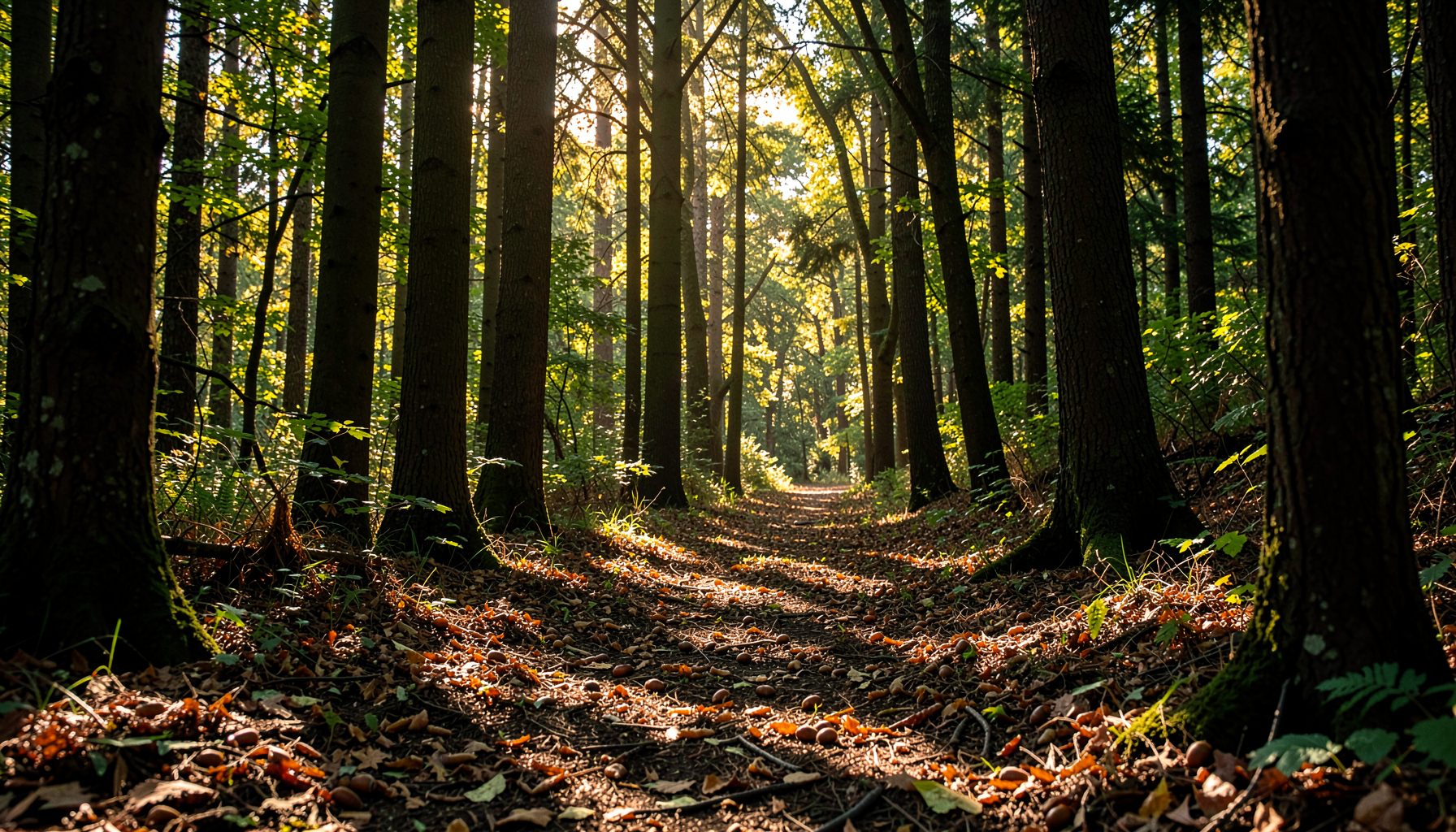
Healthy forests along rivers and streams are environmental assets with measurable economic value. In the Potomac River watershed, wooded hillsides, floodplains, and streamside buffers help communities manage water, protect infrastructure, support farms, and sustain wildlife. Their benefits often appear in avoided costs rather than on a municipal balance sheet, but they are essential to local prosperity.
A watershed forest works as living infrastructure. Tree roots hold soil in place, leaf litter slows rainfall, and layers of vegetation filter pollutants before they reach a creek. These natural processes reduce pressure on treatment plants, roads, drainage systems, and private property.
The value of this work grows over time. A seed gathered today may become a native hardwood that shades a stream decades later, strengthens a riverbank, and provides habitat for generations. Investing in forest restoration is therefore a practical economic strategy as well as a conservation priority.
Forests Reduce Flood And Erosion Costs
During heavy rain, forest soils absorb and store water more effectively than compacted ground or exposed fields. Tree canopies intercept precipitation, while roots create channels that allow water to move into the soil. This slows the speed and volume of runoff entering streams, helping reduce sudden rises in water levels.
The protection is especially important in communities near narrow valleys and low-lying floodplains. Slower runoff can reduce damage to bridges, culverts, roads, buildings, and agricultural land. Streamside trees also reinforce banks, limiting the loss of productive soil and reducing the sediment that can fill channels and drainage infrastructure.
Replacing these natural functions with engineered solutions can be expensive. Detention basins, reinforced banks, stormwater pipes, and flood-control structures require construction, maintenance, and eventual replacement. Forest conservation does not eliminate flood risk, but it helps provide a cost-effective layer of protection across an entire watershed.
Cleaner Water Supports Stronger Communities
Forest cover improves water quality by capturing nutrients, sediment, and some pollutants before they enter streams. Leaf litter and healthy soils support microorganisms that process organic matter, while roots stabilize stream margins. Shaded water is generally cooler, creating better conditions for aquatic organisms and reducing stress on sensitive species.
Cleaner source water can lower the burden on drinking-water utilities. When reservoirs and rivers receive less sediment and contamination, treatment systems may use less energy and fewer chemicals. The savings can benefit ratepayers, while reliable water quality supports households, schools, hospitals, and businesses.
Water quality also influences recreation and tourism. Clear streams and attractive rivers encourage fishing, paddling, hiking, birdwatching, and nature-based travel. Visitors spend money on lodging, food, equipment, transportation, and local services. A healthy watershed can therefore support a broad economic network far beyond the forest itself.
Native Trees Build Long-Term Ecological Assets
Native hardwoods and shrubs are adapted to regional soils, seasons, insects, and wildlife relationships. When planted in suitable locations, they can form durable forest communities that require less intensive intervention than poorly matched species. Their roots stabilize soils, their flowers and fruits feed wildlife, and their structures create layers of habitat.
Seed collection connects restoration with local ecological knowledge. Volunteers who learn to identify acorns, walnuts, hickory nuts, and other native seeds contribute to a supply of locally appropriate plant material. A day collecting walnuts shows how hands-on participation can link seasonal fieldwork with the larger process of restoring streamside forests.
This approach also preserves genetic diversity within the region. Trees grown from locally collected seed may be better suited to local conditions than plants sourced from distant environments. Over time, diverse native plantings can make forest restoration more resilient to drought, pests, disease, and changing weather patterns.
| Watershed forest benefit | Economic value created | Who benefits |
|---|---|---|
| Floodwater storage | Lower damage and infrastructure repair costs | Homeowners, municipalities, businesses |
| Erosion control | Less soil loss and sediment removal | Farmers, road agencies, utilities |
| Water filtration | Reduced treatment and maintenance demands | Water customers and providers |
| Shade and cooling | Lower heat stress and energy demand | Residents, schools, employers |
| Wildlife habitat | Stronger recreation and tourism economy | Guides, outfitters, local businesses |
| Native seed supply | More durable and locally suited restoration | Nurseries, landowners, conservation groups |
Restoration Creates Local Work And Skills
Forest restoration generates economic activity through planning, nursery production, site preparation, planting, monitoring, and long-term maintenance. These tasks may involve conservation professionals, landscapers, educators, foresters, contractors, and seasonal workers. Volunteer programs add value by expanding the reach of restoration while giving residents practical environmental skills.
Schools, workplaces, families, and community groups can take part in seed collection and watershed education through the Growing Native program. Participants learn tree identification, forest ecology, and the relationship between land management and clean water. These experiences help build a workforce and a civic culture capable of supporting conservation projects over the long term.
The educational return is significant. Students who understand how watersheds function may become future scientists, planners, land managers, engineers, teachers, or informed property owners. Employees who volunteer together can strengthen workplace relationships while contributing to a visible community benefit. Local participation also makes restoration more durable because residents are more likely to support protective policies and care for planted areas.
Forest Benefits Compound Over Time
The financial value of a restored forest is rarely captured in the year seeds are collected or seedlings are planted. Benefits accumulate as trees grow. A young planting may first provide modest erosion control, then gradually deliver shade, wildlife habitat, carbon storage, improved soil structure, and stronger bank stability.
This long time horizon makes early action important. Delaying restoration can allow invasive plants, severe erosion, or repeated flooding to increase future costs. Protecting existing forests is often especially valuable because mature trees already provide canopy, deep roots, complex habitat, and established soil systems.
Seasonal timing also affects restoration success. Volunteers can use guidance on hickory nut timing to collect viable seed when it is available. Careful collection, storage, and delivery improve the likelihood that natural resources become healthy seedlings rather than wasted potential.
Measuring Returns Beyond A Price Tag
Economic analysis can estimate some watershed services, such as avoided flood damage, reduced water treatment expenses, increased property appeal, and recreation spending. Other benefits are harder to price but still meaningful. These include mental health, scenic character, biodiversity, cultural identity, and the security of knowing that communities have healthier natural systems.
Property values often reflect access to attractive, well-maintained green space and clean waterways. Businesses may also consider environmental quality when choosing locations, recruiting workers, or building a reputation within a community. A river corridor with mature trees and stable banks can make an area more appealing for residents, visitors, and employers.
The strongest evaluations combine financial data with ecological indicators. Useful measures include acres of forest protected or restored, seed collected, seedlings planted, stream temperature, bank stability, water clarity, and participation rates. Tracking these outcomes helps organizations demonstrate that conservation spending produces tangible public benefits.
Practical Ways To Strengthen Watershed Value
Communities can increase the return on forest restoration by connecting projects to existing priorities, including flood resilience, drinking-water protection, recreation, education, and climate adaptation. A coordinated approach prevents isolated plantings from becoming disconnected patches and focuses resources where forests can protect streams and vulnerable infrastructure.
Landowners and local organizations can support this work through several practical actions:
- Protect existing streamside forest before investing in more costly restoration.
- Collect and share native seeds through responsible, locally focused programs.
- Plant diverse native trees and shrubs suited to site conditions.
- Keep livestock, heavy equipment, and unnecessary clearing away from stream buffers.
- Monitor restored areas for erosion, invasive species, tree survival, and canopy growth.
These actions are most effective when paired with clear guidance and long-term care. A seed collection event, for example, becomes more valuable when the seed reaches a nursery, grows into a healthy plant, and is eventually established in a location where it can protect water and soil.
A Shared Investment In The Potomac Watershed
Healthy watershed forests distribute benefits across property lines and political boundaries. An upstream forest can improve water conditions for downstream communities. A restored streambank can protect a road, a farm, a drinking-water source, and a wildlife corridor at the same time. This shared value makes collaboration essential.
Volunteering is one direct way to contribute. Seed collection requires no specialized career background, yet it supports the early stage of a restoration system that includes nurseries, conservation groups, landowners, and public agencies. By participating, residents help turn seasonal natural abundance into future forest cover.
Explore the resources and volunteer opportunities offered by Growing Native, then choose a way to support native seed collection, watershed education, or forest restoration in your community. Each contribution helps build cleaner water, stronger streambanks, healthier habitats, and a more resilient local economy.