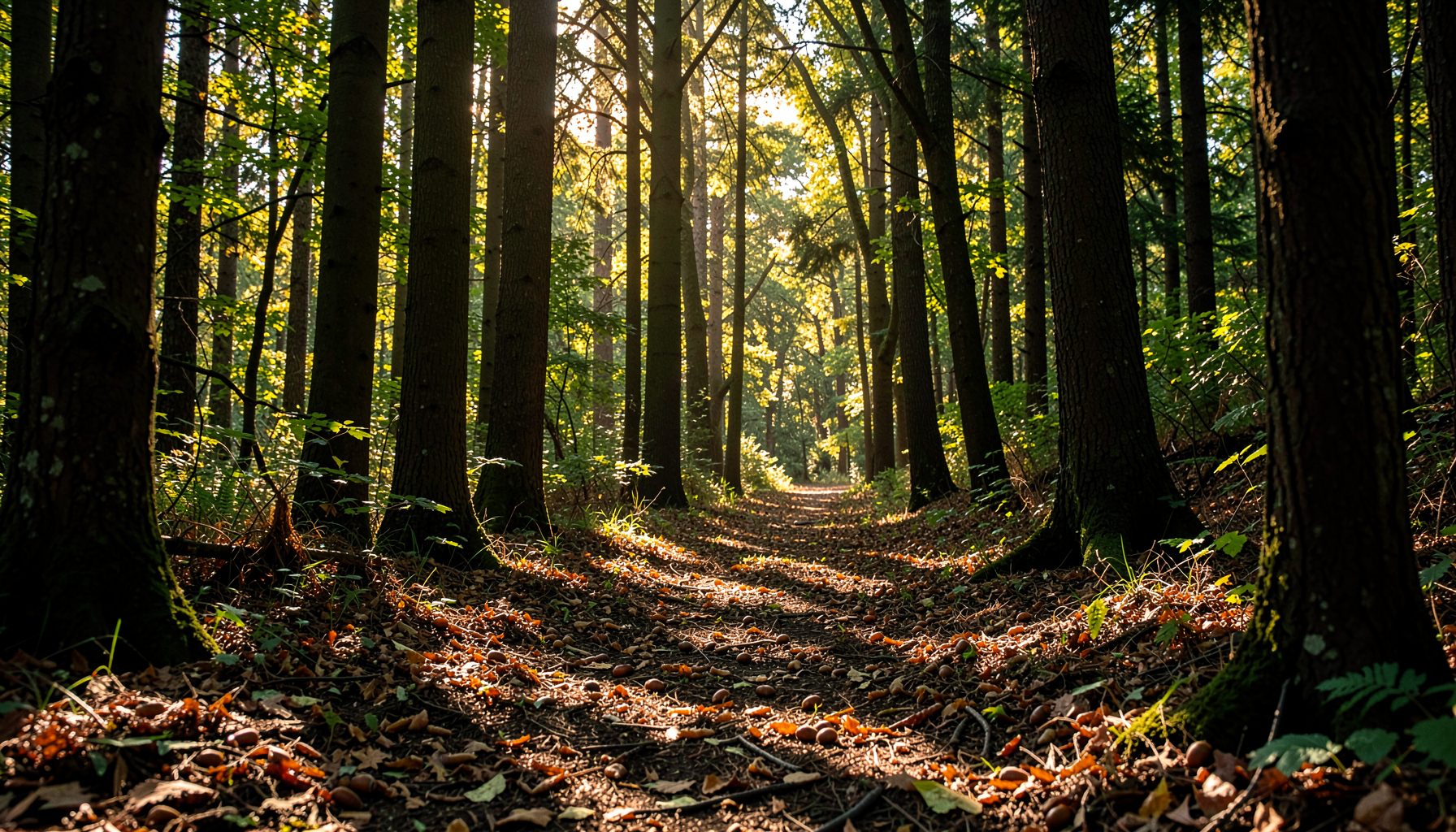
A Day Collecting Walnuts Along the Rappahannock
Before sunrise, the Rappahannock River corridor is quiet except for water moving over gravel, wind passing through branches, and the occasional call of a bird. Soon, that calm gives way to the practical rhythm of a volunteer seed-collection day: boots on a trail, bags opening, walnuts rolling across the ground, and people comparing notes about trees.
For Growing Native volunteers, gathering native hardwood seed is a direct way to support forest restoration across the Potomac River watershed and neighboring landscapes. Each sound walnut may eventually become a streamside seedling, helping stabilize soil, shade waterways, and strengthen the network of forests that protects clean water.
The work is simple to understand but rich in purpose. A few hours beneath mature walnut trees connect seasonal observation, hands-on conservation, and the long future of a watershed. The collection itself is only one step in a process that continues at nurseries and, later, on restoration sites.
Before Boots Hit The Trail
A successful collection day begins with preparation. Volunteers dress for uneven ground and changing weather, bringing sturdy shoes, water, gloves, and clothing suited to brush, mud, and fallen leaves. The group also receives guidance about where to walk, which nuts to gather, and how to avoid damaging trees or disturbing wildlife.
Walnuts are collected from the ground rather than stripped from branches. Freshly fallen nuts are easier to find when volunteers look beneath the tree canopy, along the edge of a floodplain, and near low areas where wind and rain have carried them. A good search requires patience because walnuts can blend into leaf litter, sticks, and dark soil.
The first few minutes often involve learning the landscape. Volunteers look for the distinctive compound leaves and rough bark of walnut trees, examine the shape and condition of fallen nuts, and notice how the river corridor changes from upland woods to wetter ground. These observations turn a routine walk into a practical lesson in forest ecology.
Reading The River Corridor
The Rappahannock’s wooded edges provide more than attractive scenery. Streamside forests filter runoff, hold riverbanks in place, moderate water temperature, and create habitat for insects, birds, mammals, and aquatic life. When volunteers collect seed from healthy native trees, they help preserve the genetic and ecological potential of forests adapted to the region.
A day in the field also makes watershed connections visible. Bare soil near a path, exposed roots along a bank, and sediment gathered in a shallow channel show how quickly land conditions can affect water quality. Mature trees reduce some of these pressures, while new plantings can reinforce areas where forests have been cleared, fragmented, or weakened.
The collection team moves carefully through this living system. Volunteers avoid trampling young plants, leave enough food for wildlife, and follow site-specific instructions about access. Conservation is measured in bags of seed, but it is also expressed through the attention people give to the places they enter.
The Work Beneath Walnut Trees
The most rewarding part of the day can look almost ordinary. One person spots a walnut beneath the leaves, another checks its shell for cracks, and a third places it into a collection bag. Conversation shifts between tree identification, memories of family walks, and the surprising weight of a full sack.
Quality matters. Volunteers generally select mature, sound nuts and set aside those that are moldy, severely damaged, or too light. Sorting in the field reduces waste later and helps ensure that collected seed is suitable for nursery production. The goal is not to gather everything on the ground, but to gather thoughtfully.
Children can take part when activities are matched to their age and supervised closely. They may search for fallen nuts, compare textures, or help count collections. Schools, workplaces, families, and community groups can all turn the experience into a shared service project that combines outdoor learning with measurable environmental work.
The day also encourages a different pace. Searching under trees rewards close attention rather than speed. A volunteer may notice a squirrel’s feeding marks, a patch of native shrubs, or the way water has shaped the soil. Those details help people understand that restoration begins with knowing what is already present.
From Field Bag To Future Forest
After collection, the walnuts are handled according to program and nursery requirements. They may be counted, labeled by location or collection group, and transported for processing. At a state nursery, suitable seed can be prepared, stratified, and planted so it has the conditions needed to germinate and develop into a healthy seedling.
The path from one walnut to a restored streamside forest is long, but each stage has a clear role. Volunteers supply locally collected material. Nursery staff raise vigorous trees. Restoration partners identify appropriate planting sites. Later, land managers and community members help protect young trees as they establish.
| Stage of the effort | What happens | Why it matters |
|---|---|---|
| Tree observation | Volunteers identify walnut trees and assess the collection area | Seed is gathered from suitable native sources |
| Field collection | Sound, mature walnuts are picked from the ground | Healthy seed supports reliable nursery production |
| Sorting and handling | Nuts are checked, counted, and prepared for delivery | Careful handling improves the chance of successful germination |
| Nursery growing | Seed is raised into young hardwood trees | Small seeds become planting stock for restoration |
| Streamside planting | Seedlings are placed in appropriate watershed sites | Trees help reduce erosion, filter runoff, and provide habitat |
| Long-term care | Plantings are monitored and protected | Established forests deliver benefits for decades |
That timeline gives the volunteer experience a useful perspective. The bag carried out of the woods is not the finished product. It is an early contribution to a chain of stewardship that links a seasonal harvest with cleaner water, healthier soil, and more resilient forest habitat.
Learning In The Field
A collection day can be especially valuable for people who are still learning native tree identification. Walnut trees offer recognizable features, but field conditions are rarely as neat as illustrations. Leaves may be partially fallen, bark can vary with age, and nuts may be hidden beneath several layers of debris.
Growing Native’s tree identification guide gives volunteers a helpful reference before heading outdoors. Reviewing leaf arrangement, bark patterns, fruit, and overall form makes it easier to distinguish walnut from other hardwoods and encourages participants to keep observing after the event.
The educational value extends beyond naming species. Volunteers learn why native trees are selected for restoration, how seed collection supports regional nurseries, and why planting the right tree in the right place matters. A floodplain, a steep bank, and a dry upland slope may all require different approaches.
The experience can also build confidence. Someone who begins the morning unsure how to recognize a walnut may finish by identifying several trees, explaining their role in a riparian buffer, and showing another participant how to inspect a fallen nut. Knowledge spreads naturally when people learn together.
Turning A Few Hours Into Stewardship
Volunteer seed collection is a modest action with a broad reach. It supports reforestation while giving people a personal relationship with the forests and waterways they want to protect. The work is practical, seasonal, and accessible, which makes it a strong entry point for ongoing environmental involvement.
Participants can make the day safer and more productive by following a few simple practices:
- Wear sturdy footwear and clothing that protects against brush, insects, and changing weather.
- Bring water and follow all collection, access, and wildlife guidance from event leaders.
- Gather only the requested native seed and leave damaged material, young plants, and wildlife resources undisturbed.
- Keep nuts from different locations organized when labels or separate bags are provided.
- Take time to observe the site and share questions about trees, soil, erosion, and water quality.
These habits reflect the larger principles of restoration: careful planning, respect for living systems, and consistency over time. A single volunteer may collect only a portion of a day’s seed, but many participants working across a season can supply a meaningful number of trees for future planting.
For teachers and group leaders, the activity can become a field-based lesson in biology, geography, and civic responsibility. Growing Native provides educational materials that can help connect outdoor service with classroom discussions about forest ecology and watershed health.
Join The Next Collection Day
A walnut collection day leaves volunteers with muddy shoes, fuller bags, and a clearer sense of how restoration begins. The work takes place close to the ground, but its benefits reach outward: roots can slow erosion, forest cover can improve stream conditions, and native trees can create habitat long after the people who collected the seed have moved on.
Growing Native welcomes individuals, families, schools, community groups, and workplaces that want to take part in practical conservation. Sign up for a seasonal volunteer opportunity, gather a group, and spend a day learning the river corridor one tree and one walnut at a time. Your hands can help carry the next generation of streamside forests toward the places that need them.