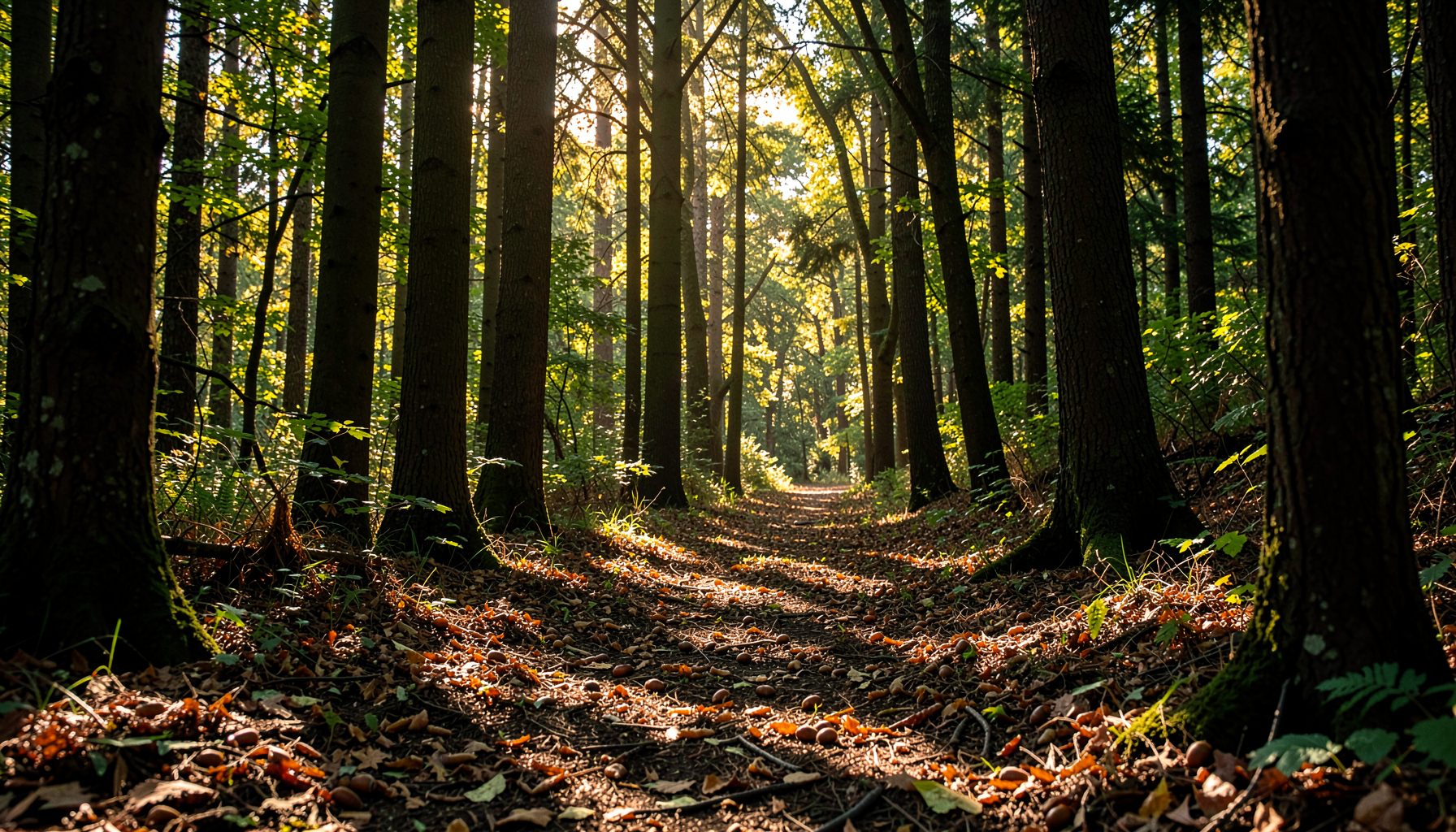
When hickory nuts are ready for collection
Hickory nuts usually mature during the transition from summer into autumn, but the precise harvest window depends on species, weather, elevation, and local growing conditions. In much of the Mid-Atlantic, collectors often begin finding ripe nuts in September and continue through October, with some trees dropping usable seed into early November.
The best time to collect is not determined by the calendar alone. A nut is most useful for propagation when it has matured naturally, separated from the tree, and remains firm and healthy. Watching the tree and the ground beneath it is more reliable than choosing a single date each year.
For conservation programs, hickory nuts can become future forest trees, streamside plantings, and habitat for wildlife. Careful collection helps ensure that more of the gathered seed reaches a nursery or restoration project in good condition.
The seasonal window for hickory nuts
Hickory fruit develops inside a thick green or brown husk. As autumn approaches, the husk changes color, dries, and begins to split or loosen. Mature nuts may fall individually, or the entire husked fruit may drop from the canopy. This natural drop is the clearest sign that collection season has begun.
In a typical year, early-ripening hickories may produce collectable nuts in late August or September. Many common species reach peak drop in September and October, while trees in cooler upland locations may mature later. A warm, dry growing season can move the schedule forward; a cool or wet season can delay it.
Repeated visits are more productive than a single large harvest. Check promising trees every few days once the first mature fruit appears. Freshly fallen nuts are less likely to have been damaged by insects, wildlife, fungi, or prolonged contact with damp soil.
How to tell a nut is ready
Look first for husks that have turned from bright green to tan, brown, or yellow-brown. Depending on the species, the husk may split into sections, peel back from the nut, or loosen enough for the nut to come free with gentle handling. Nuts that remain tightly enclosed in soft, vivid green husks may still need time.
A mature hickory nut generally feels heavy for its size and has a solid shell without soft spots, leaking areas, or a sour odor. Avoid nuts with visible mold, deep cracks, insect exit holes, or extensive gnawing. A small amount of surface staining is not always a problem, but any sign of decay lowers the chance of successful germination.
The ground around a healthy tree can provide useful clues. If many husks and nuts are present beneath the canopy, the main drop may be underway. Collect from clean leaf litter or a dry surface rather than mud, standing water, or areas treated with herbicides. Do not strip every nut from a tree; wildlife depends on hickory mast for food.
Timing shifts by species and site
Hickory is a broad group that includes shagbark, pignut, mockernut, bitternut, shellbark, and other native species. Their nuts differ in size, husk texture, flavor, and maturation period. Shagbark hickory often drops conspicuous, large nuts in early to mid-autumn, while pignut and mockernut hickories may vary noticeably from one site to another.
Tree age and health also affect the harvest. A mature tree in full sun may produce earlier and more heavily than a shaded tree on a steep slope. South-facing sites often warm sooner, while valley bottoms, north-facing hillsides, and higher elevations may remain on a later schedule. Drought, late frost, storms, and insect pressure can reduce the crop or change when nuts fall.
Use observations from several nearby trees instead of relying on one specimen. Recording the species, location, first drop, peak drop, and final collection date can reveal useful patterns over time. This simple field record supports better planning for future seed-gathering seasons and helps distinguish a normal delay from a poor crop.
| Field sign | What it usually indicates | Recommended response |
|---|---|---|
| Green husks remain tightly closed | Fruit may be immature | Wait and check again |
| Husks are brown or splitting | Maturity is approaching or underway | Begin frequent visits |
| Firm nuts lie beneath the canopy | Active collection window | Gather promptly |
| Soft, light, or leaking nuts | Damage, drying, or decay | Leave them out |
| Many empty husks or gnawed shells | Wildlife has already used the crop | Move to another tree or site |
| A strong sour or musty smell | Possible fungal deterioration | Do not include in seed lots |
Collecting and storing viable nuts
Before collecting, identify the tree as accurately as possible. Hickory species can be difficult to separate, especially when leaves or husks are incomplete, so use a regional tree guide or ask an experienced naturalist for assistance. Follow landowner permission requirements, avoid roadsides with heavy contamination, and confirm whether the receiving nursery accepts hickory seed.
Wear gloves when handling husks, which can be rough and stain skin. Gather nuts by hand or with a small rake, then remove leaves, twigs, and obviously damaged fruit. Keep different species and collection locations in separate bags or breathable containers, and label each group with the date and site. Traceable information makes the seed more valuable for restoration work.
Fresh hickory nuts should not be sealed while wet. Spread them in a thin layer in a cool, shaded, well-ventilated place for short-term surface drying. Do not bake, roast, or expose them to strong heat, because hickory seeds are living material and excessive drying can reduce viability.
Hickory seeds usually require a period of cold, moist conditions before they germinate. For that reason, they may need careful refrigerated storage or prompt delivery according to nursery instructions. Avoid storing them beside fruits or vegetables that produce strong odors, and check periodically for mold. The receiving organization’s handling protocol should take priority over general home-gardening advice.
Why hickory seeds matter beyond the forest
Hickory trees contribute deep roots, durable wood, wildlife food, and layered habitat in eastern forests. Their nuts support squirrels, deer, turkey, black bear, and many smaller animals. A healthy mix of mature trees and young seedlings also strengthens forest regeneration after storms, pests, or land-use changes.
When hickories grow near streams, their roots help hold soil in place and improve the structure of the streamside corridor. Native woody vegetation slows runoff, captures sediment, and supports cleaner water as rain moves toward creeks and rivers. The role of native hardwoods in this process is explained in how trees filter stormwater, which connects individual trees with broader watershed health.
Hickory seedlings are especially valuable when they are grown from locally collected seed and planted in suitable conditions. Local genetic material may be better matched to regional seasons, soils, and moisture patterns, although every restoration project should follow its own sourcing guidelines. A single collection day will not transform a watershed, but repeated efforts can add native diversity to the pipeline from forest floor to restoration site.
Collection should always leave room for natural regeneration. Take a modest share from abundant trees, spread gathering across multiple individuals, and avoid collecting from trees that appear stressed or isolated. Conservation is stronger when seed collection supports wildlife and future forests at the same time.
Make a collection day useful
A well-organized nut collection event can turn a seasonal walk into practical environmental education. Participants can learn to recognize hickory leaves, bark, husks, and nuts while discussing forest succession, wildlife food webs, and the connection between upland trees and stream health. Schools, families, workplaces, and community groups can all participate at an appropriate scale.
Preparation matters more than speed. Choose sites with permission, set a clear collection period, provide containers and labels, and arrange delivery before the event begins. A short briefing should cover safe handling, respectful collection, species identification, and the difference between mature seed and damaged fruit. Guidance from a seed collection event guide can help groups build a reliable process.
A practical collection checklist
- Visit likely hickory trees repeatedly from late summer through autumn, noting when husks split and fresh nuts begin to fall.
- Bring gloves, breathable bags or buckets, permanent markers, field notes, and a local tree-identification guide.
- Collect firm, mature nuts from several healthy trees, while leaving a meaningful share for wildlife and natural seeding.
- Label every batch with species, date, location, and collector, then keep seed cool, shaded, and dry on the surface.
- Contact the receiving nursery promptly so its storage, delivery, and acceptance requirements are followed.
The most productive timing is therefore a short period observed in the field rather than a fixed date printed on a calendar. Begin watching when husks start to change, collect during the main natural drop, and stop when most remaining fruit is damaged, empty, or past its best condition.
Find a suitable hickory site, secure permission, and organize a careful collection this season. Each sound nut placed into a restoration program can become part of a future forest, a stronger streambank, and a healthier Potomac watershed.