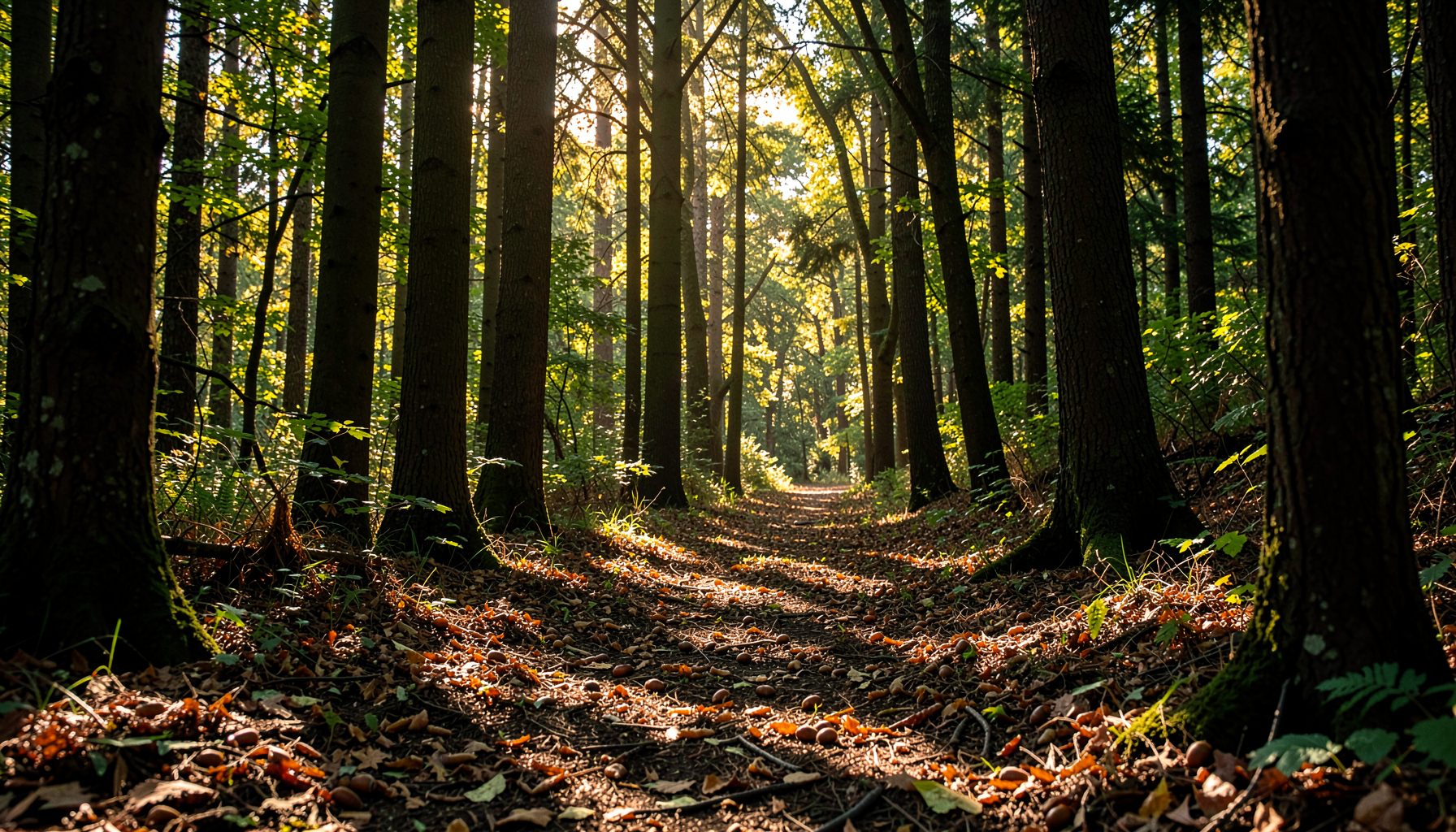
How Streamside Trees Shape Healthy Fish Populations
The connection between streamside trees and fish populations is easy to underestimate. A narrow band of vegetation beside a creek can change water temperature, food availability, bank stability and the amount of shelter available to young fish. These effects accumulate across a catchment, so a planted reach can contribute to healthier habitat far beyond the trees themselves.
Growing Native applies this principle across the Potomac River watershed by helping volunteers collect native hardwood and shrub seeds for state nurseries. The resulting seedlings support stream restoration, erosion control and cleaner water. For an Australian audience, the same ideas are familiar through Landcare and council Bushcare projects, whether the setting is a Melbourne creek, a Brisbane waterway or a farm channel feeding the Murray-Darling system.
How Riparian Vegetation Supports Fish
Trees beside a stream form a living temperature-control system. Their canopy shades the water during hot weather, limiting solar heating and helping maintain the cooler conditions many freshwater species need. Stable temperatures also support aquatic insects and other small organisms that become food for fish.
Branches, leaves and bark add structure above and within the channel. Fallen limbs can create pools, eddies and protected edges where juvenile fish avoid strong currents and predators. Overhanging vegetation gives fish cover from birds, while submerged roots and woody debris create complex habitat that a bare, straightened bank cannot provide.
The value of shade varies by region and species. In an Australian creek, dense vegetation may benefit Australian bass or native galaxias, while Murray cod need a combination of deep water, woody habitat and reliable flows. Eucalypts, paperbarks, casuarinas and melaleucas may perform the local riparian role that oaks, walnuts and other hardwoods perform along Potomac tributaries. The right plant is determined by local ecology, not by appearance alone.
Shade Food And Shelter Along The Bank
Streamside trees influence fish populations through the food web as well as through physical cover. Leaves fall into the water and feed fungi, bacteria and aquatic invertebrates. Insects living in the canopy also drop onto the surface, providing seasonal food for fish. A diverse bank therefore supplies both habitat and energy.
Healthy vegetation creates several layers: groundcover, shrubs, young trees and mature canopy. Each layer contributes different benefits, from slowing runoff to shading the channel. When a flood removes a branch or topples a tree, that material can become a valuable instream refuge if it does not create an unsafe blockage or threaten infrastructure.
Useful features of a fish-friendly stream margin include:
- A continuous canopy that reduces extreme summer water temperatures
- Native shrubs and grasses that provide low cover for juvenile fish
- Fallen timber positioned naturally along pools and channel margins
- Leaf litter and insect habitat that support aquatic food chains
- A mixture of young and mature plants for long-term resilience
A cleared bank often produces the opposite pattern. Sunlight encourages excessive aquatic plant or algae growth, while simplified edges give fish fewer places to rest and hide. Warm water can also hold less dissolved oxygen, placing additional pressure on fish during droughts or heatwaves. In Brisbane, where intense summer storms can follow long hot periods, a vegetated margin must cope with both thermal stress and sudden high flows.
Roots Hold Banks And Improve Water Quality
Roots bind soil particles and reinforce the bank, reducing the amount of sediment washed into the channel. This matters because fine sediment can smother gravel used for fish spawning, fill deep pools and clog the spaces where aquatic insects live. During a storm, a well-rooted bank usually sheds less soil than a bare slope.
Vegetation also slows surface runoff. Leaves and stems interrupt rainfall, while leaf litter and root channels help water soak into the ground. This reduces the speed at which pollutants, nutrients and sediment reach the stream. Cleaner water gives fish better gill function and improves the conditions required by aquatic insects, mussels and other organisms.
The process begins long before planting day. Seed collection preserves genetic material suited to a particular region, and the movement from forest floor to nursery determines whether that material becomes a strong, healthy seedling. Volunteers can follow the seed’s journey to understand why careful collection, handling and propagation are essential parts of restoration.
Riparian planting cannot repair every water-quality problem. Fish also need suitable flows, passage around barriers, connected habitat and protection from toxic discharges. Even so, a vegetated buffer is a practical first defence. It links land management with aquatic recovery and can deliver benefits on farms, urban reserves and public waterways.
Choosing Species For A Living Stream Edge
Restoration succeeds when plants match the site. Soil type, flood frequency, bank height, salinity, rainfall and existing vegetation all influence which species will survive. A plant that thrives beside a slow lowland creek may fail on a gravelly upland stream or in a regularly flooded channel.
Local provenance is important because seedlings raised from nearby seed may be better adapted to local seasons and conditions. It also protects regional genetic diversity. Australian councils and native plant nurseries increasingly look for provenance-grown stock, while community groups often combine planting days with monitoring, weed removal and a Saturday morning working bee. These practices make restoration a continuing form of stewardship rather than a single event.
Species selection must also consider possible ecological harm. Some plants may stabilise soil quickly but spread into sensitive habitats or alter the structure of a native plant community. The discussion of black locust guidance shows why a tree’s short-term usefulness should be weighed against its behaviour in riparian zones. The principle applies broadly: restoration should favour species that support local biodiversity without creating a new management problem.
For Australian waterways, that may mean choosing locally appropriate sedges, lomandras, rushes, shrubs and canopy trees rather than copying a planting list from another continent. Near Sydney, a creek restoration may require species suited to sandstone soils and urban runoff. Around Melbourne, plantings may need to withstand dry summers and altered flows. Along northern rivers, flood tolerance and rapid recovery can be especially important.
Turning Volunteer Effort Into Fish Habitat
A volunteer seed collection can appear small: a group gathers acorns, walnuts or shrub seed, records the location and delivers the material for propagation. Its effect expands through the nursery system. One successful collection can produce many seedlings, and those seedlings can be planted along multiple reaches over several seasons.
Growing Native offers opportunities for individuals, families, schools, community groups and workplaces. The work suits people who enjoy identifying trees, collecting seed, learning about forest ecology or taking part in practical conservation. Educational resources help new volunteers understand how forests, streams and watersheds function together, as explained in this forest ecology primer.
A well-organised restoration project usually combines planting with follow-up care. Young trees need protection from browsing, competition from weeds and drought stress. Monitoring can record survival, canopy development, bank condition, water clarity, stream temperature and signs of fish activity. These observations show whether the project is building a functioning habitat corridor rather than simply increasing the number of planted stems.
Practical actions that connect seed work with aquatic recovery include:
- Collecting only mature seed from healthy, appropriate native trees
- Recording collection locations and keeping seed lots separate
- Planting several vegetation layers rather than a single tree row
- Protecting new seedlings during drought, floods and browsing
- Revisiting sites to measure shade, bank stability and habitat change
The same approach can strengthen Australian conservation networks. A school group in Melbourne might compare creek temperature before and after canopy growth. A workplace near Sydney could support a local Bushcare reserve, while a community beside a Queensland river could pair planting with fish surveys after the wet season. Native plant nurseries, catchment groups and councils all benefit when volunteers understand the ecological purpose behind each task.
Healthy fish populations are built by connected decisions across the catchment. Keeping trees beside streams protects shade, roots, food, shelter and water quality at the same time. By collecting native seed, supporting nursery production and caring for planted sites, volunteers help turn forest recovery into living fish habitat. Join Growing Native’s conservation work, learn the trees of your local watershed and take part in the patient work that keeps streams productive for future generations.