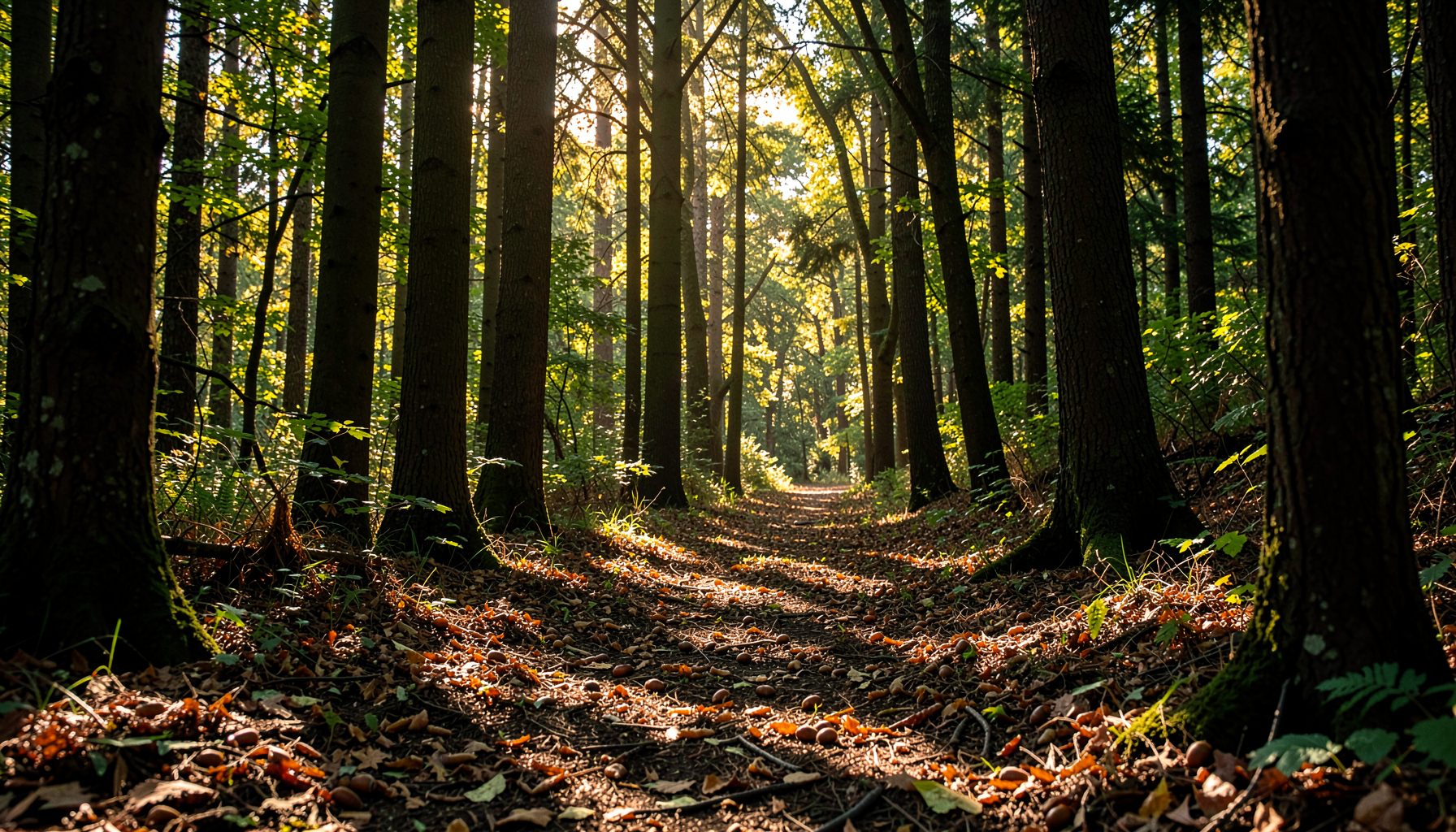
A Crash Course in Forest Ecology for New Volunteers
A forest is more than a collection of trees. It is a living network of plants, animals, fungi, soil organisms, water, sunlight, and seasonal processes. Each part influences the others, and even a small action—such as collecting an acorn—can support restoration far beyond the place where it began.
For new volunteers, basic forest ecology makes seed collecting more meaningful. It helps you recognize which trees are important, understand why timing matters, and see how healthy forests protect streams throughout the Potomac River watershed.
Growing Native connects community volunteers with a practical conservation cycle: gathering native hardwood and shrub seeds, sending them to state nurseries, and helping produce seedlings for streamside planting. The work is simple to join, yet it rests on important ecological principles.
How A Forest Functions As A Living System
An ecosystem includes living organisms and the physical conditions that support them. In a forest, trees capture sunlight through photosynthesis, roots absorb water and nutrients, fallen leaves enrich the soil, and animals move pollen and seeds. Fungi and bacteria break down dead material, returning nutrients to the system.
These relationships create a food web. Oak leaves feed caterpillars, caterpillars feed songbirds, and birds help control insect populations while spreading seeds. A fallen log becomes shelter for salamanders, beetles, and fungi. Nothing is truly wasted in a mature forest; materials move from one form of life to another.
Forest structure also matters. The canopy receives the strongest light, while the understory, shrub layer, forest floor, and soil each provide different habitats. A diverse structure supports more wildlife and tends to recover better from storms, drought, pests, and disease than a simplified stand of trees.
Why Native Trees Matter Along Streams
Streamside forests, often called riparian buffers, create a transition zone between land and water. Their roots hold stream banks together, while leaves and branches slow rainfall before it reaches the soil. This reduces erosion and helps prevent sediment from clouding waterways.
Trees also influence water temperature. Shade from a forest canopy keeps streams cooler, which benefits fish, aquatic insects, and other organisms sensitive to heat. Fallen branches and leaf litter contribute habitat and food to the stream, supporting the aquatic food web.
Native plants are especially valuable because local wildlife evolved alongside them. Native oaks, walnuts, hickories, maples, shrubs, and herbaceous plants provide familiar food and shelter. Planting the right species in the right place improves biodiversity while strengthening the watershed’s ability to filter runoff.
From Seed To Seedling
A seed contains an embryo, stored energy, and a protective covering. When conditions are suitable, it absorbs water and begins germination. The first root anchors the young plant and searches for moisture, while the shoot grows upward toward light.
A seed’s journey involves many risks. Squirrels, deer, insects, fungi, drought, flooding, and competition can prevent germination. Collecting a portion of viable native seed and growing it in a nursery gives more young trees a chance to survive the vulnerable early stages. The acorn’s journey shows how collection, processing, propagation, and planting connect.
Timing is part of the ecology. Seeds mature at different points in the season, and their condition can change quickly after falling. Volunteers should collect only the species and quantities requested by program leaders, avoid damaged or moldy material, and keep seed identified by location and species whenever possible.
Reading The Forest Before You Collect
Tree identification begins with several clues rather than a single feature. Examine leaves, bark, twigs, buds, fruit, branching patterns, and the surrounding habitat. Acorns point toward oaks, winged samaras may indicate maples or ash, and walnuts have distinctive husks and shells. Field guides and program resources can help confirm an identification.
Look at the whole site before focusing on individual seeds. Is the forest dry or damp? Is the ground compacted, disturbed, or covered with healthy leaf litter? Are mature seed-producing trees present? Do invasive vines or dense nonnative plants dominate the understory? These observations provide useful ecological context and help you collect responsibly.
Never strip one tree or one patch bare. Wildlife depends on seeds for food, and natural regeneration requires some seeds to remain where they fall. Spread collection across multiple healthy trees, leave plenty for animals and future seedlings, and follow local instructions about access, protected areas, and collection limits.
| Forest Feature | What It Tells You | Why It Matters To Volunteers |
|---|---|---|
| Mature canopy trees | The site has established seed sources | Identify healthy trees that may produce viable native seed |
| Leaf litter and fallen wood | Nutrients and habitat are being recycled | Walk carefully and avoid unnecessary disturbance |
| Streamside shade | Trees help regulate water temperature | Recognize the connection between forests and aquatic life |
| Erosion channels or bare soil | Runoff may be moving soil into the stream | Report site conditions and avoid worsening fragile areas |
| Native shrubs and young trees | Regeneration is occurring in lower layers | Protect seedlings while moving through the site |
| Invasive plant patches | Native regeneration may be suppressed | Keep seed clean and follow guidance about contaminated areas |
Practical Field Ecology For Volunteers
Good field practice begins with preparation. Wear sturdy shoes, dress for changing weather, bring water, and use gloves when handling rough husks or leaf litter. The seed collecting gear checklist can help you prepare without bringing unnecessary equipment.
Move slowly through the site. Watch for uneven ground, thorny plants, ticks, poison ivy, and low branches. Stay with your group, respect private property and posted boundaries, and use established paths when possible. Clean soil and plant fragments from footwear and containers when changing locations to reduce the spread of invasive seeds or plant diseases.
Keep collections organized. Place different species in separate bags or containers, label them with the date and location, and protect them from excessive heat. Do not mix unknown seeds with identified material. Accurate records help nurseries match the right seed to the right restoration goal.
The Watershed Connection
A watershed is an area of land that drains to a shared stream, river, or lake. Rain that falls in a forest may soak into the ground, flow across the surface, or enter a nearby tributary. Conditions upstream can affect water quality and habitat many miles downstream.
Forest restoration improves this system in several ways. Roots increase soil stability, organic matter improves water infiltration, and vegetation captures nutrients before they enter streams. A continuous forest corridor can also provide wildlife movement routes and reduce the harmful effects of fragmented habitat.
Seed collection is therefore an early stage of watershed restoration rather than an isolated outdoor activity. A collected walnut or acorn may eventually become a tree that shades a tributary, supports insects and birds, anchors soil, and contributes organic matter for decades. Learning about the Growing Native program helps volunteers see where their work fits within this larger conservation effort.
Field Habits That Strengthen Restoration
Use these habits to turn ecological knowledge into responsible action:
- Identify the plant before collecting its seed, and ask a leader when uncertain.
- Take modest amounts from several healthy trees instead of gathering heavily from one tree.
- Leave enough seed for wildlife and natural forest regeneration.
- Record species, collection date, and location as clearly as possible.
- Protect stream banks, seedlings, leaf litter, and fallen wood while moving through the site.
These practices support both immediate volunteer tasks and long-term forest health. They also make field observations more useful to nurseries, restoration managers, educators, and future volunteer teams.
Becoming A More Observant Forest Steward
Ecology becomes easier to understand when you practice noticing patterns. Compare a sunny forest edge with a shaded interior. Look for differences in moisture, plant height, leaf size, animal activity, and soil condition. Observe how a streamside stand differs from an upland slope. Each contrast reveals how organisms respond to their surroundings.
Seasonal change provides another lesson. Spring flowers attract pollinators, summer canopies regulate light and temperature, autumn seeds feed wildlife and begin the next generation, and winter exposes branching structure and bark. Returning to the same site at different times can reveal processes that a single visit would miss.
You do not need to memorize every species to contribute effectively. Curiosity, careful observation, accurate labeling, and respect for living systems are enough to begin. As your experience grows, you will recognize more trees, understand local habitats, and notice how small restoration decisions affect the watershed.
Join a Growing Native seed collection event and put these principles into practice. Gather native seeds carefully, learn from experienced volunteers, and help move local forests toward a healthier future—one seed, stream, and community at a time.