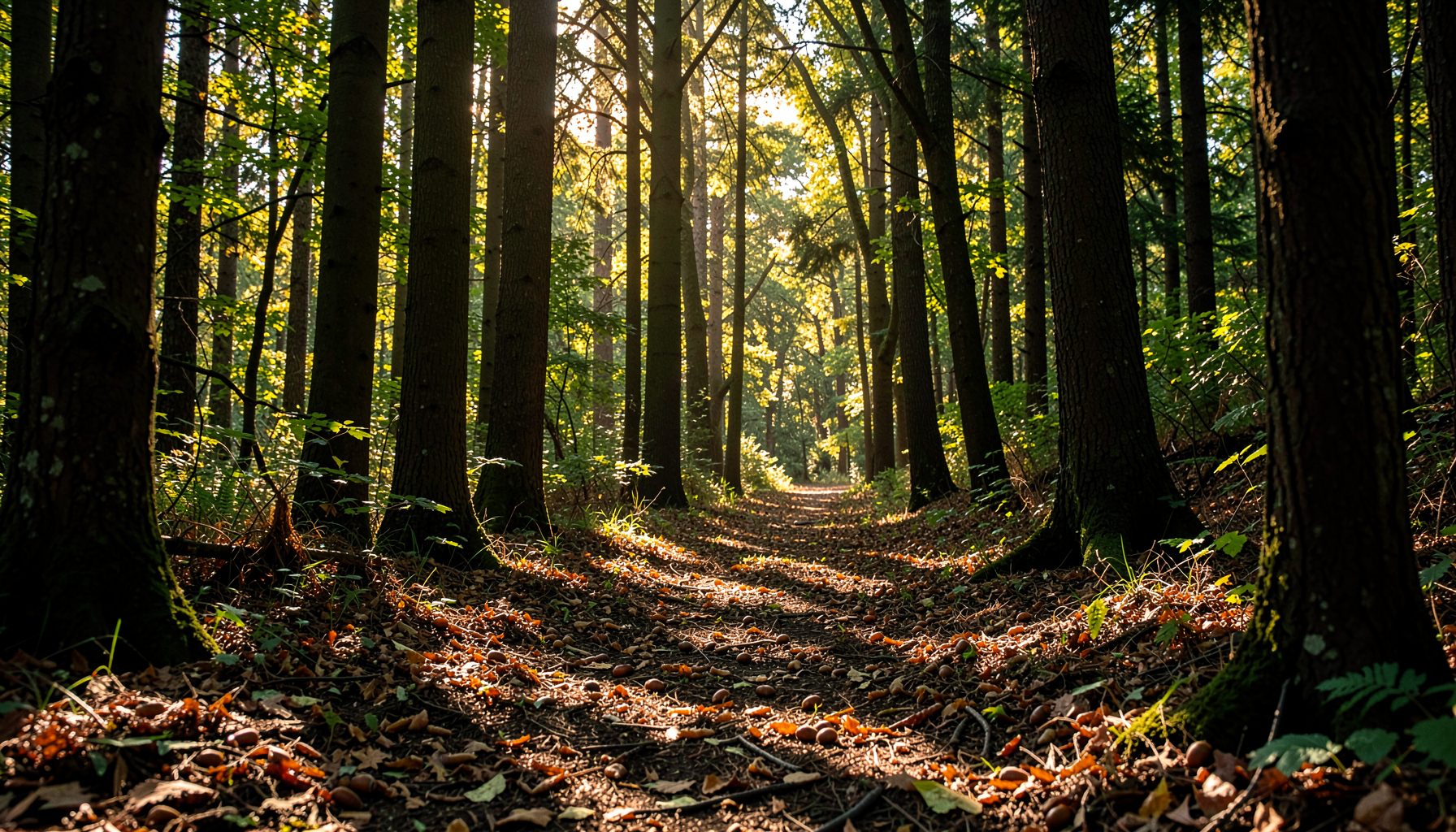
Reforestation and local climate resilience
Climate resilience is often discussed through large-scale infrastructure, emergency planning and emissions reduction. Yet some of the most effective protection begins with living systems close to home. Forests, wetlands and healthy stream corridors can cool neighbourhoods, slow floodwater and give wildlife room to adapt as weather patterns become less predictable.
Reforestation is the process of restoring trees and understorey plants where forests have been cleared, degraded or lost. Its benefits extend well beyond planting day. As vegetation matures, it improves soil structure, stores carbon, filters runoff and strengthens the natural systems that communities rely on during heatwaves, intense rain and drought.
For people across Australia, this connection is highly relevant. Melbourne’s urban heat, Sydney’s flash flooding, Brisbane’s stormwater pressures and Perth’s dry summers show how local climate risks differ from place to place. Restoring native vegetation is not a complete answer to those threats, but it is a practical form of community-based adaptation.
How native forests moderate local conditions
Trees influence temperature through shade and evapotranspiration, the process by which water moves from soil and leaves into the atmosphere. A leafy canopy can make streets, parks and creek edges more comfortable during hot weather, while vegetation reduces the amount of heat absorbed by bare soil, asphalt and building surfaces.
The cooling effect is especially valuable in Australian cities, where many households use air conditioning during summer. Strategic revegetation around waterways, public paths and urban open space can provide cooler walking routes and reduce exposure for people who may be vulnerable to extreme heat. It can also complement shade structures, reflective surfaces and water-sensitive urban design.
Native forests help regulate water as well. Roots create channels through soil, allowing rainfall to soak in rather than rush across compacted ground. Leaf litter slows the movement of water, while trunks and groundcover reduce the force of heavy rain. Along a creek, this can lower erosion and help protect banks, bridges and downstream homes.
Restoring waterways for flood and drought resilience
A streamside buffer is a living safety zone. Native trees, shrubs, grasses and fallen branches hold soil in place, absorb nutrients and trap sediment before it reaches the channel. Cleaner water benefits aquatic species and reduces the treatment burden for communities that depend on rivers and catchments.
This work matters in both wet and dry conditions. During intense rainfall, vegetated floodplains and creek corridors can slow water and spread its movement across safer areas. During dry periods, shaded waterways generally lose moisture more slowly than exposed channels, helping maintain cooler habitat for fish, frogs and other wildlife.
Growing Native focuses on collecting seeds from native hardwoods and shrubs for propagation into streamside seedlings. Its community restoration program connects volunteers with a practical part of watershed repair: gathering locally appropriate plant material that can eventually return to degraded landscapes.
Restoration must be matched to local ecology. A species suited to a wet catchment may struggle in a dry inland setting, and planting the wrong tree in the wrong location can create maintenance problems. Seed provenance, soil conditions, stream behaviour and future climate projections should guide decisions made by councils, landholders and conservation groups.
Biodiversity strengthens adaptation
A diverse forest is generally better equipped to cope with stress than a simplified stand made up of one or two species. Different plants respond differently to heat, fire, pests, disease and water shortages. A varied structure, from groundcover to canopy, creates multiple habitats and spreads ecological risk.
Biodiversity also supports the small processes that keep landscapes functioning. Native insects pollinate plants, fungi help cycle nutrients, birds disperse seeds and microorganisms contribute to healthy soil. When those relationships are restored, a landscape can recover more effectively after disturbance.
Australian restoration projects need to respect the distinct character of local ecosystems, including eucalyptus woodlands, riparian forests, coastal heath and dry sclerophyll communities. In cities such as Canberra and Adelaide, local provenance can improve the likelihood that young plants will cope with seasonal extremes. In tropical or subtropical areas around Brisbane, species selection must account for intense summer rainfall as well as heat.
Fire resilience requires careful planning rather than a simple “more trees” approach. Some landscapes need strategic breaks, open areas, appropriate understorey management and coordination with bushfire authorities. Reforestation should support ecological recovery while recognising that residents, roads and buildings require sensible risk management.
Seed collection turns participation into restoration
Seed collection gives volunteers a direct role in the early stages of reforestation. Acorns, walnuts and other native seeds contain the potential for future canopy, bank stability and habitat, but they need to be gathered responsibly. Collectors must identify trees accurately, avoid damaging branches and leave enough seed for natural regeneration and wildlife.
Seasonal collection can become a meaningful routine for families, schools, workplaces and community groups. It encourages people to notice flowering and fruiting cycles, learn local tree names and understand that forests are renewed through long ecological timelines. These activities can fit around familiar Australian habits such as weekend park visits, community gardening and local creek clean-ups.
Safe technique matters when collecting from mature trees. Volunteers can learn how to shake branches carefully, using suitable equipment and avoiding unstable ground or overhead hazards. Collection should follow landholder permission, public safety requirements and any local rules governing access to reserves.
The process also builds climate awareness. People who observe when seeds ripen, which trees produce reliably and how drought affects a harvest gain a grounded understanding of environmental change. That knowledge can improve future restoration planning and encourage broader stewardship of neighbourhood bushland.
From collected seed to living catchment
Collected material needs careful handling before it can become a healthy seedling. Seeds may require sorting, cleaning, drying, labelling and storage according to their species. Damaged or mouldy material can reduce nursery success, while poor records make it difficult to track provenance and match plants to appropriate restoration sites.
Volunteers can follow guidance on preparing seeds before sending suitable material to a participating nursery. Clear labelling should include the species, collection location and date wherever possible. This information supports quality control and helps restoration teams maintain genetic diversity.
The journey from seed to planting site may take months or years. Nurseries raise plants under controlled conditions, then land managers prepare sites, control competing weeds and monitor survival after planting. Watering may be necessary during establishment, especially in Australia’s warmer and drier regions, but long-term success depends on choosing species suited to the site rather than relying on constant irrigation.
The local market can support this work. Demand for indigenous plants is growing among councils, developers, schools and home gardeners seeking lower-water landscapes. Buying from reputable native nurseries, selecting local species and avoiding invasive ornamentals can direct household spending towards biodiversity-friendly horticulture.
Turning restoration into community resilience
Reforestation works best when it is connected to planning, maintenance and local knowledge. Councils can incorporate tree canopy targets, creek restoration and habitat corridors into urban strategies. Developers can protect existing vegetation and use water-sensitive design to reduce runoff. Schools can link seed collection with science, geography and citizenship programs.
Legislation provides part of the framework. Australia’s Environment Protection and Biodiversity Conservation Act 1999 protects matters of national environmental significance, while state and territory laws may regulate native vegetation clearing, threatened species and waterway impacts. Rules differ between jurisdictions, so landholders and volunteer groups should check with the relevant council or state agency before collecting, clearing or planting.
Restoration also needs social resilience. Projects are more likely to last when Traditional Owners, local residents, land managers and scientists are involved in planning. First Nations ecological knowledge can contribute valuable understanding of seasonal indicators, species relationships and caring for Country, with appropriate recognition and partnership.
Useful actions for households and community groups include:
- Join a local seed collection, creek-care or native planting event.
- Learn to identify several indigenous tree and shrub species in your area.
- Choose local native plants for gardens, verges and school grounds.
- Keep leaf litter and natural groundcover where they do not create a safety hazard.
- Reduce stormwater runoff with rain gardens, permeable surfaces and rainwater tanks.
- Support nurseries and projects that document seed provenance.
- Check council and state requirements before collecting or planting on public land.
A restored forest is measured over decades, but resilience benefits can begin much earlier. Shade develops as trees grow, erosion can lessen after groundcover is established, and community knowledge expands with every season of participation. Consistent care matters more than a single high-profile planting day.
A healthier Potomac watershed may be far from an Australian suburb, yet the underlying principles are widely relevant: protect catchments, use locally adapted plants, involve communities and treat forests as essential infrastructure. By collecting native seed, supporting responsible nurseries and restoring streamside vegetation, people can help turn climate adaptation into an everyday practice.
Explore a local opportunity through Growing Native, gather a group for a supervised seed activity, or begin by learning which native species belong in your catchment. Each carefully collected seed and each well-maintained planting site contributes to cooler communities, cleaner waterways and landscapes better prepared for Australia’s changing climate.