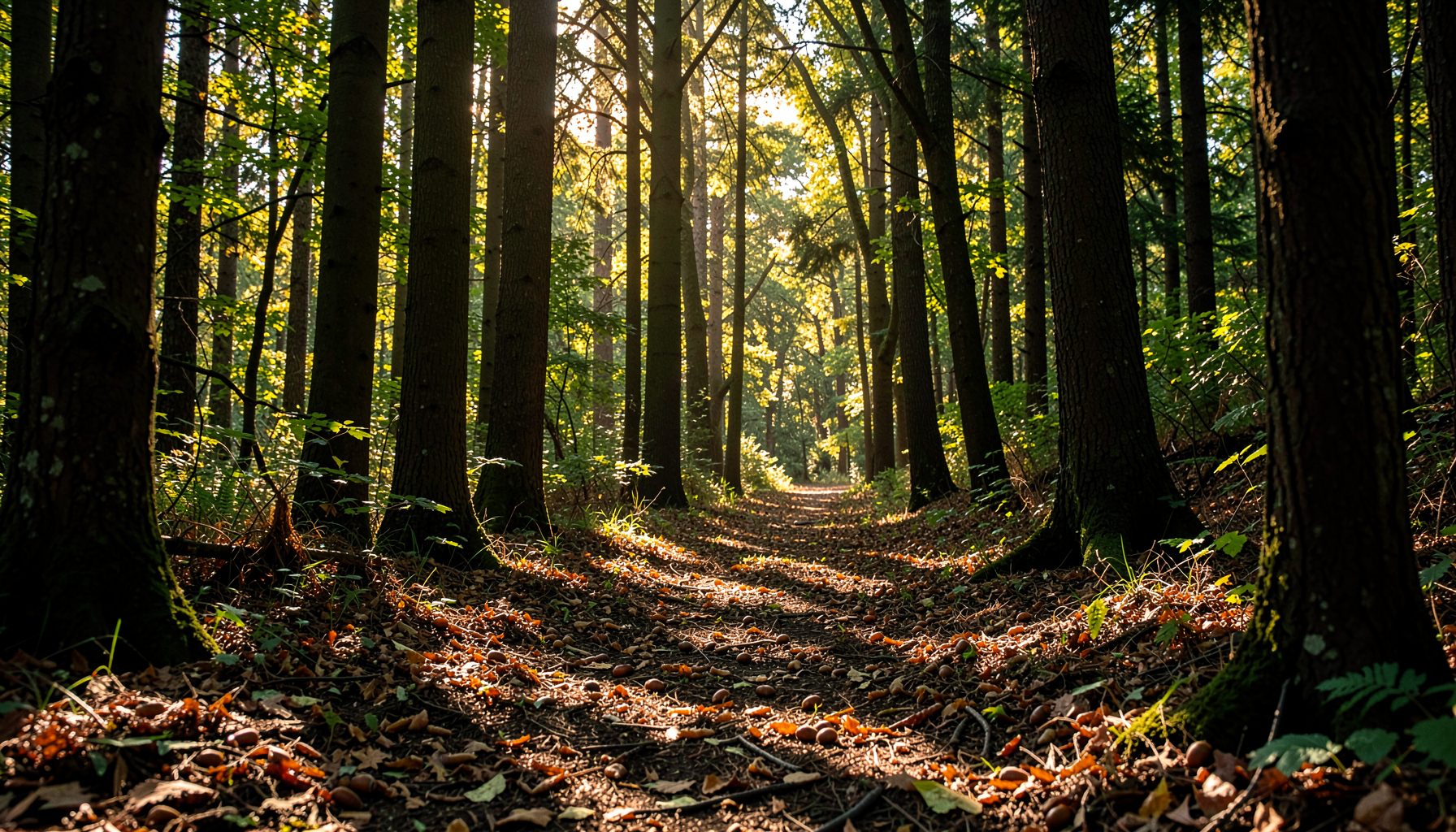
Preparing Native Seeds for Donation to Growing Forests
Collecting native seeds is a small field activity with a long reach. An acorn, walnut, or shrub seed gathered at the right time can become a streamside tree that shades water, holds soil, and provides food and shelter for wildlife across the Potomac River watershed. Careful cleaning and preparation help ensure that collected material reaches a nursery in useful condition.
Donation-ready seeds should be correctly identified, free from excess pulp and dirt, reasonably dry on the outside, and protected from heat, mold, and crushing. The goal is not to make every seed look perfect. The goal is to separate viable seed from damaged material and give healthy seed the best possible start.
Good preparation begins before the collection bag is opened at home. Keep different species separate, record where and when they were gathered, and handle seed gently throughout the process. Those simple habits make the work more efficient for volunteers and more valuable for state nurseries raising native seedlings.
Start with correct identification and records
Before cleaning, confirm what you collected. Native trees can have similar leaves, bark, fruits, and nuts, especially late in the season when leaves have fallen. Use a dependable field guide or educational resource, and keep unfamiliar material separate rather than guessing. Correct identification matters because nurseries need to know which species they are receiving and because local genetic material is valuable for restoration.
Record the species, collection date, general location, and collector or group name. If your program provides a collection form or labels, use those consistently. A brief note such as “white oak, north bank of tributary, October 12” is far more useful than an unlabeled bag of acorns.
Avoid collecting from roadsides, treated lawns, industrial areas, or places where the species may not be locally native. Do not gather seed from a single heavily producing tree if you can collect modest amounts from several healthy trees. Broader collection helps represent local genetic diversity and reduces pressure on one plant.
Seeds should be handled gently from the moment they are picked up. Do not pack wet fruit tightly into sealed plastic for long periods, since trapped moisture quickly creates conditions for fermentation and mold. If the collection must wait before cleaning, spread it in a shallow layer in a cool, shaded, well-ventilated place.
Separate healthy seed from field debris
Begin by emptying each collection bag onto clean paper, a tray, or a washable surface. Remove leaves, twigs, stones, empty husks, and unrelated seeds by hand. This first pass makes later cleaning easier and helps you notice problems that would be hidden in a crowded bag.
For acorns and similar nuts, discard pieces with large holes, leaking contents, deep cracks, soft spots, or a sour smell. Tiny surface marks do not always mean a seed is unusable, but a hole through the shell may indicate insect damage. A simple float test can sometimes help identify hollow or badly damaged nuts, though floating does not provide a perfect viability assessment. Keep sound-looking seeds for donation according to the receiving program’s instructions.
Fresh fruit from native shrubs and trees often needs different handling from dry nuts. Soft berries, fleshy fruits, and pods may contain pulp that should be removed before storage. Do not mix fleshy fruit with dry seed in the same container, and do not leave it at room temperature for extended periods.
If a species is not listed in the program’s collection guidance, set it aside and contact the program through its established process before donating. Different seeds have different maturity indicators and storage requirements. A careful pause is better than sending material that could be mistaken, spoiled, or difficult for a nursery to process.
Remove pulp without damaging the seed
Cleaning methods depend on the kind of seed. Acorns and walnuts generally need surface debris removed, while fleshy fruits may require separation of seed from pulp. For dry nuts, wipe off mud and plant fragments with a dry cloth or soft brush. If rinsing is necessary, use clean water briefly and then dry the seeds promptly in a single layer.
Never scrub aggressively, heat seeds in an oven, or use bleach, soap, or chemical cleaners. These treatments can damage the seed coat or leave residues that interfere with germination. The purpose of washing is to remove dirt and sticky material, not to sterilize the seed.
For fleshy fruits, gently mash or soak the material in clean water and separate the heavier seeds from the loosened pulp. A screen or kitchen strainer reserved for garden use can help, provided it is cleaned afterward. Work in small batches so that seeds do not sit submerged longer than necessary.
Use clean hands and tools, especially when handling wet seed. If pulp begins to ferment, smells strongly sour, or shows fuzzy growth, keep that batch away from healthy material. Follow the donation program’s guidance on whether questionable seed should be discarded or reported.
Dry, inspect, and handle each species appropriately
After cleaning, spread seeds on newspaper, kraft paper, a clean screen, or a shallow tray. Keep them out of direct sun and away from heaters. Good air circulation is important, but excessive heat can reduce viability. Turn seeds occasionally so surfaces dry evenly.
Seeds should feel clean and dry on the outside before they are packed, but many native species are not meant to be dried completely. Acorns, walnuts, and other tree seeds may lose viability if they become excessively dry. This is why species-specific directions from Growing Native or the receiving nursery should take priority over general household storage practices.
Inspect each batch again once the surface moisture is gone. Remove cracked, moldy, shriveled, insect-damaged, or unusually lightweight seeds. A few imperfect pieces can spoil a larger collection in storage, so sorting is worth the extra time. Keep accepted and rejected material in clearly separate containers.
The table below provides a practical guide for common native seed types. It is a starting point rather than a replacement for current donation instructions.
| Seed type | Cleaning approach | Signs to remove | Handling reminder |
|---|---|---|---|
| Acorns | Pick out caps, leaves, stones, and dirt; wipe or briefly rinse if needed | Large insect holes, soft areas, mold, deep cracks | Avoid prolonged drying and heat |
| Walnuts and hickories | Remove husk fragments and surface debris; wear gloves if husks stain skin | Empty-feeling shells, severe cracks, mold, strong decay odor | Keep species separate and cool |
| Dry pods | Shake or open mature pods over clean paper; remove stems and chaff | Immature, discolored, or visibly moldy seed | Do not crush small seeds during sorting |
| Fleshy fruits | Loosen pulp in clean water and rinse through a screen | Fermented, slimy, or mold-covered material | Process promptly and avoid sealed wet storage |
| Shrub berries | Separate seed from fruit tissue and label immediately | Damaged, unidentifiable, or spoiled batches | Follow species-specific nursery guidance |
Package and label the donation clearly
Use breathable paper bags, envelopes, or containers approved by the program. Avoid sealing freshly cleaned seed in airtight plastic unless the receiving organization specifically requests it. Moisture trapped inside a sealed bag can cause condensation and mold before the donation is delivered.
Write the label before filling the container so no batch is left unidentified. Include the common name and, when known, the scientific name; collection date; general location; and collector or group. Add the approximate quantity if requested. If a batch was cleaned or processed in a particular way, that note may also help nursery staff.
Keep each species and collection location separate unless the program asks for combined lots. Separation preserves useful information about local sources and prevents one spoiled batch from affecting others. Do not add food, fertilizer, mothballs, or household preservatives to the container.
Plan delivery around the program’s schedule. Seeds left in a warm vehicle or sunny porch can deteriorate quickly, even when they looked healthy at packing. If immediate drop-off is not possible, store the labeled material in the cool conditions recommended for that species and notify the receiving organization if timing changes.
Connect seed work with watershed restoration
Preparing seeds carefully is part of a larger restoration process. The eventual seedlings may be planted beside streams, where roots help stabilize banks, reduce erosion, and filter runoff before it reaches the Potomac. Forested stream corridors also moderate water temperature and create habitat for insects, fish, amphibians, and birds.
Healthy watershed work depends on many linked relationships. Beavers, for example, can change water movement, create wetland habitat, and influence forested stream conditions; learning how beavers shape streams can give volunteers useful context for the landscapes where seed collection takes place. Observing these systems helps collectors understand why native plants are gathered with care rather than treated as interchangeable landscaping material.
Collection should leave enough seed for wildlife and natural regeneration. Avoid stripping a tree or shrub completely, trampling sensitive ground, or disturbing nests and habitat. Move through the site thoughtfully, collect only what the program requests, and follow landowner or park rules.
The activity also offers an accessible way for families, schools, workplaces, and community groups to practice environmental stewardship. Children can help sort leaves and label bags, while adults can manage identification, records, and delivery. Everyone involved can see how a modest seasonal task supports future forests and cleaner water.
Make every collection morning more dependable
Preparation at home works best when the field collection was organized. Bring labeled bags, a pencil or waterproof marker, a field guide, gloves, and a way to keep species separate. Volunteers reviewing a seed collecting gear checklist can reduce forgotten supplies and avoid using containers that trap moisture.
Choose a cool part of the day when possible, and protect collected seed from rain and direct sun. Do not place heavy equipment on top of full bags. If a bag becomes damp, open it as soon as practical and spread the contents out rather than leaving everything compressed.
A small workspace at home can be made ready with paper sheets, a soft brush, a strainer, clean trays, labels, and separate bins for accepted and rejected material. Cleaning immediately after collection reduces confusion, prevents decay, and keeps field notes connected to the correct batch.
A practical routine for reliable donations
- Confirm the species and collection location before combining any material.
- Remove leaves, stones, husks, pulp, cracked seeds, mold, and obvious insect damage.
- Dry cleaned seed in a cool, shaded, well-ventilated place without using artificial heat.
- Label every container with species, date, location, and collector or group.
- Deliver promptly while following the program’s instructions for storage and drop-off.
A consistent routine also makes volunteer events easier to manage. Assign one person to identification, another to recordkeeping, and others to sorting or packaging when a group is working together. Rotate tasks so participants learn how seed quality, forest ecology, and watershed health connect.
Before delivery, inspect every package one final time. Check that labels are legible, containers are not wet, and different species have not been mixed. If you are uncertain about a batch, keep it separate and provide the relevant details to Growing Native rather than silently including it with healthy seed.
Each properly prepared donation helps move native plants from local landscapes toward future restoration sites. Gather responsibly, clean with patience, label with care, and bring your finished seed to Growing Native through the appropriate volunteer or donation channel. Your seasonal effort can become a lasting contribution to healthier forests, stronger streambanks, and cleaner Potomac watershed communities.