How Leaf Litter Helps Forest Soils Hold Moisture
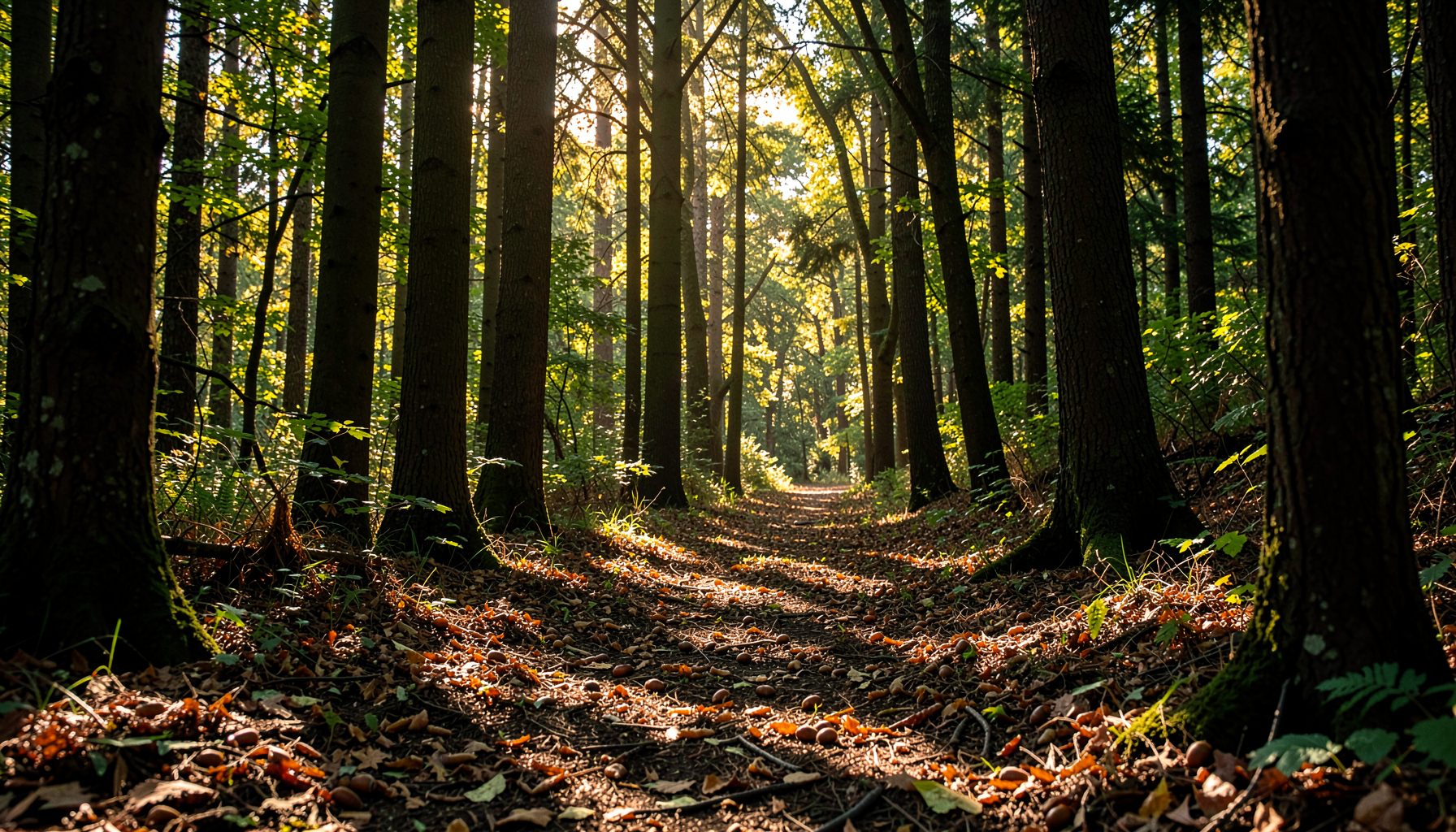
A forest floor covered with leaves is doing far more than displaying the colors of autumn. The layer of fallen leaves, bark, twigs, and partially decomposed organic matter acts as a living surface system that slows rainfall, shades the soil, and helps water remain available to plants. This connection is especially important in riparian forests, where soil moisture influences streamside trees, erosion control, and the health of nearby waterways.
Leaf litter also links seasonal cycles above ground with biological activity below ground. As fungi, bacteria, insects, and earthworms break down plant material, they create humus and improve soil structure. The result is soil that can absorb rainfall more effectively, store some of that water, and release it gradually during dry periods.
For restoration programs across the Potomac River watershed, understanding this relationship can improve decisions about native trees, planting sites, and long-term maintenance. A healthy forest floor supports the seedlings that will eventually stabilize streambanks and provide habitat for pollinators, birds, and aquatic life.
A Natural Barrier Against Water Loss
Fresh leaves form a loose, porous blanket across the ground. Before rain reaches mineral soil, some of it lands on this layer and moves slowly through the spaces between leaves. The litter reduces the force of falling raindrops, preventing them from breaking apart soil aggregates and creating a sealed surface known as a crust.
The layer also shades the ground from direct sunlight and wind. Cooler soil generally loses water more slowly through evaporation, while the irregular surface limits air movement immediately above the ground. During a hot summer, this protection can make the difference between a seedling retaining enough moisture to continue growing and a seedling becoming stressed.
Leaf litter does not retain all rainfall indefinitely. Some water drains downward, some is used by decomposers, and some eventually evaporates. Its value lies in slowing the movement of water and extending the time available for infiltration. Even a short delay can help rain enter the soil instead of flowing rapidly across a compacted or sloping surface.
How Decomposition Builds Water-Holding Soil
As leaves decompose, their structure changes from recognizable fragments into fine organic material. This material combines with mineral particles and helps create stable soil aggregates. Aggregated soil contains a mixture of small pores that hold water and larger pores that allow air and excess water to move through.
Organic matter can retain many times its weight in water, although the precise amount depends on its stage of decomposition, texture, and chemical composition. Humus behaves like a sponge at the scale of soil particles, holding moisture in spaces that roots and microorganisms can access. It also reduces the likelihood that soil will become hard and difficult for water to penetrate.
The quality of the leaf litter matters as well. Leaves with high concentrations of lignin or other slow-decomposing compounds may remain on the surface for a long time, providing durable cover. Softer, nutrient-rich leaves break down more quickly and feed soil organisms. A diverse mixture usually creates a more reliable cycle of surface protection, nutrient release, and soil carbon formation.
Native Trees Shape the Forest Floor
Tree species influence the amount, texture, and timing of leaf litter entering a forest. Oaks may contribute tough leaves that persist through much of the growing season, while other native hardwoods produce leaves that decompose more rapidly. Branches, seed husks, and small woody debris add additional layers that protect the soil and create habitat for decomposers.
Species diversity can spread litterfall across different seasons and produce a range of carbon-rich materials. This variation supports a wider community of fungi, insects, and microorganisms, each contributing to decomposition in a different way. A diverse forest floor is generally better equipped to maintain soil structure under changing temperature and rainfall patterns.
Native tree selection also has ecological value beyond moisture retention. Streamside plantings that include species suited to local conditions can support pollinators and other wildlife. Growing Native’s guide to native pollinator trees explains why riparian plant choices should account for flowering resources, habitat, and watershed function together.
| Leaf-litter feature | Effect on soil moisture | Value for restoration |
|---|---|---|
| Fresh leaves | Slows rainfall and shades the soil | Reduces evaporation and surface erosion |
| Partially decomposed litter | Holds water around soil particles | Supports seedlings and soil organisms |
| Humus-rich organic matter | Improves aggregation and water storage | Builds resilient, absorbent soil |
| Twigs and woody debris | Creates roughness and protected spaces | Reduces runoff and provides habitat |
| Diverse litter from native trees | Varies decomposition rates and nutrients | Sustains long-term forest-floor function |
Rainfall, Runoff, And Streamside Stability
In a forest without a protective litter layer, intense rain can strike bare soil directly. The impact dislodges particles, fills soil pores with sediment, and encourages water to move downhill as runoff. When this runoff reaches a stream, it may carry sediment and nutrients that reduce water clarity and disturb aquatic habitat.
Leaf litter slows that sequence by increasing surface roughness. Water must move around leaves, twigs, roots, and small depressions rather than traveling in a smooth sheet. Some rainfall infiltrates immediately, while the rest moves more slowly toward lower areas. The forest floor therefore helps moderate the speed and volume of water entering a stream.
This function is particularly useful on streambanks and floodplains. Moisture retained in the soil can support deep-rooted vegetation, while roots reinforce the soil from below. Above ground, litter protects the surface from raindrop impact. Together, roots and organic cover reduce erosion and help maintain the physical stability of waterways.
Acorn-producing trees can play an important role in these restoration systems. The timing and abundance of seed crops affect when nurseries receive planting material, and the differences described in this discussion of red and white oaks can help volunteers and restoration planners understand why collecting from several native species is valuable.
When Leaf Litter Needs Careful Management
A thick natural litter layer is usually beneficial, but conditions determine whether it functions well. In compacted soil, a large mass of wet leaves can form a dense mat that limits air exchange and slows infiltration. Invasive plants may also use the litter layer as a favorable growing medium, especially where native groundcover has been disturbed.
Removing all leaves is rarely a good solution in a forest or restoration planting. It exposes soil, increases evaporation, and removes habitat for decomposers and overwintering insects. Instead, management should focus on identifying the cause of poor drainage or excessive buildup. Reducing foot traffic, loosening compacted soil carefully, controlling invasive plants, and protecting young trees can often address the underlying issue.
Newly planted seedlings may need limited maintenance during their first years. A loose layer of leaves or appropriate organic mulch can conserve moisture, but it should not be piled against trunks. Keeping the base of a tree open reduces the risk of rot, pest problems, and rodent damage while preserving moisture protection across the surrounding soil.
Land managers should also observe the forest floor through changing weather. If rainfall runs off quickly, the soil surface may be compacted or lacking organic matter. If water remains ponded for long periods, drainage may be restricted. These observations help distinguish a healthy moisture-retention system from a layer that needs gentle adjustment.
Practical Ways To Protect Soil Moisture
Restoration volunteers, schools, homeowners, and community groups can support the water cycle through simple actions. The goal is to keep soil covered, favor native vegetation, and avoid practices that interrupt decomposition or compact the ground.
Useful approaches include:
- Leave healthy leaf litter in place beneath established trees whenever safety and access allow.
- Plant diverse native trees and shrubs suited to local soil, light, and moisture conditions.
- Keep vehicles and heavy equipment away from streambanks and planting areas.
- Use a loose organic layer around young seedlings, leaving space around each trunk.
- Watch for invasive plants that spread through disturbed soil and compete for water.
Seed collection also contributes to the future forest floor. Native hardwoods grown from locally appropriate seed can develop into trees that supply leaves, roots, shade, and woody debris for decades. When volunteers collect responsibly, they support a cycle that begins with seasonal seeds and ends with healthier soils and waterways.
The most effective restoration work treats leaf litter as part of an interconnected system rather than as yard waste. Trees create litter, litter protects soil, soil supports roots, and roots help regulate water movement. Each part strengthens the others over time.
Build A Living Watershed Legacy
Healthy soil moisture retention begins with choices made at ground level: protecting leaves, limiting disturbance, and planting native species that belong in the local ecosystem. These actions may appear modest, yet they accumulate across forests, parks, school grounds, and stream corridors. Together, they create cooler soils, steadier infiltration, stronger seedlings, and cleaner water.
Growing Native connects volunteers with the practical work behind long-term watershed restoration, from collecting acorns and walnuts to supporting nursery-grown streamside seedlings. Individuals, families, classrooms, workplaces, and community groups can register to volunteer and help restore the native forests that keep the Potomac watershed resilient.
A protected forest floor is an investment in every season ahead. By caring for leaf litter and the trees that produce it, communities help soil hold water, streams withstand runoff, and future forests take root.